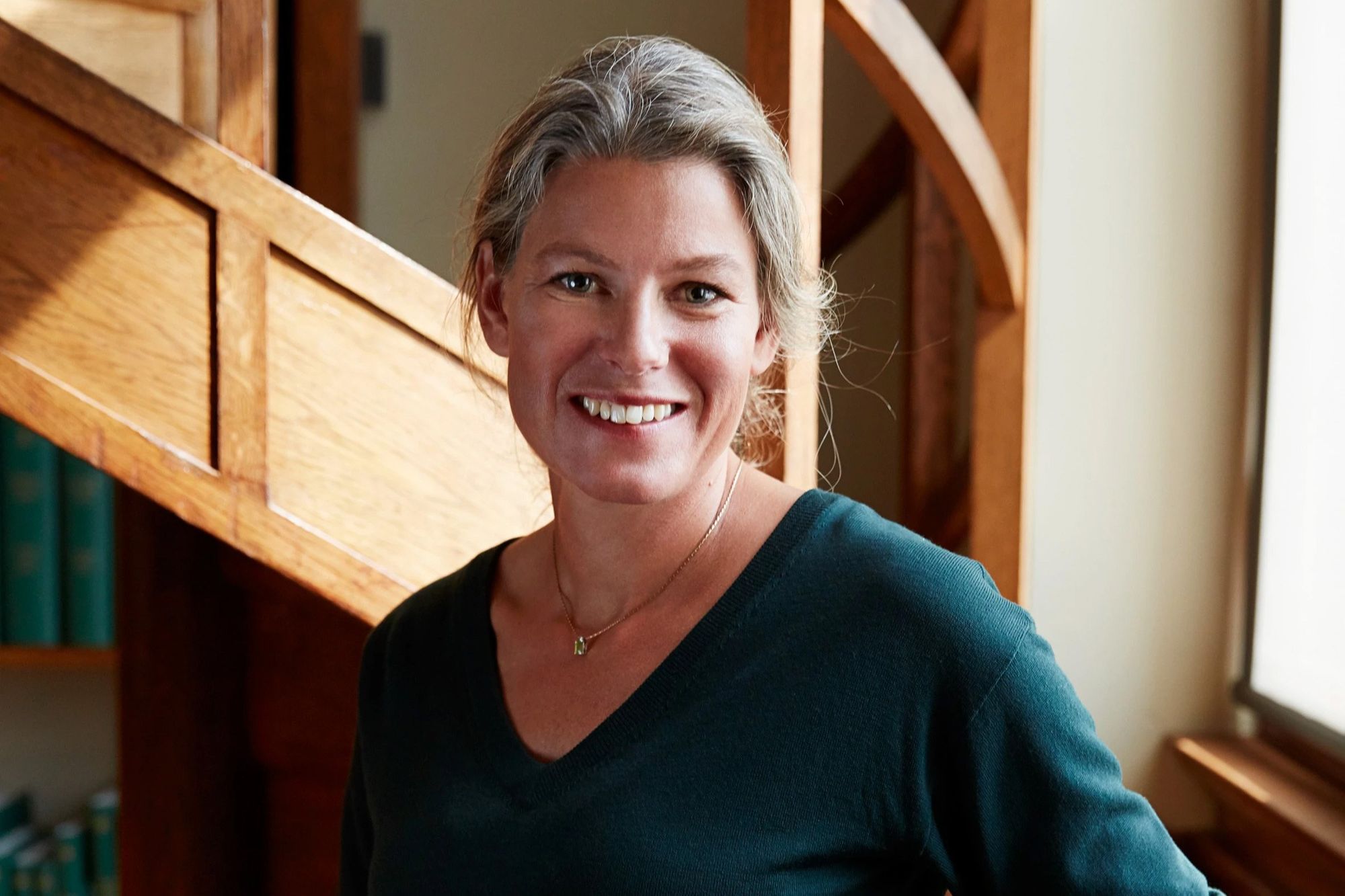
The Swedish designer and creative director Emma Olbers is on a mission – to design good products. Products that are good from all aspects, including being good for our planet. As one of the Swedish pioneers in sustainable design she is renowned as one of the furniture industry’s climate crusaders, an effort for which she has been awarded several prestigious awards.
”I believe that sustainability and product lifecycles are key concerns and core values that I strives to incorporate in my work. Those concerns can translate into using recyclable and reusable components, thinking carefully of which materials to use and of course avoiding the use of harmful substances in production altogether. An ultimate vision is to be able to create products and furniture that, after a long and rich furniture life, can go directly on the compost heap when they are scrapped”, she explains.
Where does it come from?
Born and raised in the Swedish countryside, Emma has a close connection to the agricultural tradition and the connection between natural resources and our everyday lives.
”I’ve always been environmental aware, but after attending a sustainability course at the Sustainable Fashion Academy in 2008, my commitment increased, and I started to work methodically in all my projects. It has been kind of a knowledge journey, trying to figure out facts and learning along the way. Concentration and determination needed”, she concludes.
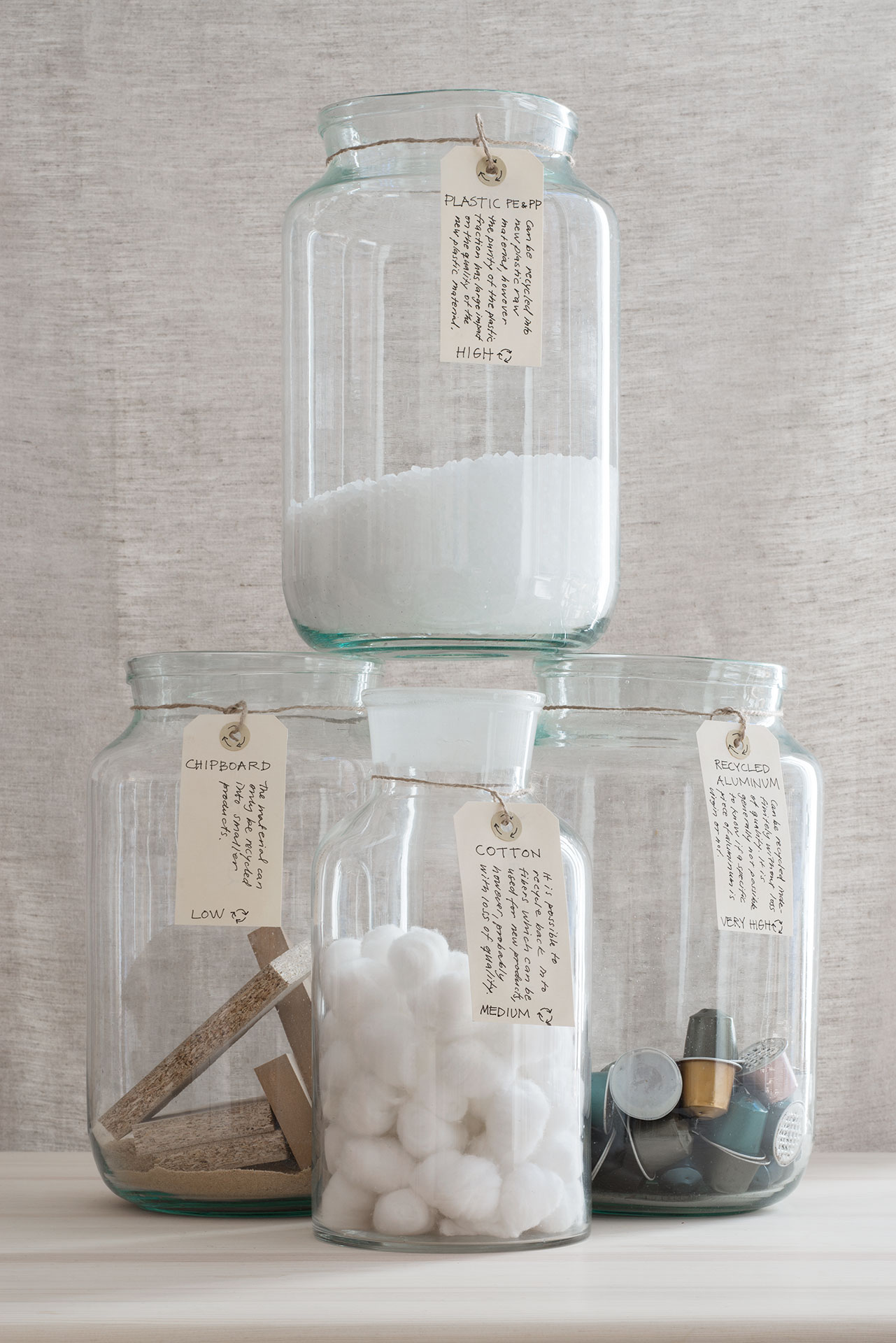
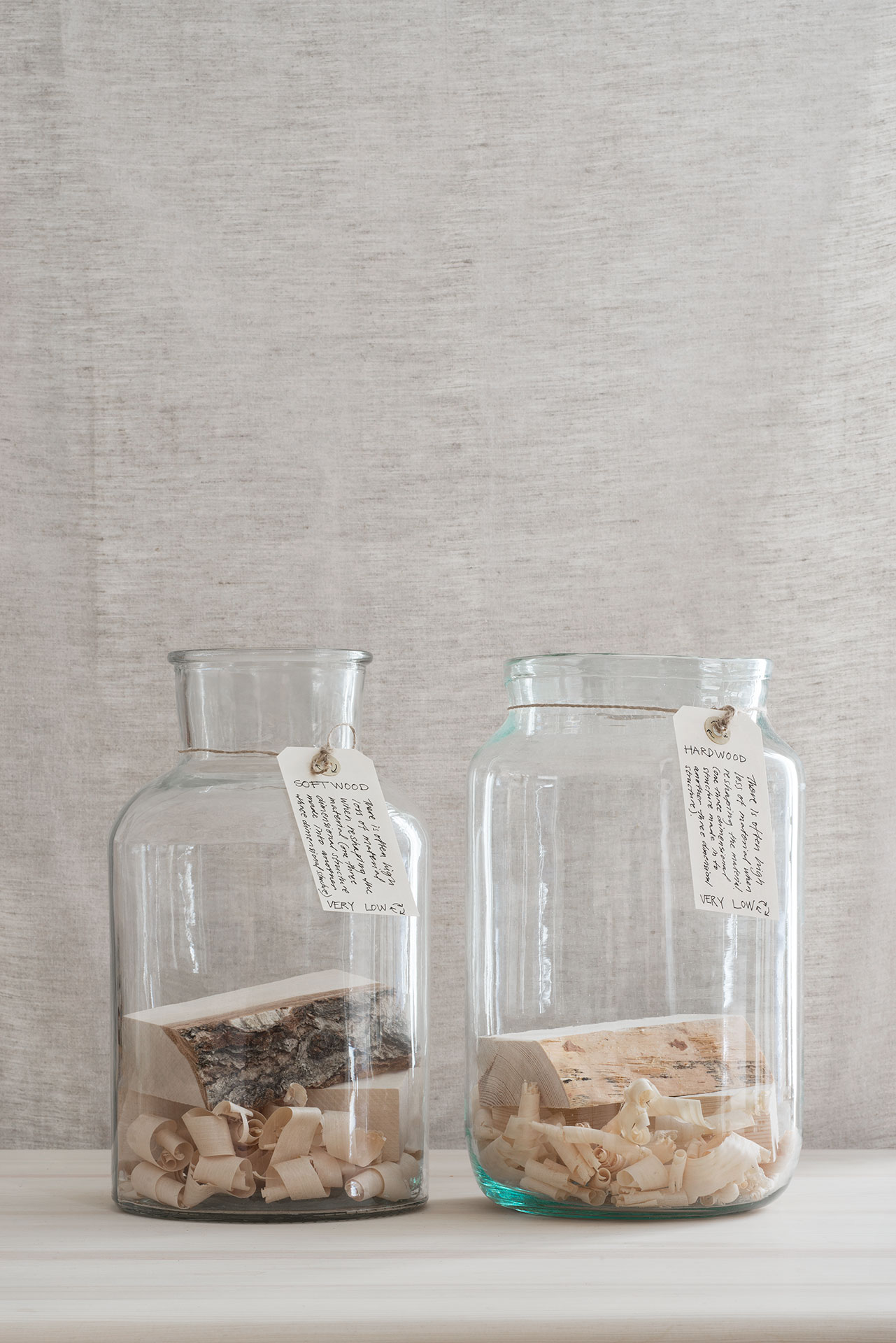
In 2015, while preparing the exhibition, ”Where does it come from, where does it go”, Emma decided to explore the different materials she is working with.
”It was planned as a trend exhibition, but I saw the possibility to share knowledge about how good furniture can contribute to sustainability and a better environment. I decided to team up with the Swedish Environmental Research Institute, IVL, and they helped me to do a life cycle analysis on the materials in my toolbox and to calculate and rank them according to their emissions of CO2e/kg material.”
While working with the exhibition, Emma learned that the most important we can do for the climate is to keep the carbon dioxide equivalents low. She decided to commit to the UN Paris Climate Summit’s goal to limit the global temperature rise to 1.5°C in her future work.
Bamboo lighting
”I discovered that certain wood, like birch and other leaf trees, had a less environmental impact. And bamboo, for example, turned out to be a positive material. When designing new products, I strive to use this knowledge, choosing materials that help minimize the furniture’s CO2 footprint. If I have to work with a material with a not so positive ranking, I make sure to use a very small amount. Actually, minimizing the quantity of material is important, no matter what kind of material you work with.”
Compared to lighting – where a great part of the environmental impact is related to the luminaire’s energy consumption while lit, furniture has its greatest environmental impact at the beginning and at the end of its lifespan. The choice of material is crucial, Emma states.
”From the perspective of being a designer, choosing the right materials and ensuring thoughtful production play a big part.”
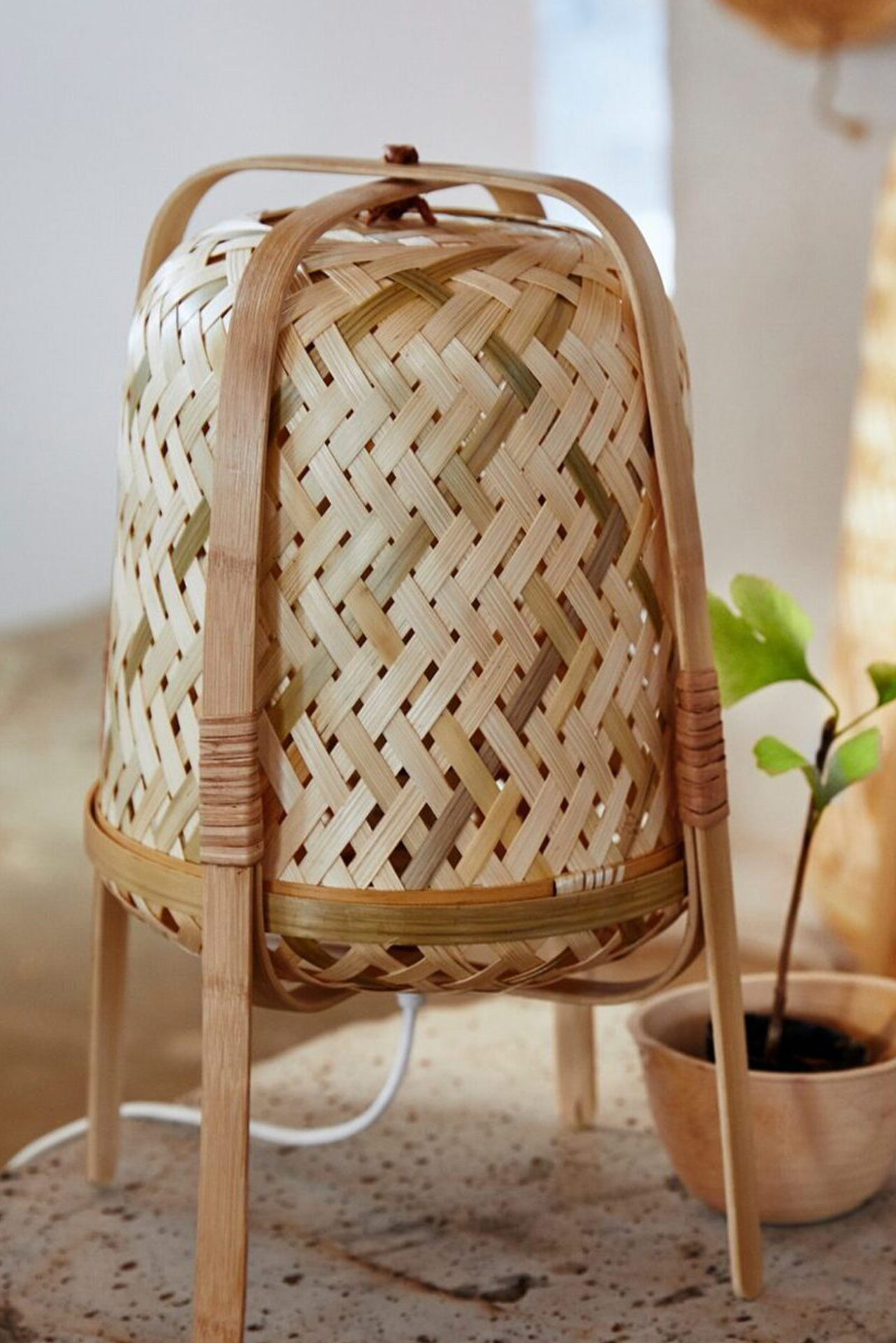
For IKEA, Emma chose to design a new luminaire out of bamboo.
”When it comes to lighting, I think it is easy to just focus on the energy consumption, but of course, the body material also has a great impact. New technology also opens up for new ways to design lighting – not only regarding energy efficiency, but also when it comes to materials and production processes.”
 "I’ve always been backed by my customers and architects – now I experience that we also get more feedback from consumers. There is definitely a new awareness in the society." Emma Olbers, desginer and creative director
A national heritage
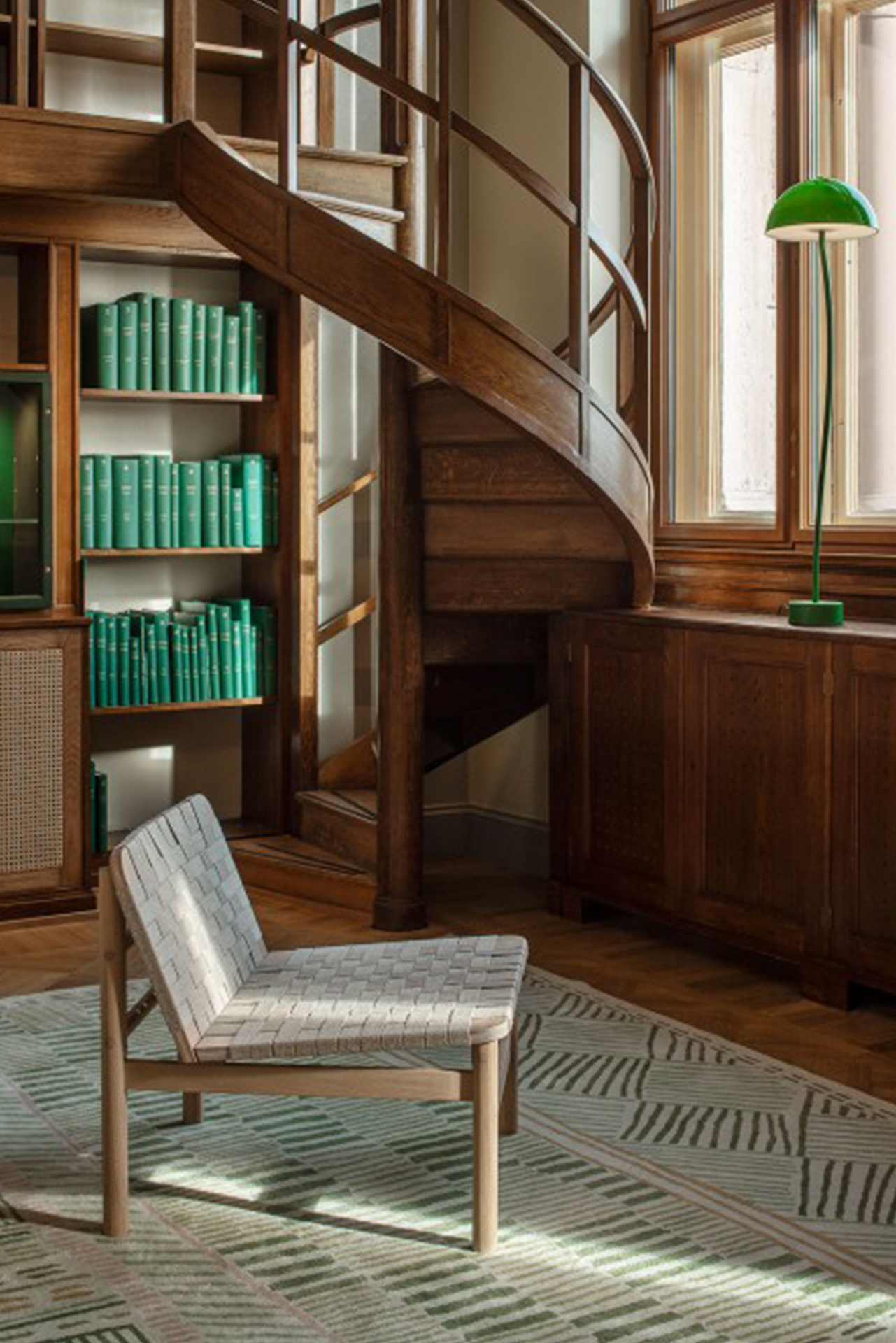
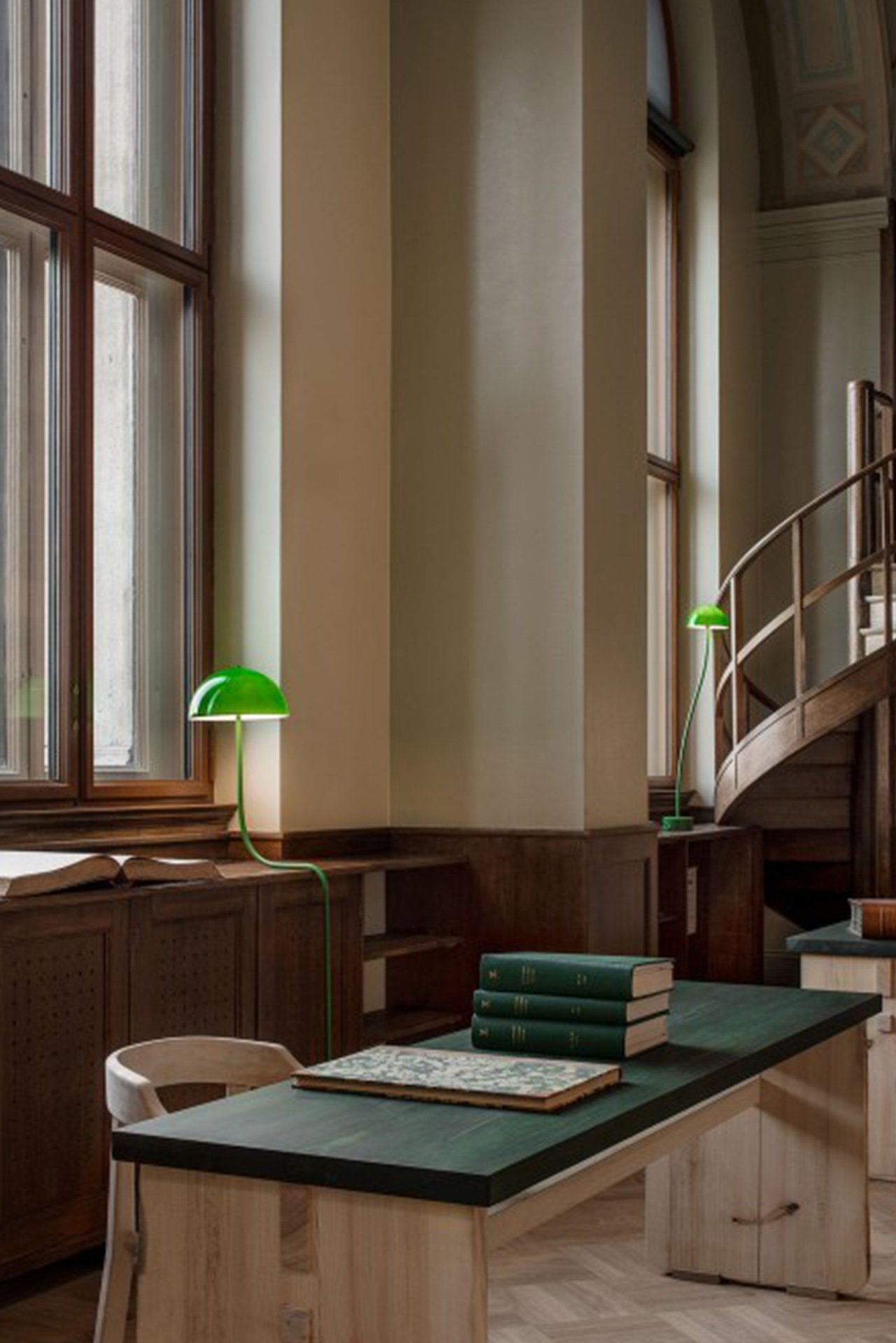
Emma’s methodology has also characterized one of her latest projects; redesigning the old library at the newly refurbished Swedish National Museum. A national heritage that now has been carefully refined with Emma’s contemporary Scandinavian design. Sustainability has run like a red thread throughout the project. Emma chose to use wooden materials with low CO2 footprints for the different chairs, and the seats were produced in fast growing climate positive hemp and seaweed. Carpets were produced in forest-based cellulose.
”As the library is a public environment, I once again had the opportunity to share the knowledge about different materials, their effects on the climate and how different surface treatments can be used to make the materials age beautifully. Using materials such as birch, and hemp and seaweed instead of leather in the seats helped us reduce CO2 emissions 300 times. Considering these chairs have a lifespan of 30 years it really makes a difference.”
Thoughts into action
Over the years Emma has been working with a number of different furniture producers – from multinationals such as IKEA, to small Swedish premium brands. From the start, she has experienced a positive attitude towards her sustainability initiative.
”I’ve always been backed by my customers and architects – now I experience that we also get more feedback from consumers. There is definitely a new awareness in the society and personally I think that there’s been an important change of attitude the last year. The impact of Swedish environmental influencer Greta Thunberg is a great example of this.”
It also seems like people are taking their thoughts into action.
”Buying second hand and mixing old furniture with new is a trend, as is investing in high quality furniture that has a long lifespan and can be inherited by generations. Personally, I love the thought of reusing old quality design furniture, myself I have some really nice 1960’s chairs in my office.”
This kind of long-term thinking can be applied on other industries.
”The fashion industry has started to reinvent itself, developing more sustainable solutions instead of suggesting that the customer should change the entire wardrobe four times a year. Swedish brand Filippa K, for example, has launched a Basics collection with classic basic items that will stand the wear of the eye and the everyday life for several seasons. The garments are produced in recycled or renewable materials.”
What to ask for
As a customer – what’s the most important requirement to set when investing in new interior design?
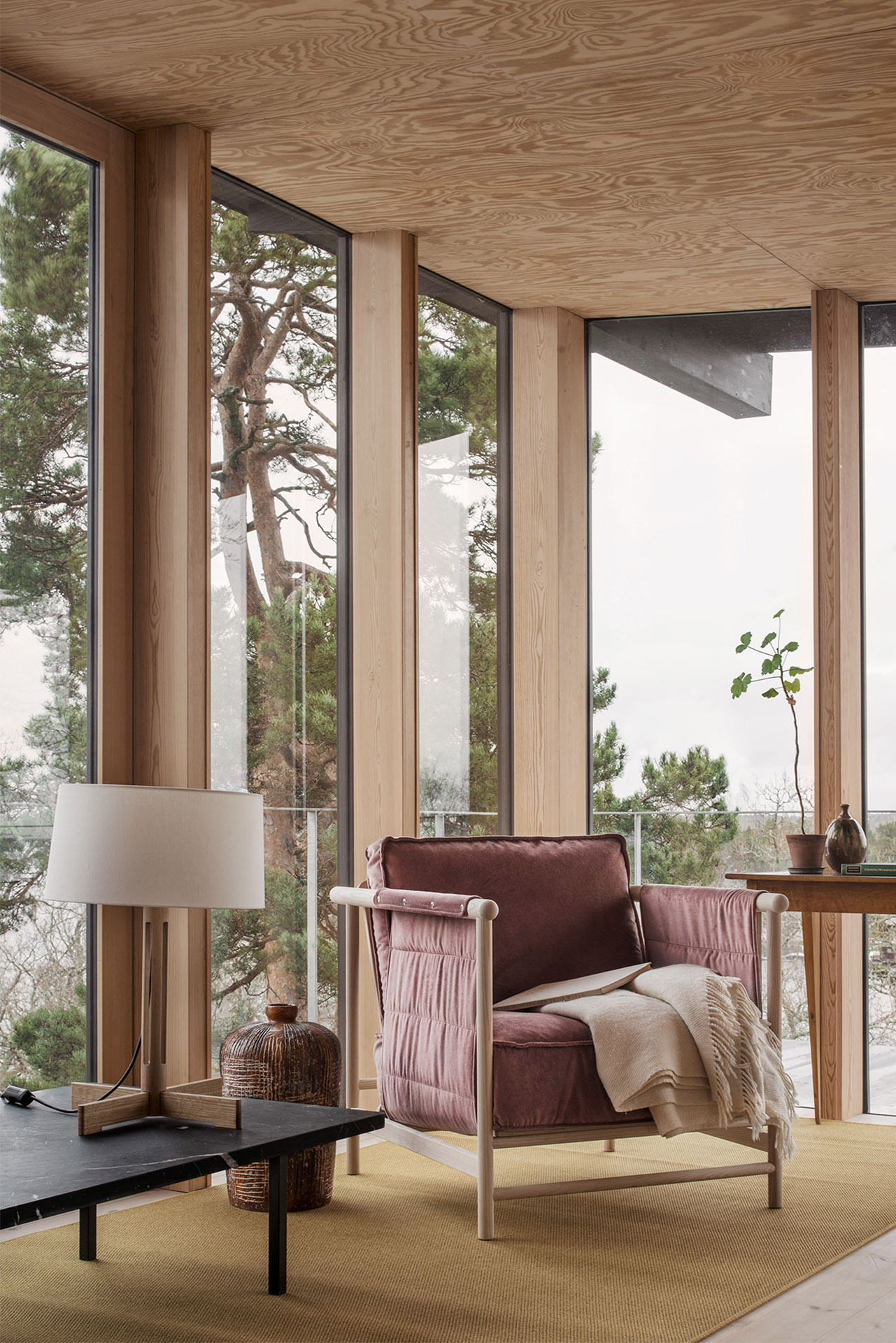
”No matter furniture or lighting, I think that the first step is to take the question seriously – and as said before, material is the key. When choosing furniture, the material stands for up to 50 percent of the environmental impact – I’d recommend you to take a look at the material index. Look for plant-based material like wood, or for recycled materials. Today many companies share this kind of information on their websites. Choose furniture with sustainable surface treatments that is easy to maintain and make the furniture age with pride. Ask the producer where the product is produced and if the energy used in the production facility is renewable. If there is a life cycle analysis available for the product it is a sign that the producer has made an effort.”
Relaterade nyheter

När materialet spelar roll – Wrapped sätter hållbar belysning i ett nytt ljus
I en värld där varje gram material och varje gram koldioxid räknas är Wrapped inte bara en armatur, utan ett ställningstagande. Wrapped är Fagerhults mest hållbara armatur hittills, och det är ingen tillfällighet. Varje detalj, varje beslut och varje material har valts av en anledning. Hållbarhetsarbete börjar ofta med en enkel fråga: Vad är produkten gjord av? För Wrapped är svaret en trio av material som vart och ett bär på sin egen historia om miljöpåverkan. Solid board: en kär gammal vän Första gången vi på Fagerhult kom i kontakt med Solid board var 2021 i samband med lanseringen av Multilume Re:Think. För Wrapped har vi dock tagit det ett steg längre. Materialet består av en trelagerskonstruktion med en 100 % återvunnen kärna, ett förnybart FSC-certifierat övre skikt och en tunn skyddande plastfilm. Allt som allt är 65 % av materialet återvunnet, och det har 89 % lägre koldioxidutsläpp än jungfruligt extruderat aluminium. Bildgalleri: Solid board Wrapped tillverkas av ekologisk Solid board, återvunnet aluminium och återvunnen plast från konsumentledet. Ett nytt sätt att se på plast Plast är ofta ett omdebatterat material i hållbarhetssammanhang. Det är dock skillnad på plast och plast. I Wrapped används återvunnen plast från konsumentledet. Den typ av plast som har levt ett tidigare liv, kanske som schampooflaska eller livsmedelsbehållare. Postindustriell plast är en annan sak eftersom den aldrig har funnits på butikshyllan. Citat: Josefin Carlsson Aluminium med ett förflutet Wrapped innehåller två strukturella komponenter som tillverkas av 100 % återvunnet aluminium från konsumentledet. Detta material är också en del av en cirkulär infrastruktur och kan faktiskt ha varit en del av en Notor-armatur en gång i tiden. Jämfört med jungfruligt aluminium minskar utsläppen med 83 %. Mindre resurskrävande design som håller länge Hållbarhet handlar dock inte bara om vad vi använder, utan om hur mycket. Med sina 900 mm är Wrapped kortare än en konventionell armatur på 1 200 mm. Den mindre storleken minskar klimatpåverkan med 25 %, utan att armaturens ljusprestanda försämras. Josefin Carlsson jämför produkters klimatpåverkan i Fagerhults Experience Centre i Habo. För att förstå effekten av materialvalen i Wrapped kan vi titta på var resan började. 2021 hade Notor 65 – som tillverkas av jungfruligt aluminium – en klimatpåverkan på 34 kg koldioxidekvivalenter. För 2024 års version, som bestod av 75 % återvunnen aluminium, hade siffran minskat till 25 kg koldioxidekvivalenter. Idag landar Wrapped på ca 12 kg koldioxidekvivalenter. – Det är en tredjedel av den ursprungliga Notor 65-armaturen och hälften av den nuvarande versionen. En tyst revolution, mätt i kilo koldioxidekvivalenter, säger Josefin Carlsson. Efter sin långa användningstid (uppskattningsvis 100 000 timmar) är Wrapped redo för en lika hållbar utfasning. Tack vare sin design är armaturen enkel att ta isär, och alla material kan återvinnas och förberedas för nästa kapitel i den cirkulära ekonomin.
Fagerhults vårdrumspaneler är godkända för Medical Device Regulation
Fagerhults vårdrumspaneler är nu godkända för den nya medicintekniska förordningen MDR. ”Vi ser nyttan av att våra kunder redan nu kan erbjudas produkter som är anpassade för framtida krav,” säger Lars Handberg som är teknisk produktchef för medicinska försörjningsenheter. Det gamla medicintekniska direktivet MDD, Medical Device Directive, har ersatts med nya förordningen Medical Device Regulation, förkortat MDR. Övergången bland leverantörer måste ha skett senast den 31 december 2028. Fagerhult börjar leverera sina vårdrumspaneler enligt MDR redan nu. ”Fagerhult påbörjade tidigt arbetet med att säkerställa dokumentation och processer enligt den nya förordningen MDR. Följden är att Fagerhults vårdrumspaneler redan nu uppfyller MDR 2017/745 artikel 22”, säger Lars Handberg. Img Som en konsekvens av detta utgår den klassiska CE-märkningen. Anledningen är att vårdrumspanelerna enligt förordningen – i det fall man väljer att följa artikel 22, modulsammansatta produkter – inte ska vara försedda med ytterligare CE-märke, (artikel 22, punkt 5) eftersom ingående komponenter redan är CE-märkta. ”Det här är inget som påverkar produktens funktionalitet eller säkerhet utan är en följd av lagskrivningen. Fagerhults vårdrumspaneler följer produktstandarden och är lika säkra som tidigare. Däremot kan det vara bra att känna till, om någon skulle reagera på att CE-märkningen inte längre sitter med på de nya produkter som levereras.”, säger Lars Handberg.