Can you really make money on sustainability?
“Of course! Some of the world’s most innovative companies make sustainability a central part of their strategy. And not because they’re paragons of virtue. They’re just being sensible rather than short-sighted.”
Per Grankvist is a trends analyst, writer and lecturer. He’s passionate about some of the key issues of our time: sustainability, ethics and social commitment at the private, political and professional levels. Viewing sustainability as a common-sense issue instead of a matter of policy and legislation makes it much easier to see what needs to be done and how to do it.
“We need to get away from all these silly abbreviations – CSR, ESG, GRI. They may sound impressive, but mostly they’re just confusing. If we want people and companies to understand what sustainability is all about, we need to explain it in a way that even my old mum would understand,” Grankvist says.
At the core it’s just plain common sense. It’s about getting back to how we used to act – up until around 100 years ago. It’s about conserving resources.
“We need to find a long-term sustainable way to take care of one another and our planet so it can support all of us. Sustainable development is about being able to make free choices now without robbing our children and grandchildren of that same opportunity.”
Conserving resources is everyone’s business. It’s something we’re all capable of, regardless of nationality or culture. Every time we use nature’s resources wisely, we save money. It’s about being sensible rather than short-sighted.
“Look at it this way: it’s great to have lights in the bathroom, but it’s wasteful to leave them on when you’re not there. So why not have lights controlled by motion sensors? That conserves your resources and saves money.”
Making money on sustainability is an abstract concept that seems hard to grasp. But making money on resources – physical and human – is easy. Every company wants to make money; that’s why they exist.
“Corporations are global, undemocratic organisations that are ruled by money. But consumers can make them listen through their buying power. When customers vote with their wallets, things start happening,” Grankvist says.
He puts the case of a certain global sports shoe manufacturer as an example. About 15 years ago, this company got into hot water when it emerged that their Indonesian supplier used child labour. Customers were not happy and started a boycott.
“It could have been one of the most ineffectual boycotts in history, but because the campaign went viral in the new social media, the company’s sales took a substantial hit. That made them get to grips with the issues in their supply chain.”
It’s a common misconception that prioritising sustainability is something companies do out of the goodness of their hearts.
“In much of northern Europe, particularly Scandinavia, we have a somewhat naive view of sustainability work. That you do it because it’s the right thing to do. Perhaps it’s a part of our Lutheran heritage, striving to be virtuous for virtue’s sake. But sensible companies see it as a way to make money.”
Grankvist describes how an international mining company brought that message home to him. “I met their marketing manager in New York, and she told me about their successful project to reduce the number of deaths in their mines. A very noble and worthy cause, I thought in my typical Swedish mindset. However, I soon felt foolish when she explained the company’s motivation: Digging a body out of the rubble takes days and costs a lot of money in terms of lost production time and unused equipment.”
Another example is an oil company replacing its pipelines to reduce the risk of leakage. Oil is simply too expensive to be leaked onto the tundra. The polar bears’ welfare is just an added bonus.
“If it’s possible to conserve resources whilst avoiding poisoning the world and still come in on budget – then of course we’ll do it!”
The US office furniture manufacturer Steelcase became a pioneer in its sector when it decided to clean up its textile dyes.
“They analysed every substance and slashed the list from 800 dyes to just 34 that were all environmentally defensible. As I recall, they were even edible, and still included every colour of the rainbow. They also consulted one of those famous Swiss analytical institutes and found that the local watercourses get less polluted when the dye process occurs upstream rather than downstream. Very smart!”
There are loads of examples like this. IKEA, famed for its flatpack furniture, switched to lightweight recyclable cardboard pallets instead of wooden ones, saving valuable volume and weight in transit. Then there was UPS, which redrew its delivery routes in New York so that its vans only make right turns.
“By eliminating left turns, you avoid idling at red lights, which saves time and minimises exhaust fumes. Not only can they deliver more parcels, they also save big money on fuel. So stop looking for ‘sustainability’ and ‘profitability’ solutions – if you look at resources instead, you’ll find all three!”
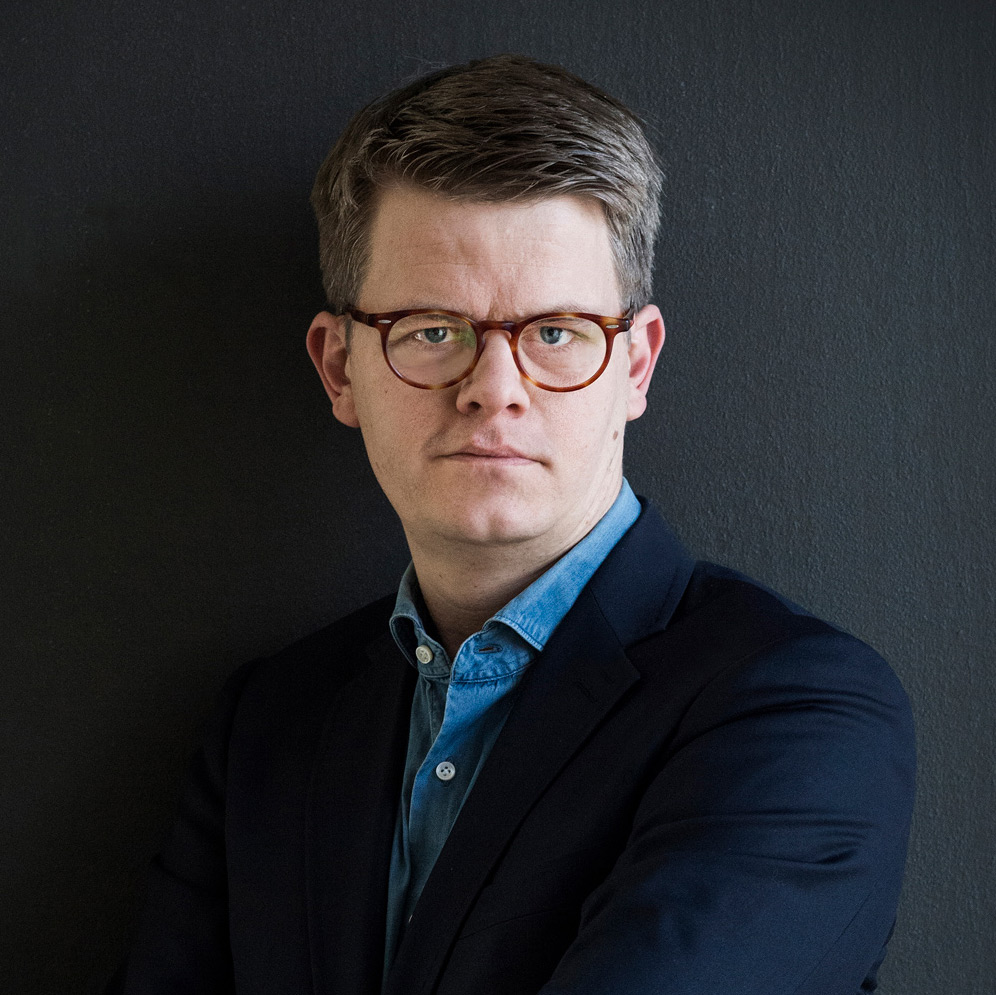 “If we want people and companies to understand what sustainability is all about, we need to explain it in a way that even my old mum would understand.” Per Grankvist, Swedish trends analyst specialising in sustainability issues
Sensible rather than short-sighted thinking has even become a key parameter of stock market analysis. Can the company turn a profit while conserving resources? Can it deliver what the customers want? Does it accept its social responsibility? If the answer is yes, the recommendation is: Buy! And if not – Sell!
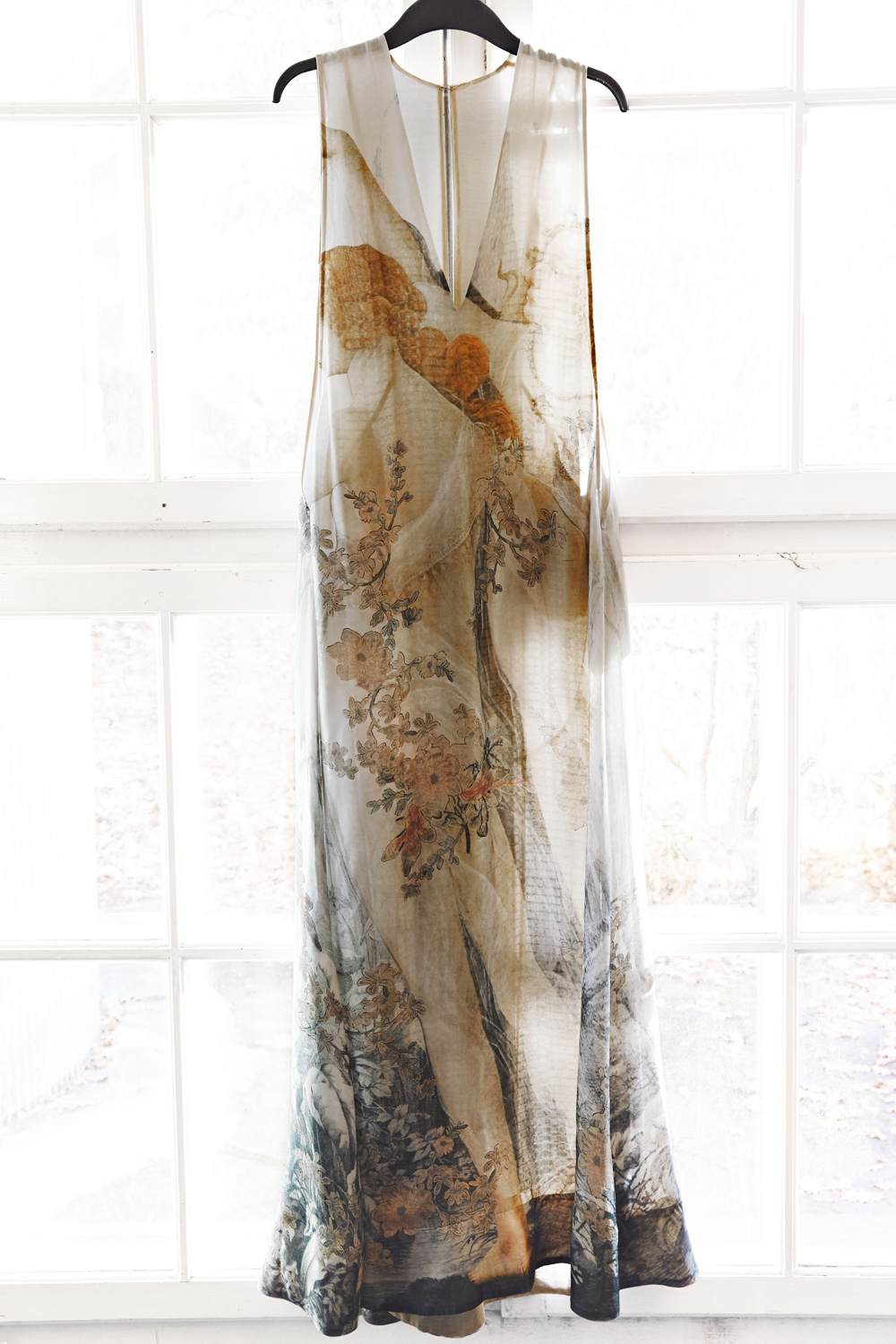
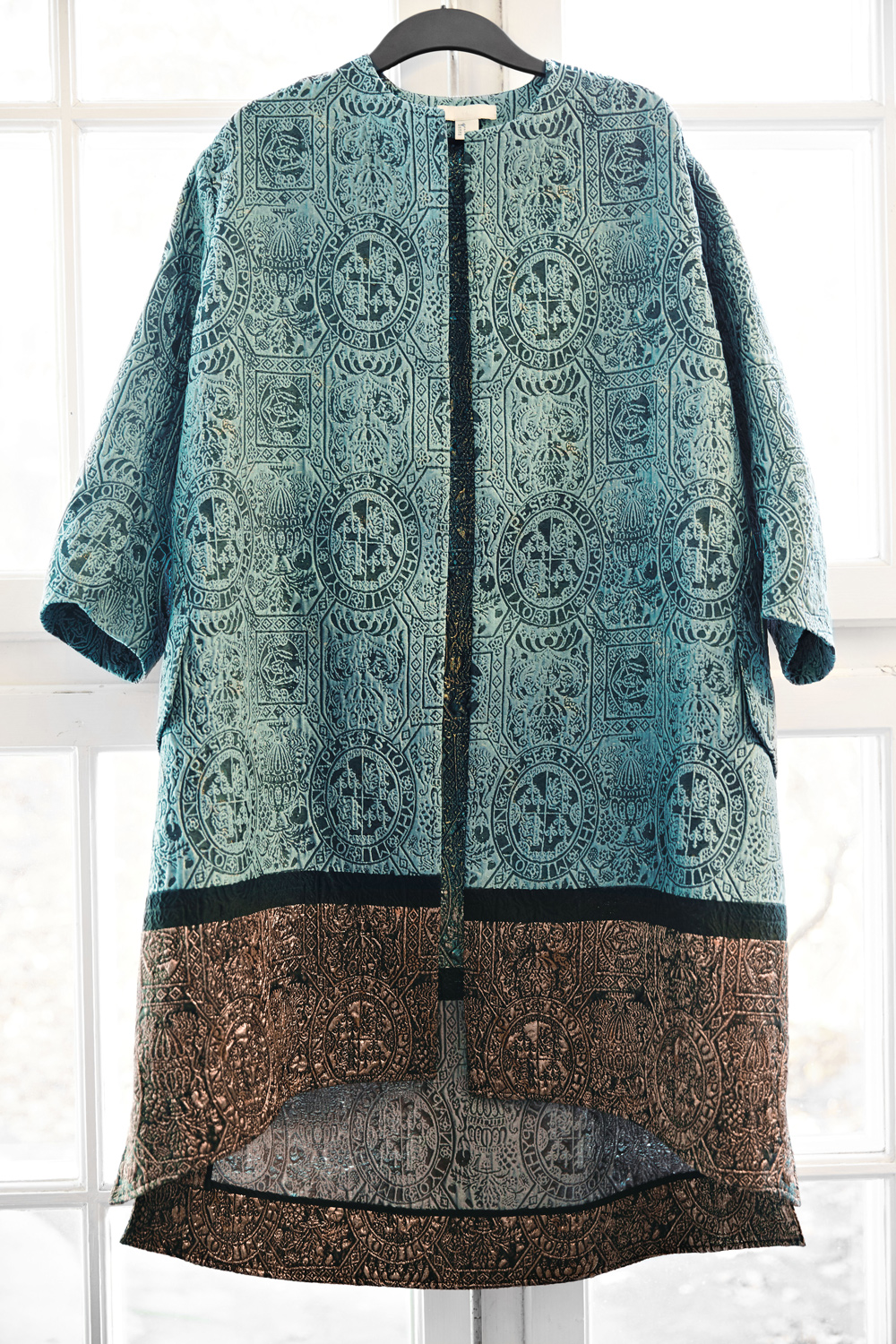
Sustainability has become a competitive advantage, an opportunity to meet the market’s demand in the long term. One company that embraced sustainability as an important part of its brand was the Swedish fashion giant H&M. With its sustainable Conscious Collection, H&M established itself as one of the most progressive fashion companies in the market. Film stars, royalty and ordinary people are all clamouring to wear the Conscious Collection.
“Instead of overworked employees slaving in sweatshops, which is bound to negatively impact product quality, H&M ensure good working conditions from the start. The company learned from its previous mistakes. They changed their procedures and did it right. At first they just focused on having a sustainable collection – they forgot about being a fashion company. The trick, of course, was to combine high fashion with sustainable production. That’s when they hit the jackpot.”
Diversity is a much-vaunted word in companies’ CSR reports – but even this is all about resource management.
“It’s easy to reduce diversity to a focus on gender, ethnicity or age. But really, it’s about making the most of all the resources the company has. Consider language. Language is a unique resource. A company that can approach its customers in their own language will have a huge advantage in the global economy. At your local IKEA store, every employee wears a name badge with little flags indicating what languages they speak. It’s a lot easier to understand how to assemble your Billy shelves when it’s explained in your own language. Starbucks has a similar policy, where additional languages are seen as a bonus. The major banks have also started thinking along the same lines. How much better is it for customers to negotiate their home loans in a language they know? Diversity can always be converted into service, and service is money.
“The same thinking applies to diversity in the boardroom. Is it sensible to only have men on the board of a fashion company that manufactures and sells clothes for women? Or is it short-sighted?”
A company that works actively with its values and focuses on sustainability, and which integrates both into its brand, will be able to attract the very best staff. Assuming that it lives up to its values, of course.
“I don’t care if you have the most admirable values in the world emblazoned on the wall in your staff canteen. Your Code of Conduct means nothing until someone gets sacked,” Grankvist says.
If an employee is fired for visiting a brothel while on a business trip, it shows that the code of conduct is a force to be reckoned with. The alternative – playing down what happened or covering up the real reason the employee was fired – diminishes the code’s clout.
“If there’s one thing that makes companies take action, it’s when they mess up and lose business to their competitors. So there’s no question we’ll see companies step up. Politics is always local, but business is global. In the next 10 years, sustainability considerations will have a much greater impact on how companies do business than even the Internet has had. You can count on that.”
Relaterade nyheter

När materialet spelar roll – Wrapped sätter hållbar belysning i ett nytt ljus
I en värld där varje gram material och varje gram koldioxid räknas är Wrapped inte bara en armatur, utan ett ställningstagande. Wrapped är Fagerhults mest hållbara armatur hittills, och det är ingen tillfällighet. Varje detalj, varje beslut och varje material har valts av en anledning. Hållbarhetsarbete börjar ofta med en enkel fråga: Vad är produkten gjord av? För Wrapped är svaret en trio av material som vart och ett bär på sin egen historia om miljöpåverkan. Solid board: en kär gammal vän Första gången vi på Fagerhult kom i kontakt med Solid board var 2021 i samband med lanseringen av Multilume Re:Think. För Wrapped har vi dock tagit det ett steg längre. Materialet består av en trelagerskonstruktion med en 100 % återvunnen kärna, ett förnybart FSC-certifierat övre skikt och en tunn skyddande plastfilm. Allt som allt är 65 % av materialet återvunnet, och det har 89 % lägre koldioxidutsläpp än jungfruligt extruderat aluminium. Bildgalleri: Solid board Wrapped tillverkas av ekologisk Solid board, återvunnet aluminium och återvunnen plast från konsumentledet. Ett nytt sätt att se på plast Plast är ofta ett omdebatterat material i hållbarhetssammanhang. Det är dock skillnad på plast och plast. I Wrapped används återvunnen plast från konsumentledet. Den typ av plast som har levt ett tidigare liv, kanske som schampooflaska eller livsmedelsbehållare. Postindustriell plast är en annan sak eftersom den aldrig har funnits på butikshyllan. Citat: Josefin Carlsson Aluminium med ett förflutet Wrapped innehåller två strukturella komponenter som tillverkas av 100 % återvunnet aluminium från konsumentledet. Detta material är också en del av en cirkulär infrastruktur och kan faktiskt ha varit en del av en Notor-armatur en gång i tiden. Jämfört med jungfruligt aluminium minskar utsläppen med 83 %. Mindre resurskrävande design som håller länge Hållbarhet handlar dock inte bara om vad vi använder, utan om hur mycket. Med sina 900 mm är Wrapped kortare än en konventionell armatur på 1 200 mm. Den mindre storleken minskar klimatpåverkan med 25 %, utan att armaturens ljusprestanda försämras. Josefin Carlsson jämför produkters klimatpåverkan i Fagerhults Experience Centre i Habo. För att förstå effekten av materialvalen i Wrapped kan vi titta på var resan började. 2021 hade Notor 65 – som tillverkas av jungfruligt aluminium – en klimatpåverkan på 34 kg koldioxidekvivalenter. För 2024 års version, som bestod av 75 % återvunnen aluminium, hade siffran minskat till 25 kg koldioxidekvivalenter. Idag landar Wrapped på ca 12 kg koldioxidekvivalenter. – Det är en tredjedel av den ursprungliga Notor 65-armaturen och hälften av den nuvarande versionen. En tyst revolution, mätt i kilo koldioxidekvivalenter, säger Josefin Carlsson. Efter sin långa användningstid (uppskattningsvis 100 000 timmar) är Wrapped redo för en lika hållbar utfasning. Tack vare sin design är armaturen enkel att ta isär, och alla material kan återvinnas och förberedas för nästa kapitel i den cirkulära ekonomin.
Fagerhults vårdrumspaneler är godkända för Medical Device Regulation
Fagerhults vårdrumspaneler är nu godkända för den nya medicintekniska förordningen MDR. ”Vi ser nyttan av att våra kunder redan nu kan erbjudas produkter som är anpassade för framtida krav,” säger Lars Handberg som är teknisk produktchef för medicinska försörjningsenheter. Det gamla medicintekniska direktivet MDD, Medical Device Directive, har ersatts med nya förordningen Medical Device Regulation, förkortat MDR. Övergången bland leverantörer måste ha skett senast den 31 december 2028. Fagerhult börjar leverera sina vårdrumspaneler enligt MDR redan nu. ”Fagerhult påbörjade tidigt arbetet med att säkerställa dokumentation och processer enligt den nya förordningen MDR. Följden är att Fagerhults vårdrumspaneler redan nu uppfyller MDR 2017/745 artikel 22”, säger Lars Handberg. Img Som en konsekvens av detta utgår den klassiska CE-märkningen. Anledningen är att vårdrumspanelerna enligt förordningen – i det fall man väljer att följa artikel 22, modulsammansatta produkter – inte ska vara försedda med ytterligare CE-märke, (artikel 22, punkt 5) eftersom ingående komponenter redan är CE-märkta. ”Det här är inget som påverkar produktens funktionalitet eller säkerhet utan är en följd av lagskrivningen. Fagerhults vårdrumspaneler följer produktstandarden och är lika säkra som tidigare. Däremot kan det vara bra att känna till, om någon skulle reagera på att CE-märkningen inte längre sitter med på de nya produkter som levereras.”, säger Lars Handberg.