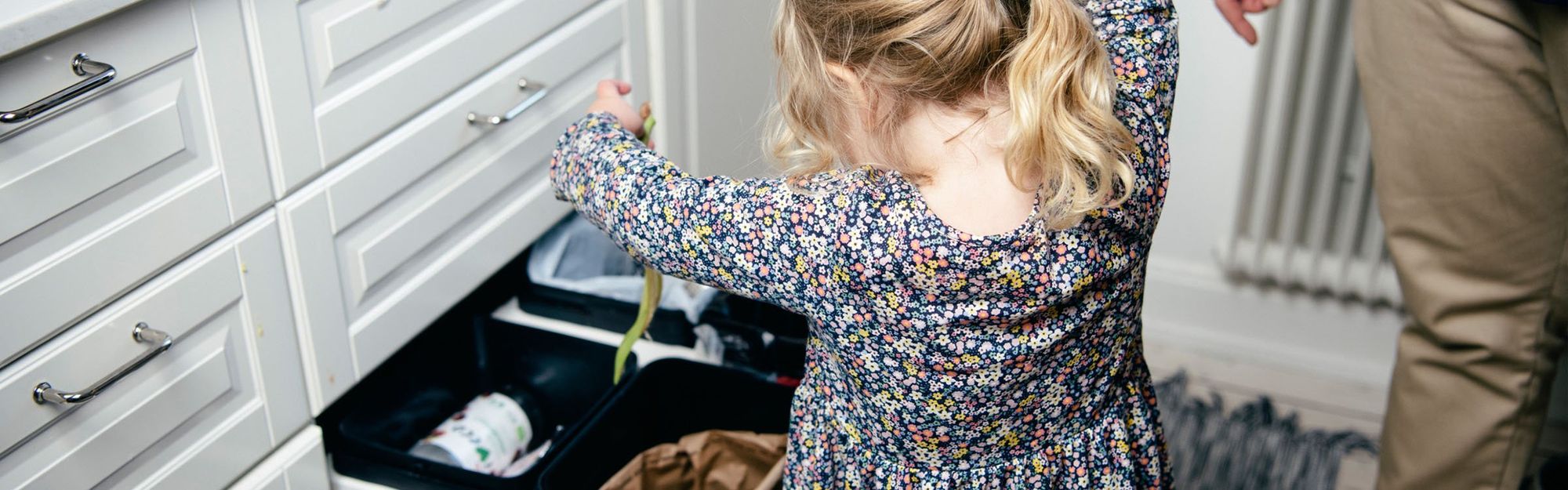
Make sustainable choices easy
Climate studies are showing that humans must change their behaviour by making more sustainable choices. Considering the consequences of global warming, the United Nations have identified 17 goals for a more sustainable future. The goals involve extinction of poverty, hunger, sickness and inequality, as well as promoting sustainable consumption, innovation and green energy.
Even though more information is provided, and new technology promoting energy efficiency is developed, statistics show that energy use in OECD countries will rise with 35 % by 2020 (UN 12th goal). Why are people still not making environmentally friendly choices to the extent that is necessary? The answer may, at least in part, lie within classic judgement psychology - humans are not fully rational in their decision making. That’s when they need a little nudge.
People, planet and profit
For the past decade Sweden-based nudging expert Katharina Paoli Brunat has been advocating a more sustainable way of living. In her work, as a public speaker and entrepreneur, she sees the possibilities to create a more sustainable future for all of us. We just need to see the options clearer.
- My passion is to empower people with hands on solutions that makes measurable impact, says Paoli Brunat. I believe we can have a more resource efficient, sustainable future where digitalisation, behavioural science and sustainability co-create and collaborate.
For Katharina Paoli Brunat’s sake, she took matter into her own hands by founding Nudgd, A Win Win World, Wildflower Group and EcoBride. She is also on several boards and work as a mentor, all with the same passion – to solve our biggest challenge for the future, a sustainable way of living by changing our behaviour.
- It is my opinion that people, planet and profit goes hand in hand towards the future, Paoli Brunat states. For that to happen, I believe that a collaboration between multiple stakeholders and a clear focus on action are essential, otherwise there will be no change.
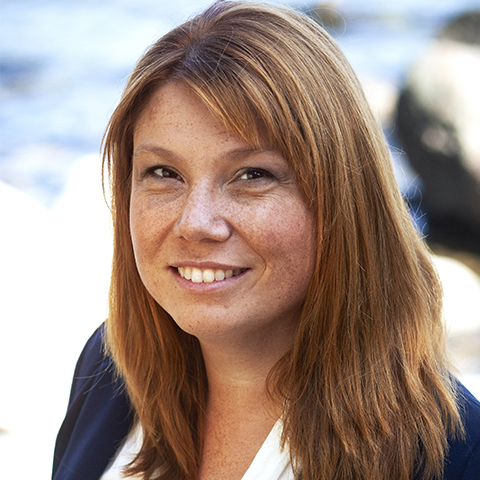 "I believe that a collaboration between multiple stakeholders and a clear focus on action are essential, otherwise there will be no change." Katharina Paoli Brunat, Nudging expert and Sustainability advisor, CEO of Nudgd
Nudge in a nutshell
What is nudging then? The term nudge, and nudging, gained popularity in 2008, when coined in a book by Cass R. Sunstein and Richard H. Thaler. In 2017, the latter was awarded the Sveriges Riksbank Prize in Economic Sciences in Memory of Alfred Nobel for his contribution to behavioural economics.
A nudge, in a behavioural context, refers to steering an individual’s behaviour in a given, desired direction; influencing their choices without removing other alternatives. It is a gentle push without legislation, carrots or/and sticks. Human behaviour is often irrational and can also be hard to predict. Nudging can therefor act as an instrument for influencing an individual’s behaviour and choices, in a more preferable way. If used successfully, you can increase a change in behaviour or attitude with nothing more than a gentle tweak and a soft touch.
Nudging is an effective tool for achieving a more sustainable world, and there are many nudging techniques that are proven efficient. Here are 5 nudging techniques that is used frequently with great results:
- A friendly reminder – in the right place, at the right time
- Framing – how the message is presented and by whom
- Social norms – compliance with the group
- Direct feedback – the impact of your actions shown immediately
- Visualisation – making it clear to see the benefit for me
- Without context, the concepts are perhaps hard to grasp – but here is an examples, says Paoli Brunat. In the case of social norms, we as humans like to compare ourselves with others, our group. Most people feel uncomfortable acting outside social norms and pleasant when they have a feeling of belonging. We also love to hear that we are better than average and tend to compare ourselves with others. A good example of wanting to be as good as your neighbour, or even better, was adapted by the power company Opower.
By presenting the customers private energy usage, as well as their neighbours, in their energy use home report they could see how much energy they were using, in relations to each other. This simple data, made visible in an easy way, triggered something in the users; a desire to be better than their next-door neighbour. The effect being that the energy usage of the customers dropped significantly.
Don’t stop believing
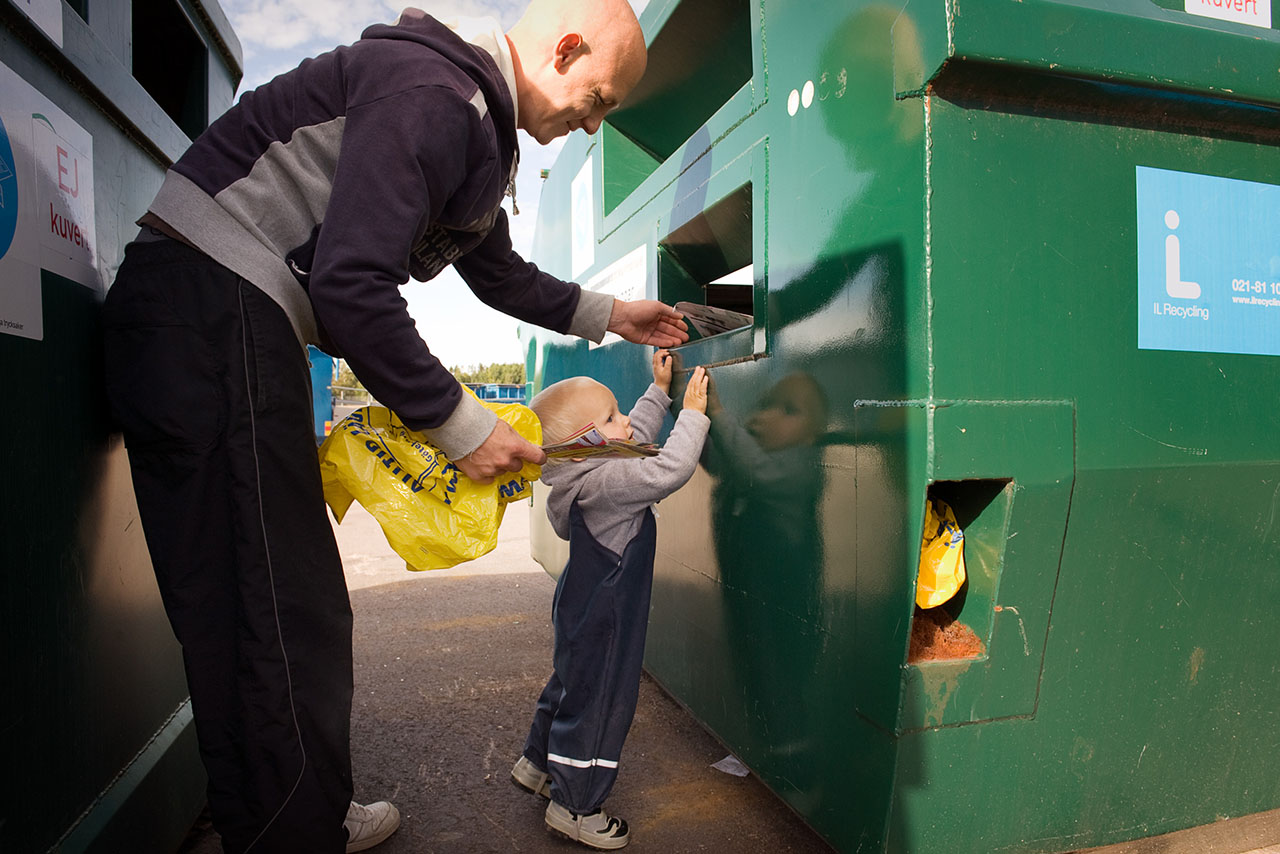
I believe that if we can make small changes, in the end it will make a big impact, says Paoli Brunat. May it be that hotels and restaurants uses smaller plates or bowls at buffets, and hence reduces the food waste and overconsumption, or invite your colleague to carpool instead of driving separately, or make a game out of who can recycle most household waste in your neighbourhood? I believe most of know what is “the right thing” to do, and I know that together we can make the changes necessary. But some of us might need a little push to get there.
Want to know more?
Smart Nudges: https://smartnudges.com
Nudgd: https://nudgd.se/ and https://nudgd.io
Nudging Sweden: https://facebook.com/groups/nudgingsweden
12 strategies to promote behavioural change: http://www.caminomagasin.se/files/media/enabling_sustainalbe_choises_webb.pdf
Sustainable development through nudging: https://www.diva-portal.org/smash/get/diva2:1281473/FULLTEXT02
Relaterade nyheter

När materialet spelar roll – Wrapped sätter hållbar belysning i ett nytt ljus
I en värld där varje gram material och varje gram koldioxid räknas är Wrapped inte bara en armatur, utan ett ställningstagande. Wrapped är Fagerhults mest hållbara armatur hittills, och det är ingen tillfällighet. Varje detalj, varje beslut och varje material har valts av en anledning. Hållbarhetsarbete börjar ofta med en enkel fråga: Vad är produkten gjord av? För Wrapped är svaret en trio av material som vart och ett bär på sin egen historia om miljöpåverkan. Solid board: en kär gammal vän Första gången vi på Fagerhult kom i kontakt med Solid board var 2021 i samband med lanseringen av Multilume Re:Think. För Wrapped har vi dock tagit det ett steg längre. Materialet består av en trelagerskonstruktion med en 100 % återvunnen kärna, ett förnybart FSC-certifierat övre skikt och en tunn skyddande plastfilm. Allt som allt är 65 % av materialet återvunnet, och det har 89 % lägre koldioxidutsläpp än jungfruligt extruderat aluminium. Bildgalleri: Solid board Wrapped tillverkas av ekologisk Solid board, återvunnet aluminium och återvunnen plast från konsumentledet. Ett nytt sätt att se på plast Plast är ofta ett omdebatterat material i hållbarhetssammanhang. Det är dock skillnad på plast och plast. I Wrapped används återvunnen plast från konsumentledet. Den typ av plast som har levt ett tidigare liv, kanske som schampooflaska eller livsmedelsbehållare. Postindustriell plast är en annan sak eftersom den aldrig har funnits på butikshyllan. Citat: Josefin Carlsson Aluminium med ett förflutet Wrapped innehåller två strukturella komponenter som tillverkas av 100 % återvunnet aluminium från konsumentledet. Detta material är också en del av en cirkulär infrastruktur och kan faktiskt ha varit en del av en Notor-armatur en gång i tiden. Jämfört med jungfruligt aluminium minskar utsläppen med 83 %. Mindre resurskrävande design som håller länge Hållbarhet handlar dock inte bara om vad vi använder, utan om hur mycket. Med sina 900 mm är Wrapped kortare än en konventionell armatur på 1 200 mm. Den mindre storleken minskar klimatpåverkan med 25 %, utan att armaturens ljusprestanda försämras. Josefin Carlsson jämför produkters klimatpåverkan i Fagerhults Experience Centre i Habo. För att förstå effekten av materialvalen i Wrapped kan vi titta på var resan började. 2021 hade Notor 65 – som tillverkas av jungfruligt aluminium – en klimatpåverkan på 34 kg koldioxidekvivalenter. För 2024 års version, som bestod av 75 % återvunnen aluminium, hade siffran minskat till 25 kg koldioxidekvivalenter. Idag landar Wrapped på ca 12 kg koldioxidekvivalenter. – Det är en tredjedel av den ursprungliga Notor 65-armaturen och hälften av den nuvarande versionen. En tyst revolution, mätt i kilo koldioxidekvivalenter, säger Josefin Carlsson. Efter sin långa användningstid (uppskattningsvis 100 000 timmar) är Wrapped redo för en lika hållbar utfasning. Tack vare sin design är armaturen enkel att ta isär, och alla material kan återvinnas och förberedas för nästa kapitel i den cirkulära ekonomin.
Fagerhults vårdrumspaneler är godkända för Medical Device Regulation
Fagerhults vårdrumspaneler är nu godkända för den nya medicintekniska förordningen MDR. ”Vi ser nyttan av att våra kunder redan nu kan erbjudas produkter som är anpassade för framtida krav,” säger Lars Handberg som är teknisk produktchef för medicinska försörjningsenheter. Det gamla medicintekniska direktivet MDD, Medical Device Directive, har ersatts med nya förordningen Medical Device Regulation, förkortat MDR. Övergången bland leverantörer måste ha skett senast den 31 december 2028. Fagerhult börjar leverera sina vårdrumspaneler enligt MDR redan nu. ”Fagerhult påbörjade tidigt arbetet med att säkerställa dokumentation och processer enligt den nya förordningen MDR. Följden är att Fagerhults vårdrumspaneler redan nu uppfyller MDR 2017/745 artikel 22”, säger Lars Handberg. Img Som en konsekvens av detta utgår den klassiska CE-märkningen. Anledningen är att vårdrumspanelerna enligt förordningen – i det fall man väljer att följa artikel 22, modulsammansatta produkter – inte ska vara försedda med ytterligare CE-märke, (artikel 22, punkt 5) eftersom ingående komponenter redan är CE-märkta. ”Det här är inget som påverkar produktens funktionalitet eller säkerhet utan är en följd av lagskrivningen. Fagerhults vårdrumspaneler följer produktstandarden och är lika säkra som tidigare. Däremot kan det vara bra att känna till, om någon skulle reagera på att CE-märkningen inte längre sitter med på de nya produkter som levereras.”, säger Lars Handberg.