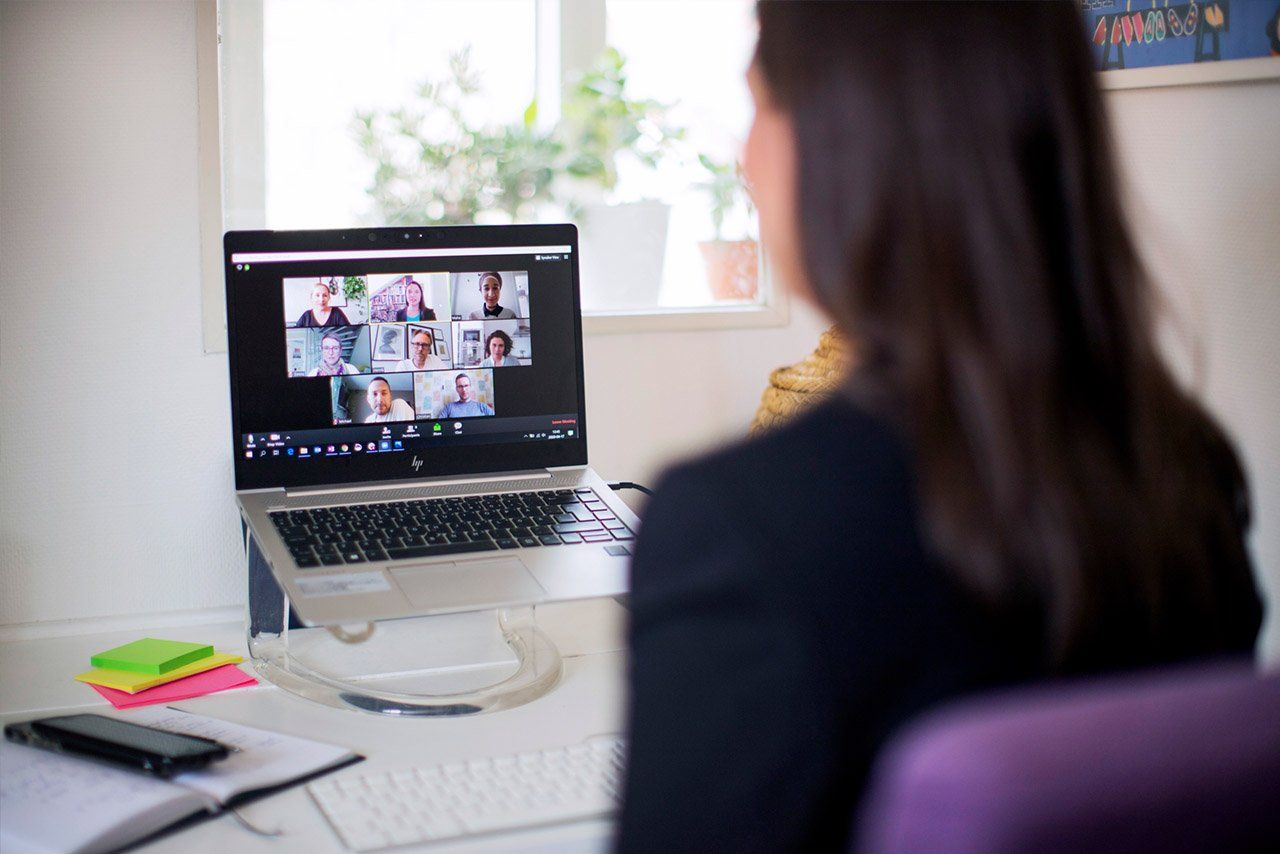
In Sweden, sick leave due to physical and mental ailments has increased sharply throughout the beginning of autumn 2020 (Previa). A serious development for the work environment that does not seem to stop. New statistics from Swedish corporate health care business Previa, shows that mental illness has never been as high as it is today in Sweden's workplaces. Similar reports around the world have shown large strains for people working at home, sometimes simultaneously home schooling their children and sometimes with inadequate office equipment or working space.
Many expected that the difficult situation in the workplace and the widespread work from home would be relatively temporary. But it has now turned into a protracted state that entails increased challenges for occupational health.
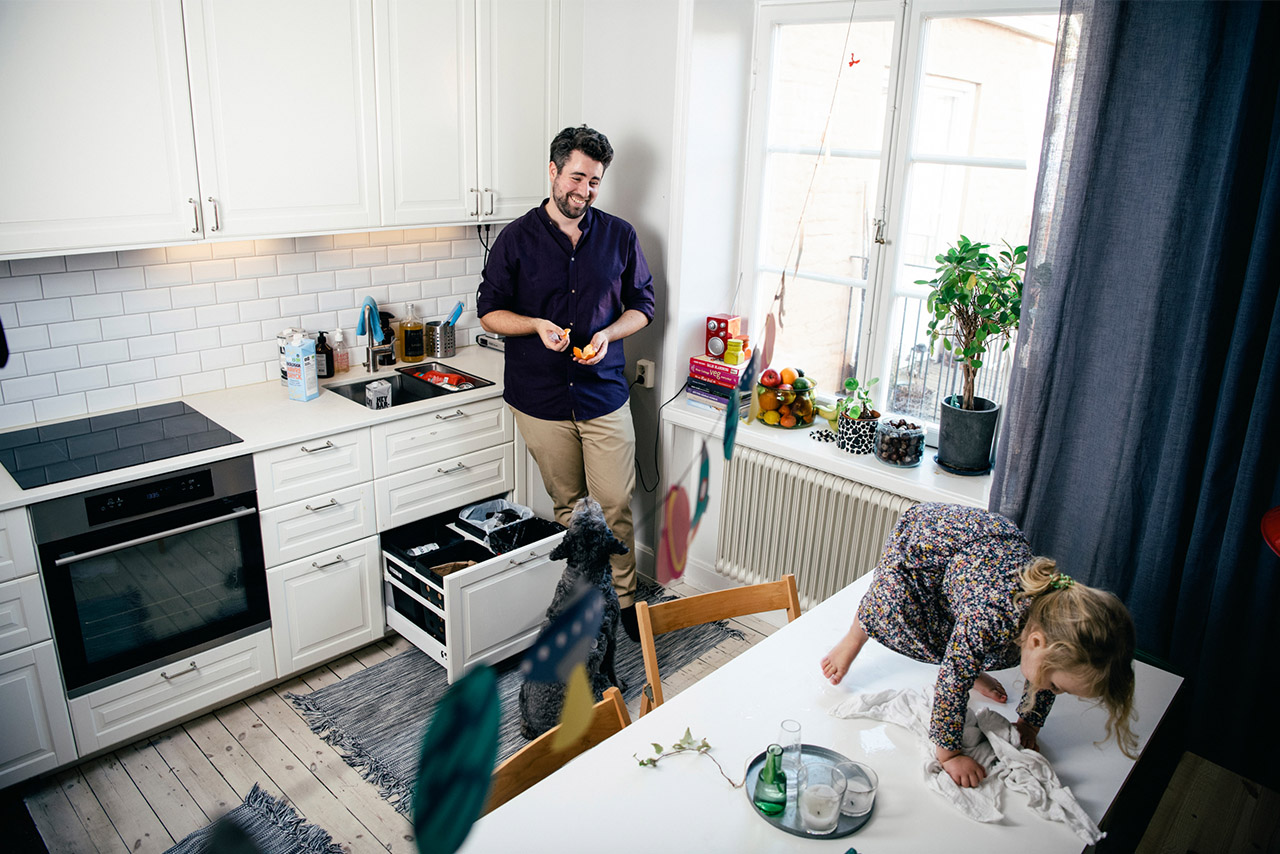
There is no place like the office
A current research study, carried out in Italy, examined the impact home working had on employees. They observed the perceived job productivity and satisfaction, work-related stress, and musculoskeletal (MSK) issues. In the study, the individuals at-home workstations and its setup, was included as well as how the participants related to physical activity and sitting for long periods.
The participants in the study declared that they were less productive (39.2%) but less stressed (39.2%) and equally satisfied (51%) compared to the time of office working. Regarding the physical impact, the participants felt MSK disorders, such as low back pain (41.2%) and neck pain (23.5%). They even described the neck pain to be worsened in 50%, of the cases. The group suffering from physical conditions also reported a lower job satisfaction. The study stated that the home environment is not always an adequate place to work, with an increased risk for mental health and MSK problems.
Screen time and night time
Not only does working from home present new ergonomic problems, it can give other side effects as well. The pandemic has given us all different local prerequisites and a varied amount of freedom in our everyday life. It is easy to get stuck in front of the screen. Today we use many of our devices for other tasks than work. This has for some people resulted in sleep disorders and, sometimes, even depression.
There is a stated relation between the exposure of blue light from i.e. mobile devices and laptop screens and a disturbance in the circadian rhythm. While light of any kind can suppress the secretion of melatonin, blue light at night does so more powerfully. Harvard researchers and their colleagues conducted an experiment comparing the effects of 6.5 hours of exposure to blue light to exposure to green light of comparable brightness. The blue light suppressed melatonin for about twice as long as the green light and shifted circadian rhythms by twice as much (3 hours vs. 1.5 hours).
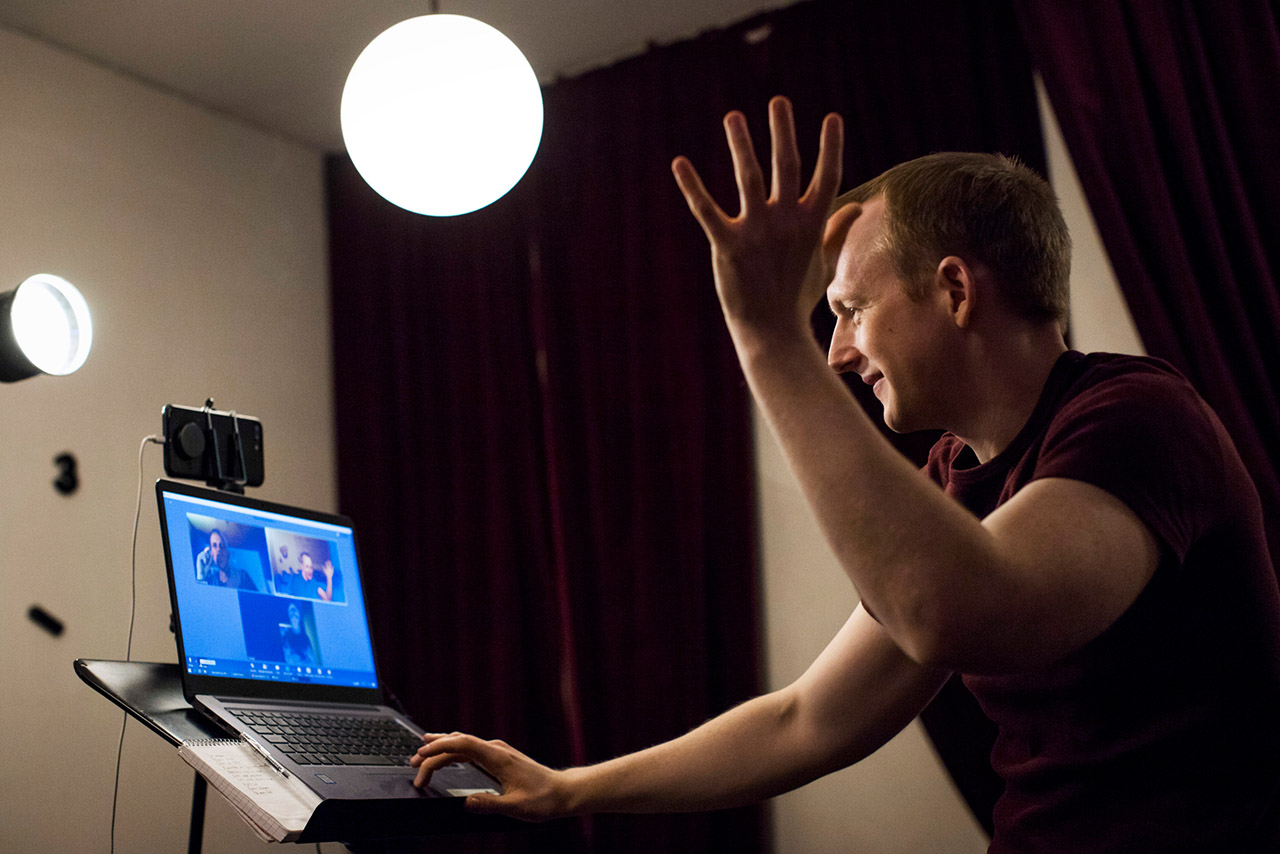
Break the circle – not the rhythm
So, what can we do to make the everyday home office be more ergonomic and productive? Well, try to work with the rhythm of your body, not against it.
- We must remember, that we have only been indoor creatures for a very brief period of the human history, says Henrik Clausen, director of the Fagerhult Lighting Academy. Our innate biological history is that of living outdoors, sleeping under the stargazed sky. We depend on the daylight rhythm for our inner balance. So, while you work from home - try to increase the intake of natural light during your workday. Maybe take a morning walk or a walk during your lunchbreak, or perhaps sit outside while drinking your coffee? If possible, place your work desk near a window and let the dynamics of the daylight outdoors help balance your inborn rhythm during the day. Also make sure that you have the right electrical light for your work desk, so you can see your work properly and not strain your eyes.
The key to prevent pain and posture problems, is to have variation and flexibility in your working space. The possibility to break a static circle and instead create a better flow, be it the blood flow to your head or a flow of ideas.
All in all, this new situation has been a vexing and challenging time for all of us and we hope that this unusual everyday life will soon find a more agreeable pace. Remember to be kind to yourself, and find the bright spots in your situation, where ever they might be.
Eight tips for a good workplace at home
- Sit properly - If the kitchen table is the only surface available, be sure to sit properly with a backrest. Putting a pillow in the lumbar region as extra support can be a way to help the back. If the usual chair is too low, sit on a pillow. The forearms should be able to rest on the table without the shoulders being pulled up.
- Be creative - Look around at home, are there other, less obvious places to work or vary your posture? A shelf or chest of drawers can, for example, work excellently as a standing table. Feel free to work in several different places in the home.
- Regard the light - Make sure you have good light. Perhaps you can use a floor lamp that you can move around. Be careful to avoid glare or flicker. Daylight is also a good contribution to your workplace. If possible, plan your stay-at-home-desk so you have the opportunity to look out the window sometimes.
- Avoid shoulder pain and ”vulture neck” - Find ways to place the computer at a good height for the eyes. Having the laptop in your knee is not ideal for the neck.
- Change position often - Remember not to sit statically for several hours. Do not stay in the same place when it's time for digital meetings. Get up during group meetings, or sit on the couch for a while. The most important thing is variety and changing body position often.
- Rest your eyes - If you spend a lot of time at the computer, make sure to rest your eyes sometimes. Look out the window or change direction, pause your eyes for a few minutes.
- Offer distance coffee - Add regular digital coffee breaks with a colleague or workgroup to check in on each other, and see how you all are doing.
- Make a dance break - Be sure to get up and move every hour for better blood circulation in joints and muscles. An easy way to fit in some everyday exercise in your workday, is to take a break and sit/rise from your chair 10 times – or maybe take a dance break to your favourite song? If you have a phone call planned, try to do it while going for a short walk.
Relaterade nyheter

Omvänt mentorskap: ”Allt ledarskap handlar om människor”
Under det senaste halvåret har sexton ledare från bolag i Jönköpings län haft varsin mentor via programmet Omvänt Mentorskap. Det som gör det just »omvänt« är att mentorerna är yngre och i början av sina yrkeskarriärer medan adepterna är mer seniora. Kristoffer Emanuelsson, produktionschef på Fagerhult, och Maria Liljeqvist, enhetschef inom hemtjänst i Jönköpings kommun, är ett av mentorsparen. Hej Maria och Kristoffer! Nu är Omvänt mentorskap över, vad har ni haft fokus på i ert samarbete?Kristoffer: ”Vi har inte haft några specifika mål utan har reflekterat och pratat, och så har Maria kommit med inspel på hur jag kan tänka i min vardag.”Maria: ”Jag tycker vi har haft en tydlig tråd där vi utgått från Kristoffers frågeställningar och reflekterat kring dem.” Kristoffer, var det något särskilt som du ville lyfta – och som du tar med dig? ”Jag ville fokusera på hur jag kan engagera kollegor och vi landade i flera diskussioner kring feedback. Det är lätt att fastna i det klassiska »Bra jobbat!« men det kan behövas lite mer utvecklande kommunikation och det vill jag bli bättre på gentemot mina närmaste medarbetare.” Maria flikar in: ”Jag sa till Kristoffer; du får inte säga »Bra jobbat!« om du inte också utvecklar vad som gjordes bra. Det är så lätt att fastna där.” Omvänt mentorskap 1 Att bryta invanda mönster är kan vara en utmaning, hur har det känts att kliva utanför komfortzonen? Kristoffer: ”Redan vid anmälan så bestämde jag mig för att ge detta en verklig chans. Annars är det ju ingen idé! Jag tycker det är viktigt att poängtera att det till stor del hänger på ens egen inställning. Att man verkligen vill, och vågar vara lite obekväm. Vi har haft bra diskussioner och samtidigt väldigt roligt, och det är ju alltid viktigt.” Maria: ”Jag tycker Kristoffer har varit modig och vågat testa de metoder vi diskuterat. Det har gjort att vi hela tiden kommit vidare.” Maria, har du lärt dig något som du tar med dig – utöver din roll som mentor? Maria: ”Ja, absolut! Det är så tydligt, att även om vi jobbar i väldigt olika miljöer så handlar ledarskapet alltid om människor och individer, och hur vi leder dem. Det är en värdefull insikt. Dessutom har vi haft roligt, och jag har stärkts i min egen roll som ledare genom att ha en senior ledare som lyssnar, tar till sig och provar mina idéer och tankar om ledarskap.” Ni jobbar i vitt skilda branscher, har olika lång ledarerfarenhet och är nya bekantskaper för varandra – vad tar ni med er från det? Maria: ”Vi är ganska olika som personer, och det har varit intressant att reflektera kring det i olika scenarier och hur det påverkar ledarskapet. Vi har lärt oss mycket av varandra.” Kristoffer: ”Jag tycker det är viktigt att vara öppen med sina brister, och samtidigt våga tänka nytt. Och kanske lägga eventuella skillnader kring hur länge man har varit ledare eller ålder åt sidan – och fokusera på att själva samtalet ska bli bra. Maria har ställt en del tuffare frågor där jag känt mig lite obekväm, men det har fått mig att ifrågasätta gamla vanor och varför jag gör saker på ett visst sätt. Det har hon gjort väldigt bra.” Kristoffer, utifrån ditt perspektiv som adept – hur ser du på Omvänt mentorskap? ”Inledningsvis kändes det lite obekvämt, men jag tycker man ska ta chansen att söka. Jag kan verkligen rekommendera det. Att ha en mentor var intressant, och det omvända mentorskapet tycker jag var väldigt givande. Att ta sig tid för reflektion med någon som inte har koppling till min vardag öppnar för andra funderingar och frågor. Vi kommer absolut försöka hålla kontakten.”