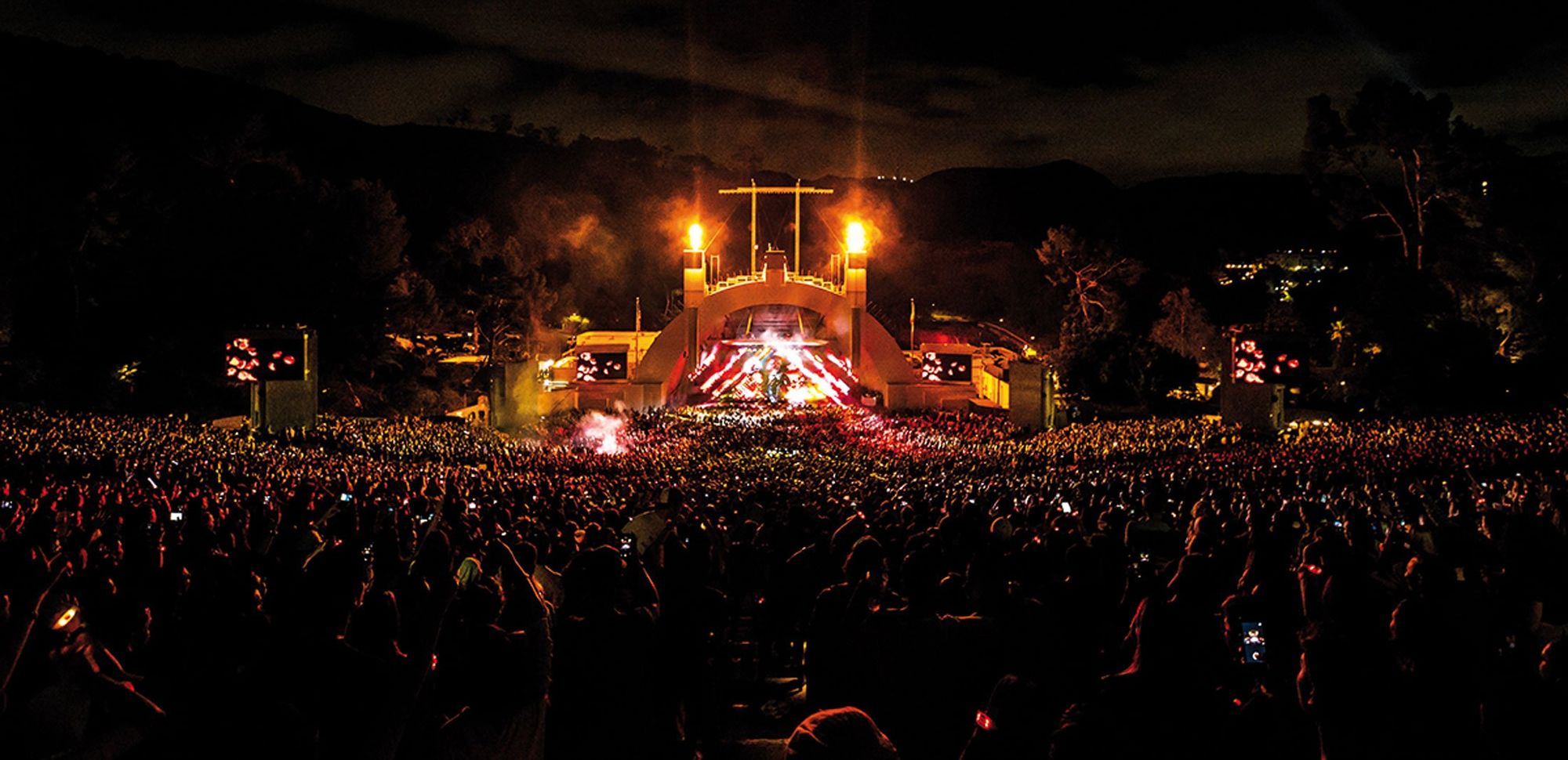
”I started working as a light technician ten years ago. Back then this kind of music-light- experience integration was part of the rave-related underground scene. Today it’s entertainment for the general public – it's the pop music of our time”, Alexander Hesse says.
At the time, future DJ-stars like Kygo, David Guetta and Avicii had just started off their careers – Alexander discretely admitting that he’s worked with ”most of them”.
”It’s been teamwork all the way, with friends and colleagues specialising in different disciplines. Together with the artists we’ve explored the creative possibilities of our mediums, taking their performances to the next level”, he says.
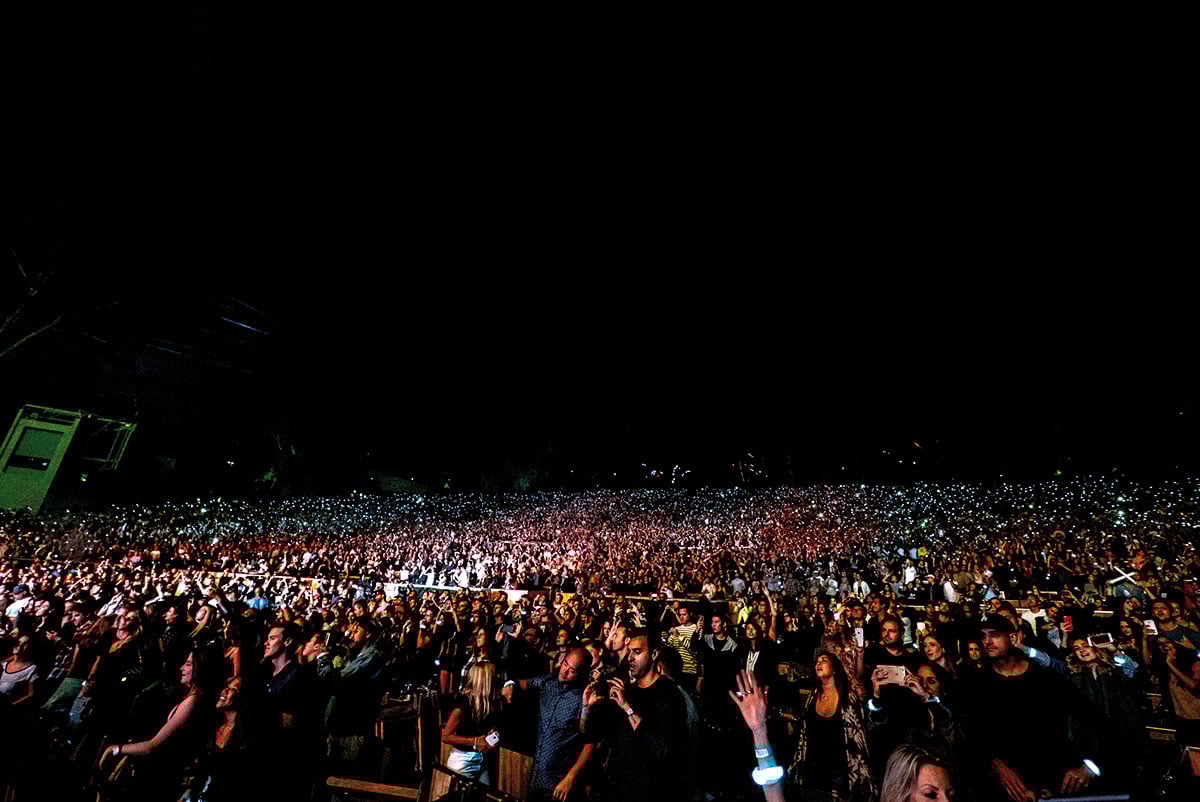
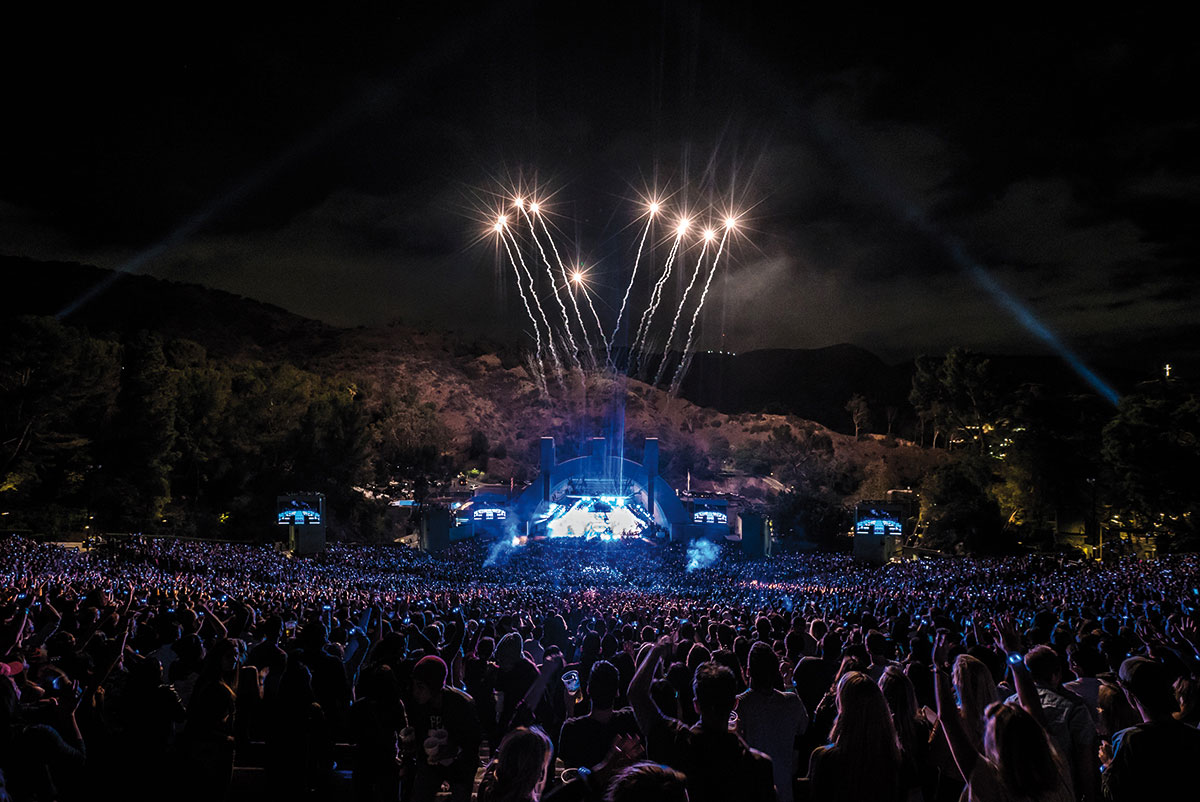
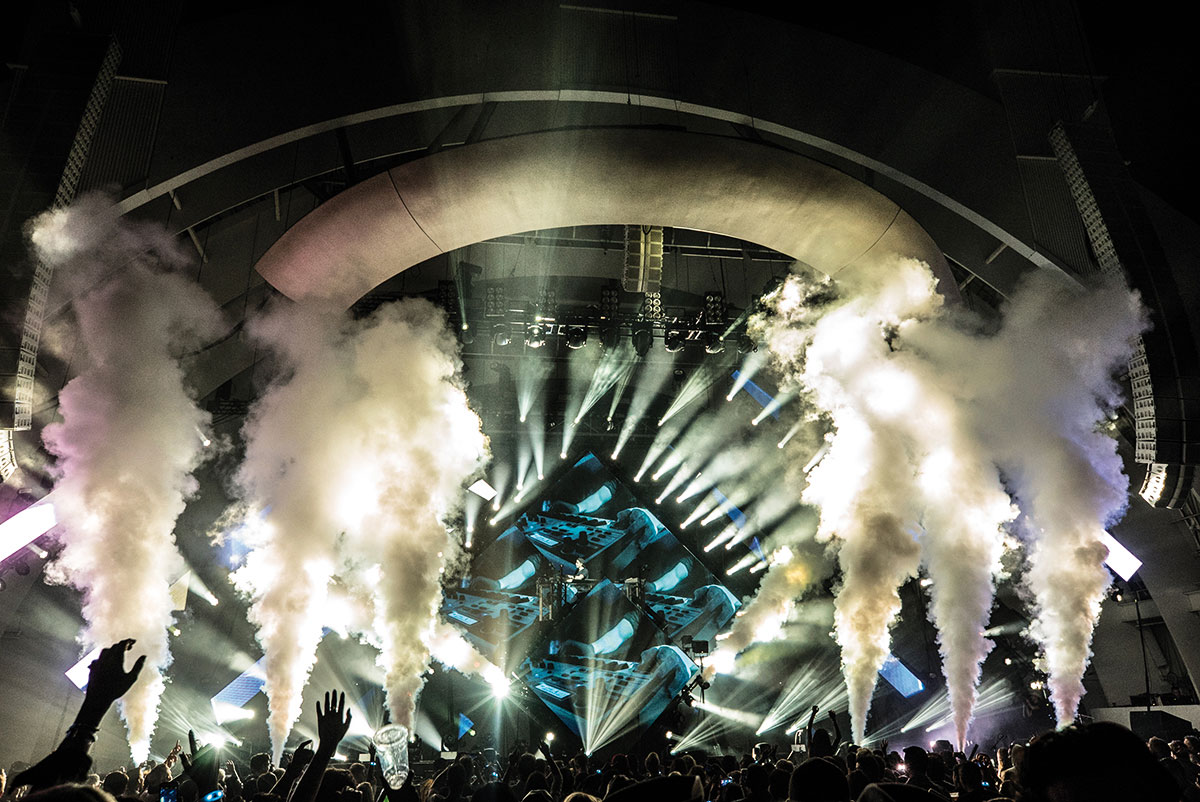
No matter if it's a one off show or a mega dance festival – the crowd is there to be entertained.
”Traditionally, if you’re going to a concert with, for example, Bruce Springsteen, you’re there to see and to hear The Boss. That’s it and you’re happy with that. But when attending this kind of event, you’re not there for the artist only – you want more. You want lights, moving pictures, special effects and pyrotechnics. You want an experience that blows your mind. That’s why I don’t call them DJs, I see them as producers and directors”, Alexander says.
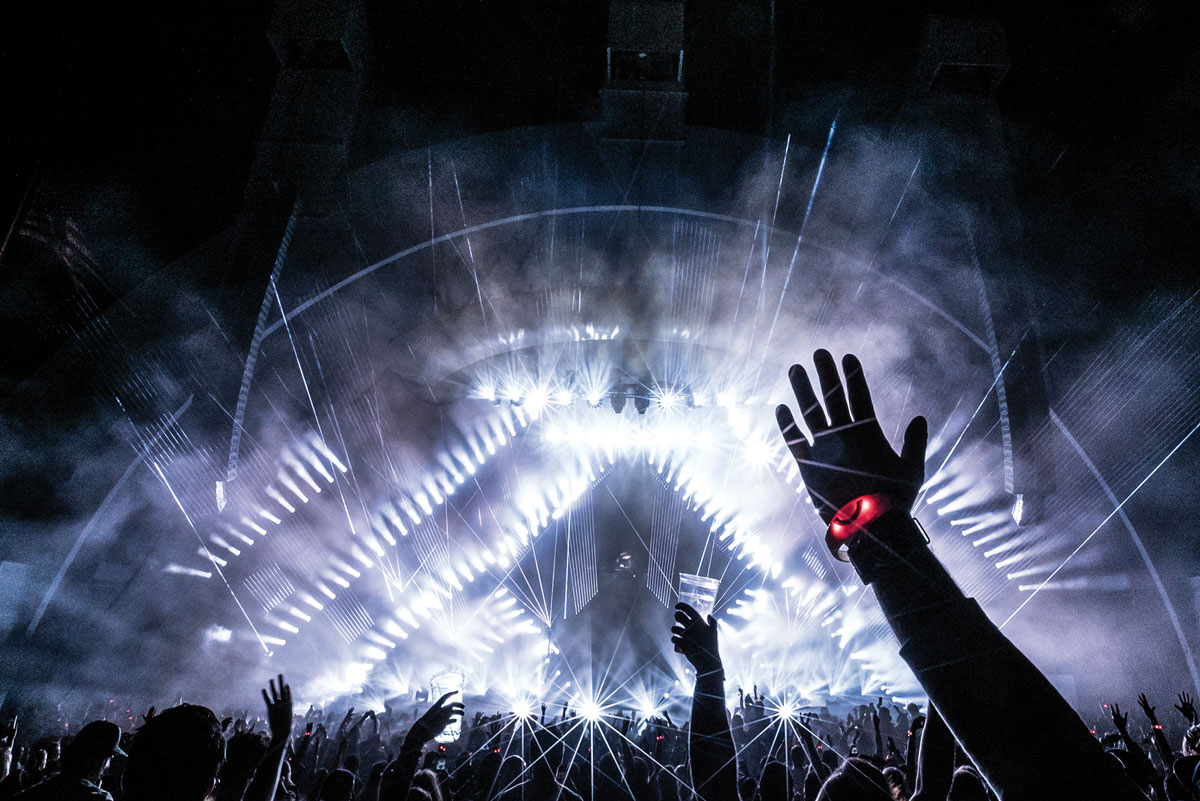
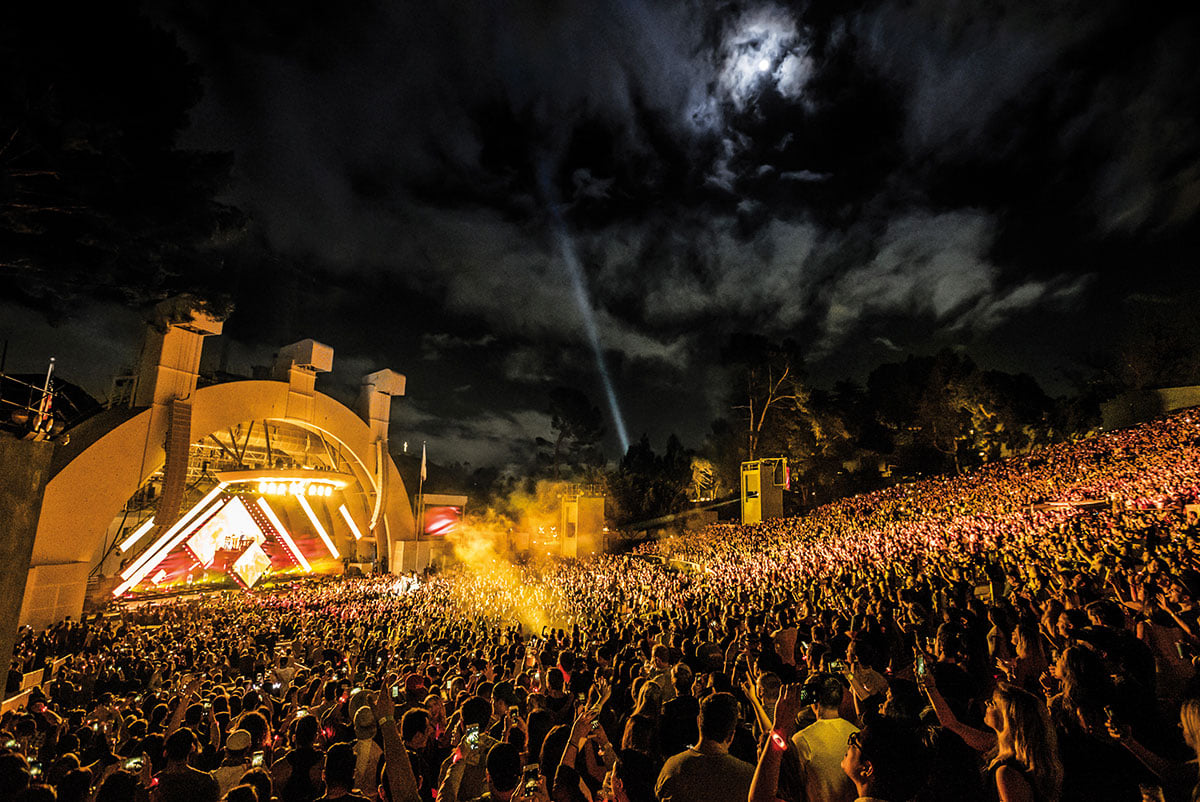
Coordinated lighting is the key to the EDM-genre. Music and lights are to be perfectly synchronized, facilitated by the digital format and demanding advanced programming. Lighting and other effects are carefully orchestrated to enhance the music and it’s elements. Shows are directed and programmed by Alexander and his colleagues in the production team. The creative lighting design process takes place in close cooperation with the artist.
”We usually start with a creative meeting, discussing the artist’s vision. It’s an incubation process where I show pictures and movies from other performances and introduce new ideas and concepts. I usually draw my projects in CASTs Wysiwyg, allowing me to programme the lighting in a sartorial environment, complete with stage and everything. I edit in Photoshop and I also work with Vectorworks and SketchUp”, he explains.
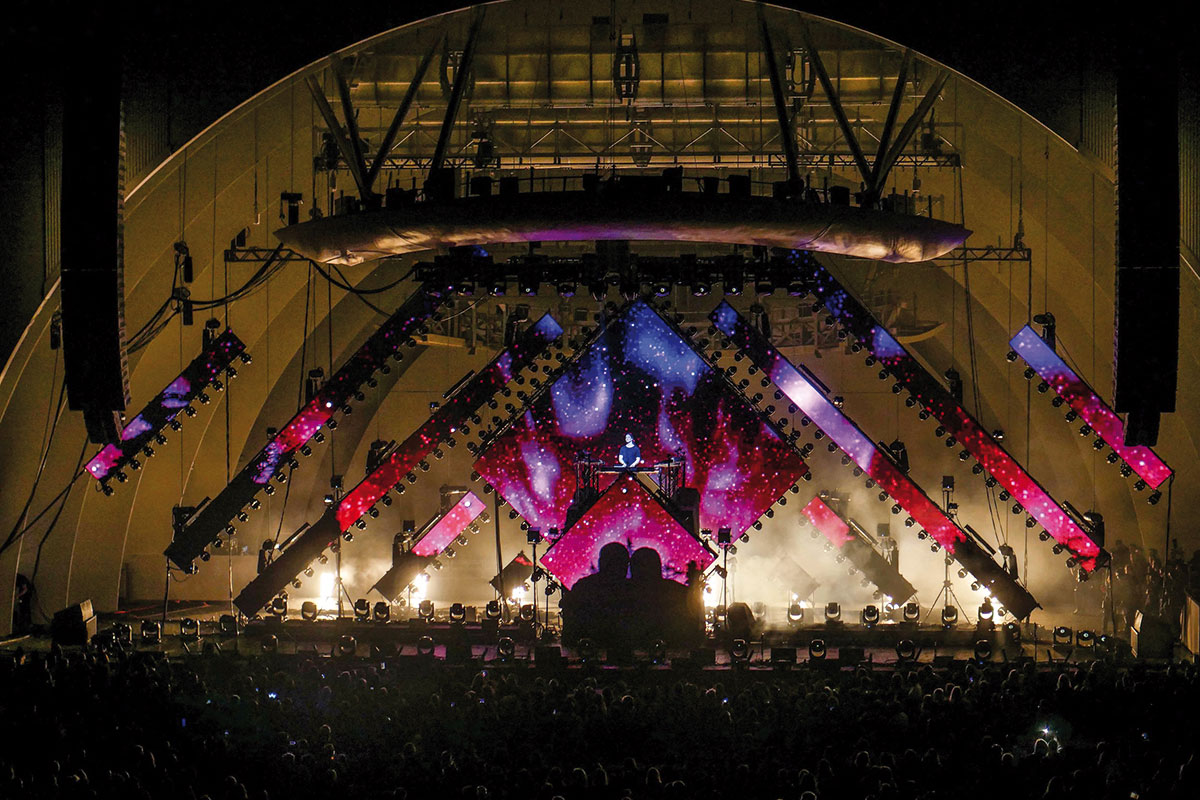
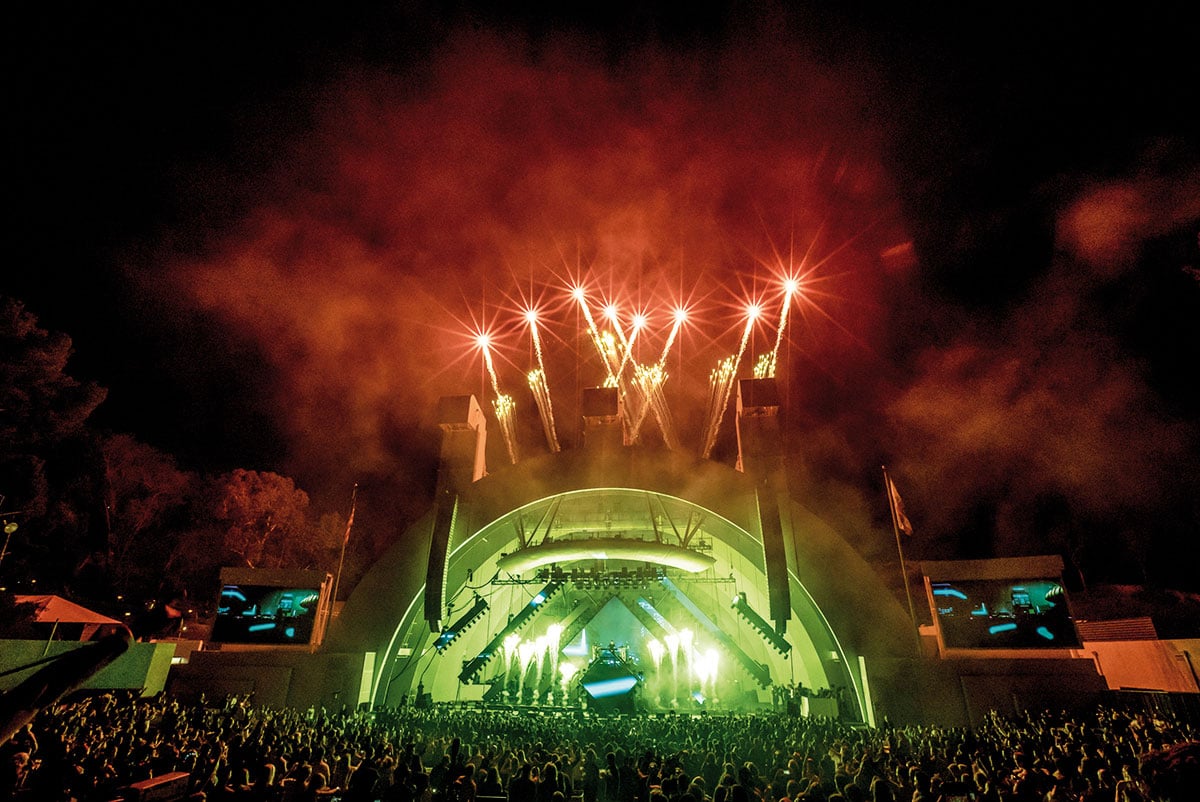
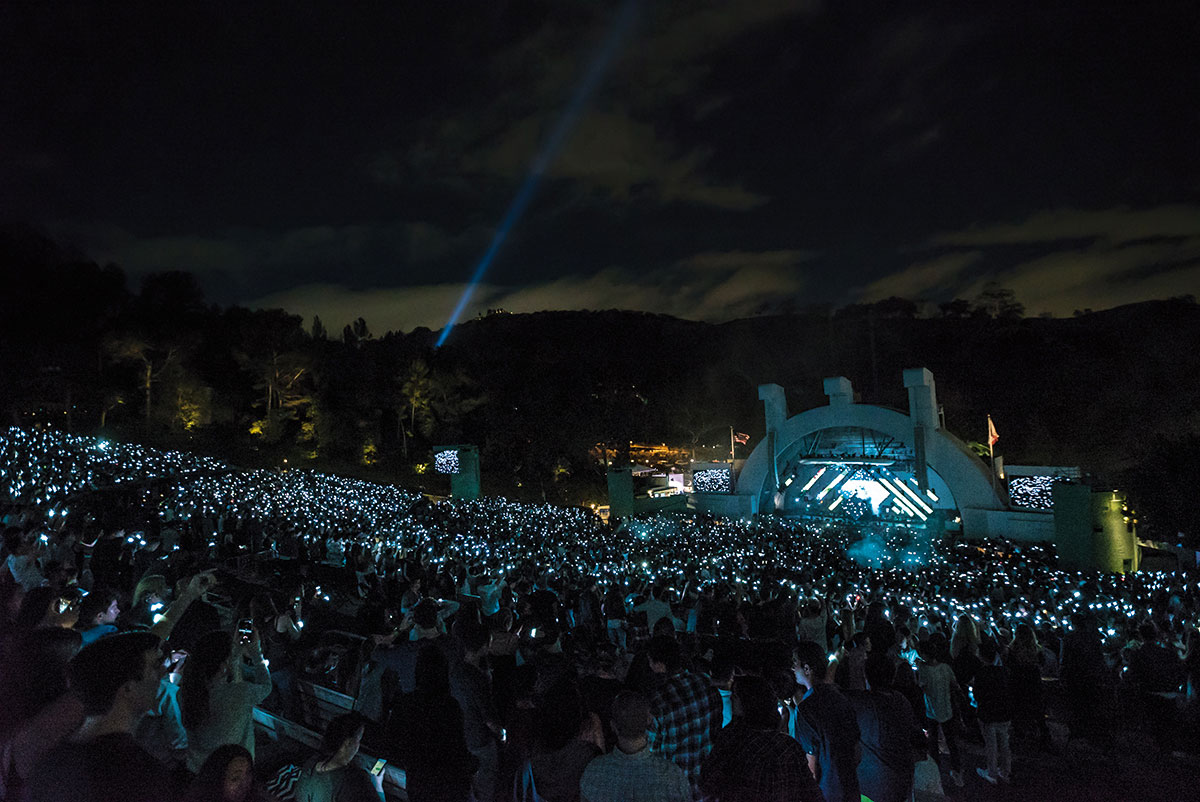
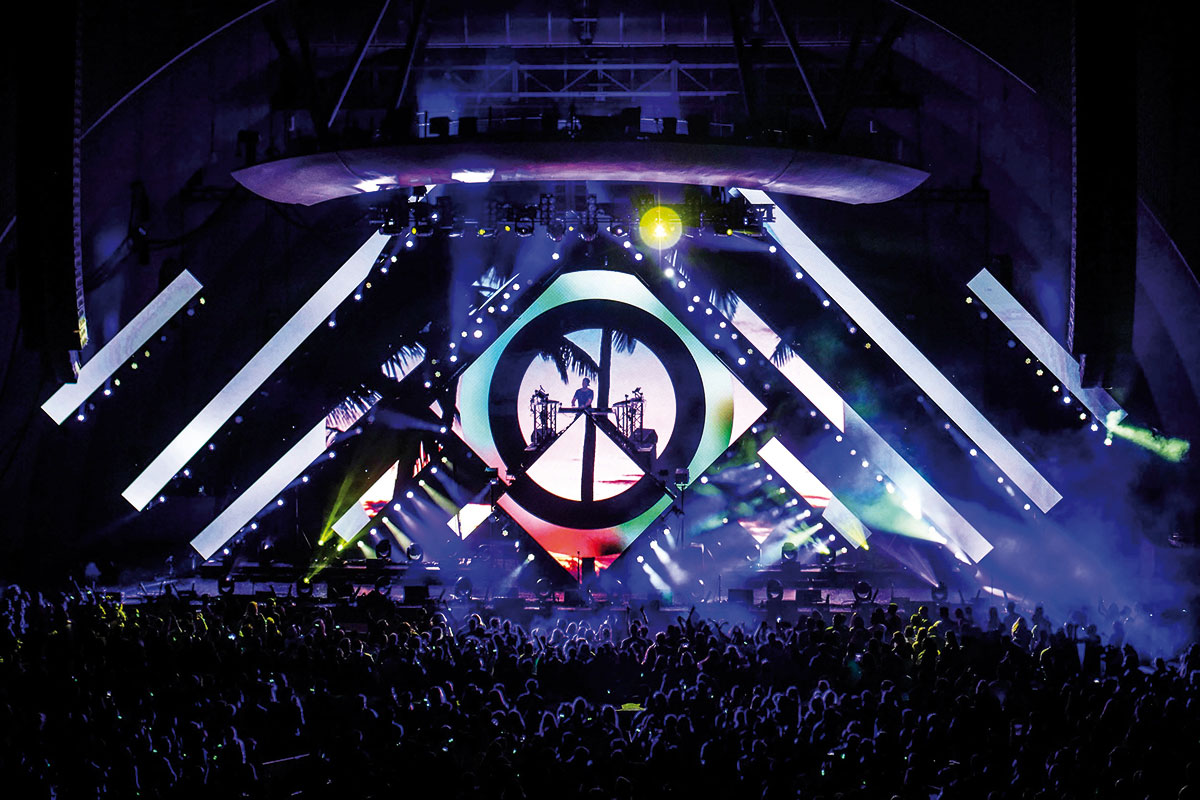
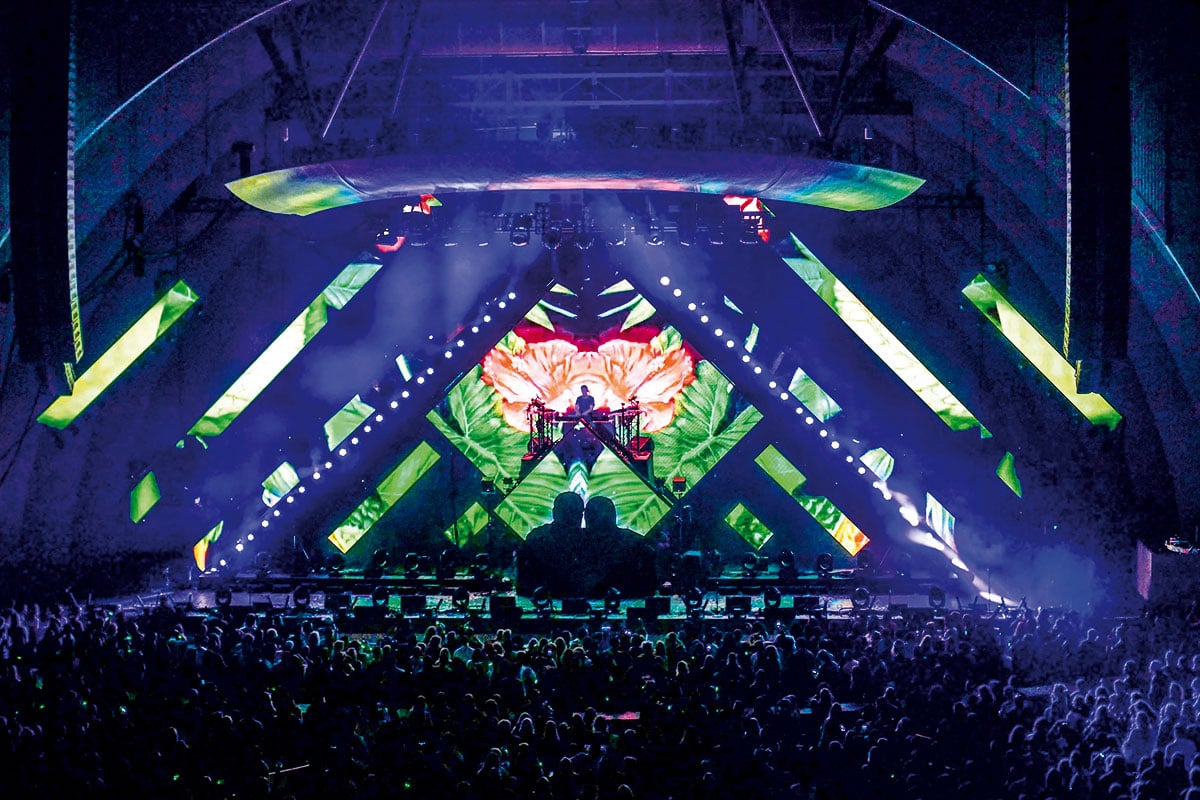
The rampant development of LED technology has brought new possibilities to create spectacular light shows. When directing Kygo’s two-night sell out at the famous Hollywood Bowl, Alexander had 188 moving LED fixtures in action dispersed over flown trusses.
”LED has made it possible to use both fixed and moving fixtures in an innovative way. With its high output and low weight, LED fixtures allow me to work with a large number of luminaires and high effects, and its still manageable. Creating these effects with traditional fixtures was impossible. They were too heavy to handle – and trussing was out of the question”, he says.
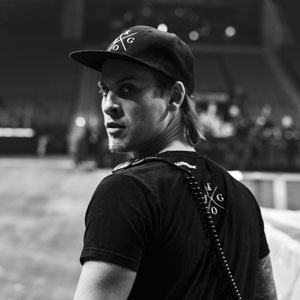 ”Also, LED walls have developed a lot over the last ten years. They have extremely good resolution, they are much larger and you can work with them in a completely different way." Alexander Hesse, Lighting designer and Director
Integrating the audience is a matter of course – and gone are old-fashioned lighters and smart phone flashlights. Interactive LED-wristbands are the hottest accessory.
”For Kygo’s show in LA, we used interactive LED wristbands. The wristbands, handed out to the audience on arrival, were controlled by an infrared signal to synchronize with the music”, he says.
So, where to head to have that mind-blowing EDM-experience?
”Of course, I’d say a Kygo-concert – or one of the many festivals worldwide like Amsterdam Dance Event, EDC Music Festival or Ultra. All the events taking place during Ibiza’s summertime are great. For a more traditional band experience? Coldplay. They tick all the boxes", Alexander concludes.
Relaterade nyheter

Omvänt mentorskap: ”Allt ledarskap handlar om människor”
Under det senaste halvåret har sexton ledare från bolag i Jönköpings län haft varsin mentor via programmet Omvänt Mentorskap. Det som gör det just »omvänt« är att mentorerna är yngre och i början av sina yrkeskarriärer medan adepterna är mer seniora. Kristoffer Emanuelsson, produktionschef på Fagerhult, och Maria Liljeqvist, enhetschef inom hemtjänst i Jönköpings kommun, är ett av mentorsparen. Hej Maria och Kristoffer! Nu är Omvänt mentorskap över, vad har ni haft fokus på i ert samarbete?Kristoffer: ”Vi har inte haft några specifika mål utan har reflekterat och pratat, och så har Maria kommit med inspel på hur jag kan tänka i min vardag.”Maria: ”Jag tycker vi har haft en tydlig tråd där vi utgått från Kristoffers frågeställningar och reflekterat kring dem.” Kristoffer, var det något särskilt som du ville lyfta – och som du tar med dig? ”Jag ville fokusera på hur jag kan engagera kollegor och vi landade i flera diskussioner kring feedback. Det är lätt att fastna i det klassiska »Bra jobbat!« men det kan behövas lite mer utvecklande kommunikation och det vill jag bli bättre på gentemot mina närmaste medarbetare.” Maria flikar in: ”Jag sa till Kristoffer; du får inte säga »Bra jobbat!« om du inte också utvecklar vad som gjordes bra. Det är så lätt att fastna där.” Omvänt mentorskap 1 Att bryta invanda mönster är kan vara en utmaning, hur har det känts att kliva utanför komfortzonen? Kristoffer: ”Redan vid anmälan så bestämde jag mig för att ge detta en verklig chans. Annars är det ju ingen idé! Jag tycker det är viktigt att poängtera att det till stor del hänger på ens egen inställning. Att man verkligen vill, och vågar vara lite obekväm. Vi har haft bra diskussioner och samtidigt väldigt roligt, och det är ju alltid viktigt.” Maria: ”Jag tycker Kristoffer har varit modig och vågat testa de metoder vi diskuterat. Det har gjort att vi hela tiden kommit vidare.” Maria, har du lärt dig något som du tar med dig – utöver din roll som mentor? Maria: ”Ja, absolut! Det är så tydligt, att även om vi jobbar i väldigt olika miljöer så handlar ledarskapet alltid om människor och individer, och hur vi leder dem. Det är en värdefull insikt. Dessutom har vi haft roligt, och jag har stärkts i min egen roll som ledare genom att ha en senior ledare som lyssnar, tar till sig och provar mina idéer och tankar om ledarskap.” Ni jobbar i vitt skilda branscher, har olika lång ledarerfarenhet och är nya bekantskaper för varandra – vad tar ni med er från det? Maria: ”Vi är ganska olika som personer, och det har varit intressant att reflektera kring det i olika scenarier och hur det påverkar ledarskapet. Vi har lärt oss mycket av varandra.” Kristoffer: ”Jag tycker det är viktigt att vara öppen med sina brister, och samtidigt våga tänka nytt. Och kanske lägga eventuella skillnader kring hur länge man har varit ledare eller ålder åt sidan – och fokusera på att själva samtalet ska bli bra. Maria har ställt en del tuffare frågor där jag känt mig lite obekväm, men det har fått mig att ifrågasätta gamla vanor och varför jag gör saker på ett visst sätt. Det har hon gjort väldigt bra.” Kristoffer, utifrån ditt perspektiv som adept – hur ser du på Omvänt mentorskap? ”Inledningsvis kändes det lite obekvämt, men jag tycker man ska ta chansen att söka. Jag kan verkligen rekommendera det. Att ha en mentor var intressant, och det omvända mentorskapet tycker jag var väldigt givande. Att ta sig tid för reflektion med någon som inte har koppling till min vardag öppnar för andra funderingar och frågor. Vi kommer absolut försöka hålla kontakten.”