Few symbols are so positively connotated as light. You “see things brighter”, it is “a new dawn” – semantically light is something optimistic and joyful that we desire. Light, or the absence of it, affects us in many ways. In some parts of the world the access to electrical light, and/or daylight, are limited for different reasons. This affects both mood and health, but also the possibilities to study or work after sunset. Here are some examples of how people living in the dark has taken matters into their own hands and turned the light on.
Mirror, mirror on the mountain…
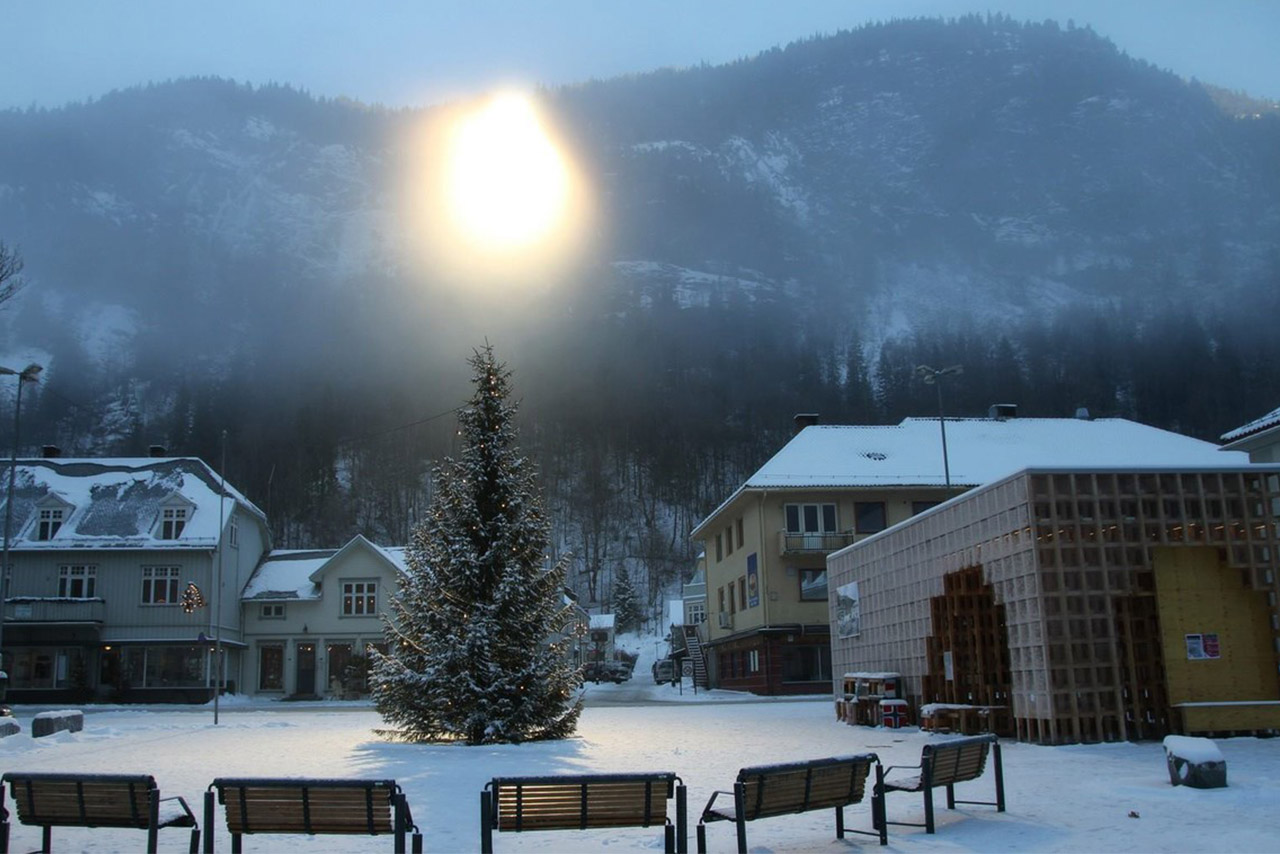
One way of helping the sunbeams find their way, is by redirecting and reflecting them. This is something the small villages of Rjukan (Norway) and Viganella (Italy), has tried. Both cities are located in-between steep mountains, and the residents normally do not see the daylight for many months during the winter season. The city of Rjukan is a beautiful village along the Hardanger fjord, located in an east/west valley, with the mighty Gaustatoppen (1883 m) on one side and steep mountain sides south of the city. Due to its location, the people of Rjukan live in shadow for almost six months a year, which of course affects the circadian rhythm and the possibilities to have an outdoor life.
In 2013 three giant mirrors was installed on one of the mountain tops, mounted in the rock wall 742 metres above the sea, about 450 m just above Rjukan Torg. The mirrors are in total 51 m² large. They catch the sunlight and reflect it down to Rjukan Torg, where the sunlight is distributed in an 600 m² area on the square. The solar energy in the square has an effect of 80-100% in relation to the light captured by the mirrors. The mirrors follows the sun's brief dash across the winter sky, and reminds the residents that even though it might not show, it is daytime.
Harvesting the sun
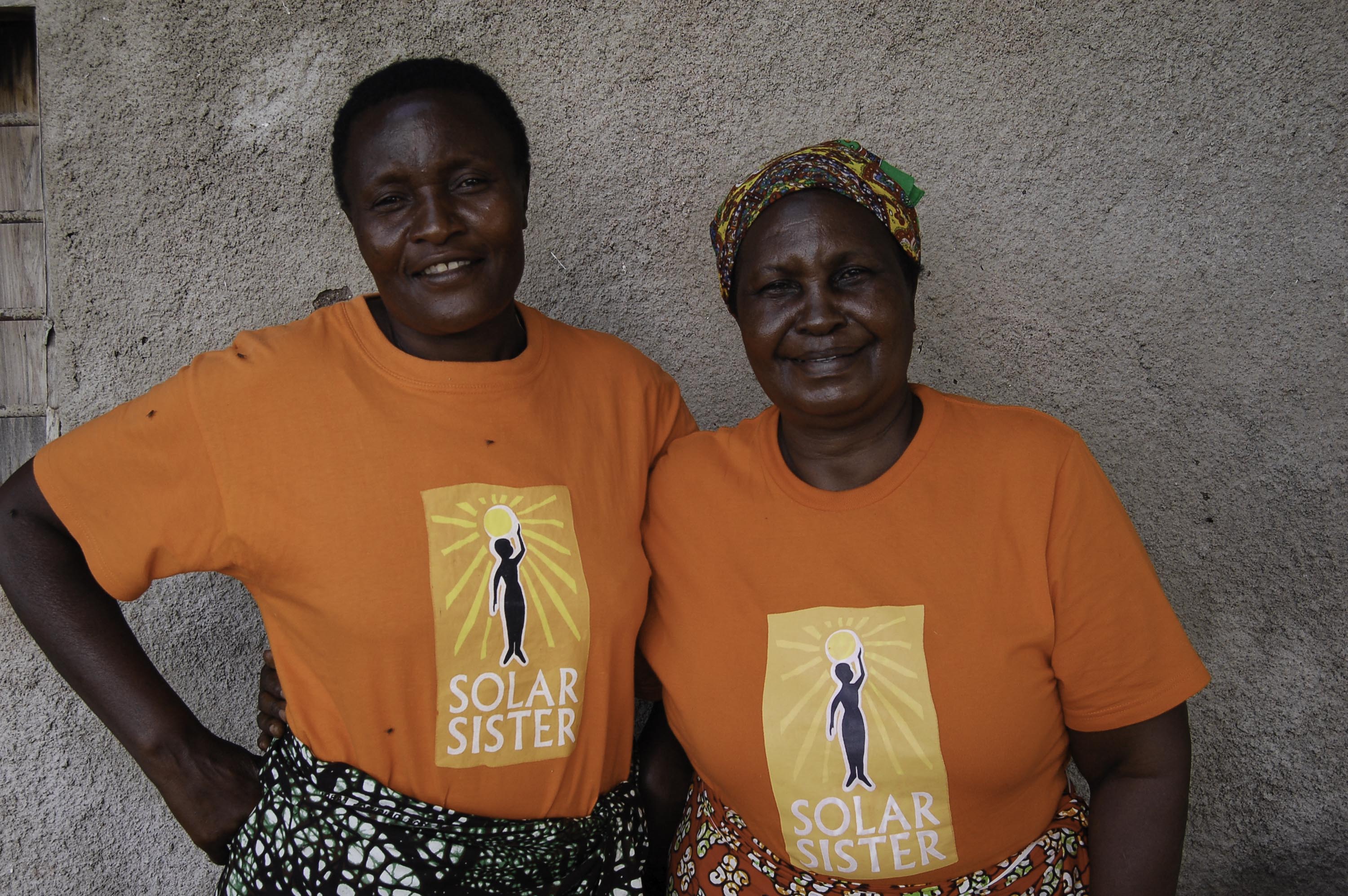
In other parts of the world, in the Sub-Saharan area, light and darkness follows a more constant pace. This makes the people living there dependent on electrical light for i.e. cooking or studying. In one of the poorest countries in Africa, Tanzania, 80 % of the population has no access to electricity. The majority depend on harmful fuels such as firewood and charcoal for cooking. Lack of access to power locks people into poverty and affects all areas of life. Energy poverty has a multitude of direct and indirect negative consequences on the health, education and incomes of women in particular and of off-grid communities in general. With initiatives such as the organization Solar Sister, this can be changed. The female entrepreneurs are given an business education, and are provided with solar cell lamps that they can sell to their communities. There are various forms of solar cell devices, all of them making the everyday life easier during the dark hours of the day.
Research from the Santa Clara University’s Miller Center for Social Entrepreneurship (2017) showed that with solar lanterns:
- Students have a reliable, bright light to use for their studies and show significant improvement in their education.
- Families are relieved of the damaging health effects from kerosene and no longer risk burns and home fires from kerosene lamps.
- Households experience financial benefits by ceasing the use of costly kerosene, growing existing businesses, and starting new businesses.
Some solar lanterns do more than provide light: they can also charge cell phones. And all these benefits combine to create intrinsic changes in individuals’ sense of agency and power.
All in all, light – be it electrical or natural – is vital for us. We need it for household work, for reading or just for socialising with our family. As the examples shows above, the longing for light is a strong force that drives us out of the darkness. By own means, or with technical help.
More information on Solar Sisters
- Solar Sisters is a NGO operating in Nigeria, Tanzania and Uganda.
86 % of the entrepreneurs are women. - During 2019, 1,7 million solar cell lamps were sold.
- Fagerhult has been supporting Solar Sisters via our social initiative Bright Future since 2015.
Relaterade nyheter

Omvänt mentorskap: ”Allt ledarskap handlar om människor”
Under det senaste halvåret har sexton ledare från bolag i Jönköpings län haft varsin mentor via programmet Omvänt Mentorskap. Det som gör det just »omvänt« är att mentorerna är yngre och i början av sina yrkeskarriärer medan adepterna är mer seniora. Kristoffer Emanuelsson, produktionschef på Fagerhult, och Maria Liljeqvist, enhetschef inom hemtjänst i Jönköpings kommun, är ett av mentorsparen. Hej Maria och Kristoffer! Nu är Omvänt mentorskap över, vad har ni haft fokus på i ert samarbete?Kristoffer: ”Vi har inte haft några specifika mål utan har reflekterat och pratat, och så har Maria kommit med inspel på hur jag kan tänka i min vardag.”Maria: ”Jag tycker vi har haft en tydlig tråd där vi utgått från Kristoffers frågeställningar och reflekterat kring dem.” Kristoffer, var det något särskilt som du ville lyfta – och som du tar med dig? ”Jag ville fokusera på hur jag kan engagera kollegor och vi landade i flera diskussioner kring feedback. Det är lätt att fastna i det klassiska »Bra jobbat!« men det kan behövas lite mer utvecklande kommunikation och det vill jag bli bättre på gentemot mina närmaste medarbetare.” Maria flikar in: ”Jag sa till Kristoffer; du får inte säga »Bra jobbat!« om du inte också utvecklar vad som gjordes bra. Det är så lätt att fastna där.” Omvänt mentorskap 1 Att bryta invanda mönster är kan vara en utmaning, hur har det känts att kliva utanför komfortzonen? Kristoffer: ”Redan vid anmälan så bestämde jag mig för att ge detta en verklig chans. Annars är det ju ingen idé! Jag tycker det är viktigt att poängtera att det till stor del hänger på ens egen inställning. Att man verkligen vill, och vågar vara lite obekväm. Vi har haft bra diskussioner och samtidigt väldigt roligt, och det är ju alltid viktigt.” Maria: ”Jag tycker Kristoffer har varit modig och vågat testa de metoder vi diskuterat. Det har gjort att vi hela tiden kommit vidare.” Maria, har du lärt dig något som du tar med dig – utöver din roll som mentor? Maria: ”Ja, absolut! Det är så tydligt, att även om vi jobbar i väldigt olika miljöer så handlar ledarskapet alltid om människor och individer, och hur vi leder dem. Det är en värdefull insikt. Dessutom har vi haft roligt, och jag har stärkts i min egen roll som ledare genom att ha en senior ledare som lyssnar, tar till sig och provar mina idéer och tankar om ledarskap.” Ni jobbar i vitt skilda branscher, har olika lång ledarerfarenhet och är nya bekantskaper för varandra – vad tar ni med er från det? Maria: ”Vi är ganska olika som personer, och det har varit intressant att reflektera kring det i olika scenarier och hur det påverkar ledarskapet. Vi har lärt oss mycket av varandra.” Kristoffer: ”Jag tycker det är viktigt att vara öppen med sina brister, och samtidigt våga tänka nytt. Och kanske lägga eventuella skillnader kring hur länge man har varit ledare eller ålder åt sidan – och fokusera på att själva samtalet ska bli bra. Maria har ställt en del tuffare frågor där jag känt mig lite obekväm, men det har fått mig att ifrågasätta gamla vanor och varför jag gör saker på ett visst sätt. Det har hon gjort väldigt bra.” Kristoffer, utifrån ditt perspektiv som adept – hur ser du på Omvänt mentorskap? ”Inledningsvis kändes det lite obekvämt, men jag tycker man ska ta chansen att söka. Jag kan verkligen rekommendera det. Att ha en mentor var intressant, och det omvända mentorskapet tycker jag var väldigt givande. Att ta sig tid för reflektion med någon som inte har koppling till min vardag öppnar för andra funderingar och frågor. Vi kommer absolut försöka hålla kontakten.”