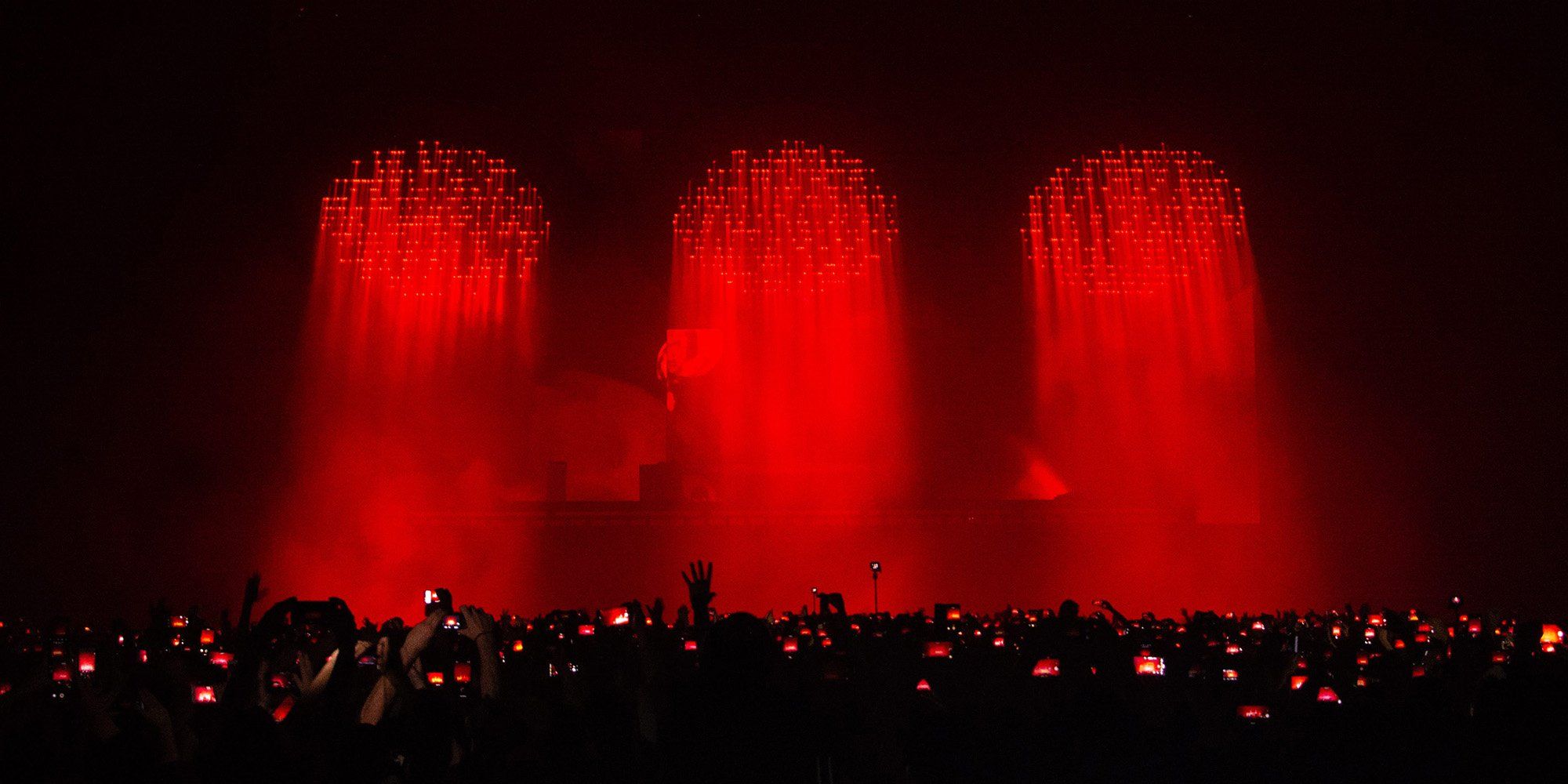
Alexander has just arrived back in Sweden for a short pause in the come-back tour with Swedish House Mafia. The Electronic Dance Music (EMD) group is on tour in most of Europe, Singapore, Mexico and South Korea. There are 16 acts in total in which Hesse’s team has produced lighting design, 3D-animation and video in close collaboration with the artists.
- Lighting is a crucial part for these types of acts, and the artists are keenly aware of the importance of having a music and light show that is tightly synced, says Hesse. In this case, the artists have had a break for almost six years. So their attitude towards the lightshow was “we need to have something big, bold and Iconic!”.
The show is a massive production, and involves a lot of different expertise.
- We all have very clear roles and responsibilities in the team, explains Hesse. As a lighting designer and lighting director, it is my responsibility to guide the artist’s requests on how to program creative lighting in their show. It’s very important for them to feel a part of it all. I just have to trust that their creative crazy geniuses knows what they want, laughs Hesse.
The work for the scene – behind the scenes
The entire show is first programmed in a 3D-world, using a programme called WYSIWYG (first stage simulation). The program connects lasers, luminaires, renderings, videos and control desks and is operated like as if it were a real show on a TV screen. All of this gives the artists and mangers an impression of how the stage will look once it is set.
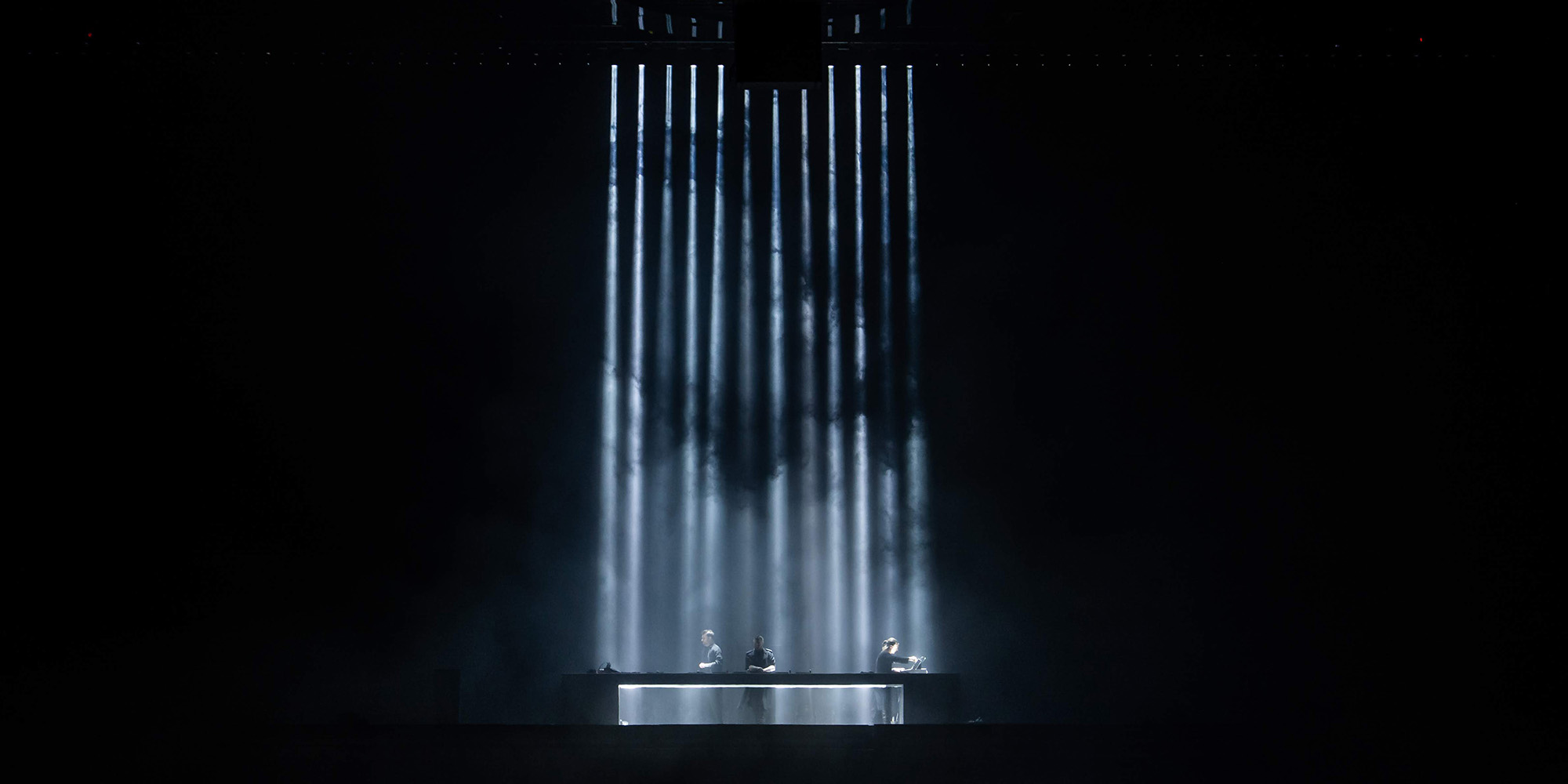
- This show had three big rings on stage, Alexander explains. Each ring weighs approximately 2.5 tons. We had 82x GLP x4 bars 20 & 8x BB3 lasers in each ring, 56x Chroma Q CF 12 II around the truss in each ring 8x motors so that each ring could lift and rotate it. So of course, all of this must be carefully planned before we go for the real thing.
For a production like this Alexander uses highly advanced luminaires, far from the everyday kitchen lamp.
- Basically, a Blinder has one channel, and that channel has 1 function, Hesse explains. For instance dimming that one light. In this show we had some advanced luminaires, that can have up to 93 channels each. When you plan and program the light you have a workspace where you sort your luminaires. Each workspace is a “universe”. In one universe you can have a maximum of 512 channels. This show had 97 universes, so you can imagine that's a lot of channels and data that is sent out. The show was run from 2x Grand MA2 full size with 15x NPUs to processed all the data.
Not only are the luminaires highly developed for controls, they are carefully selected to give the right visual effect as well.
- When I use a luminaire I look for a product with the right colour mixture, explains Hesse. Colour mixture means that you can use primary-red, primary-blue and primary-green – but also get nuances and different colour temperatures. This gives us a huge range of possibilities when designing the show. I also look at different types of white that are available.
There are so many possibilities with lighting fixtures today, from pan & tilt speed, zoom range and speed, different gobo, animation wheels and beam effect to shutter speeds. All these attributes are considered before picking fixtures for the show.
Lights in code
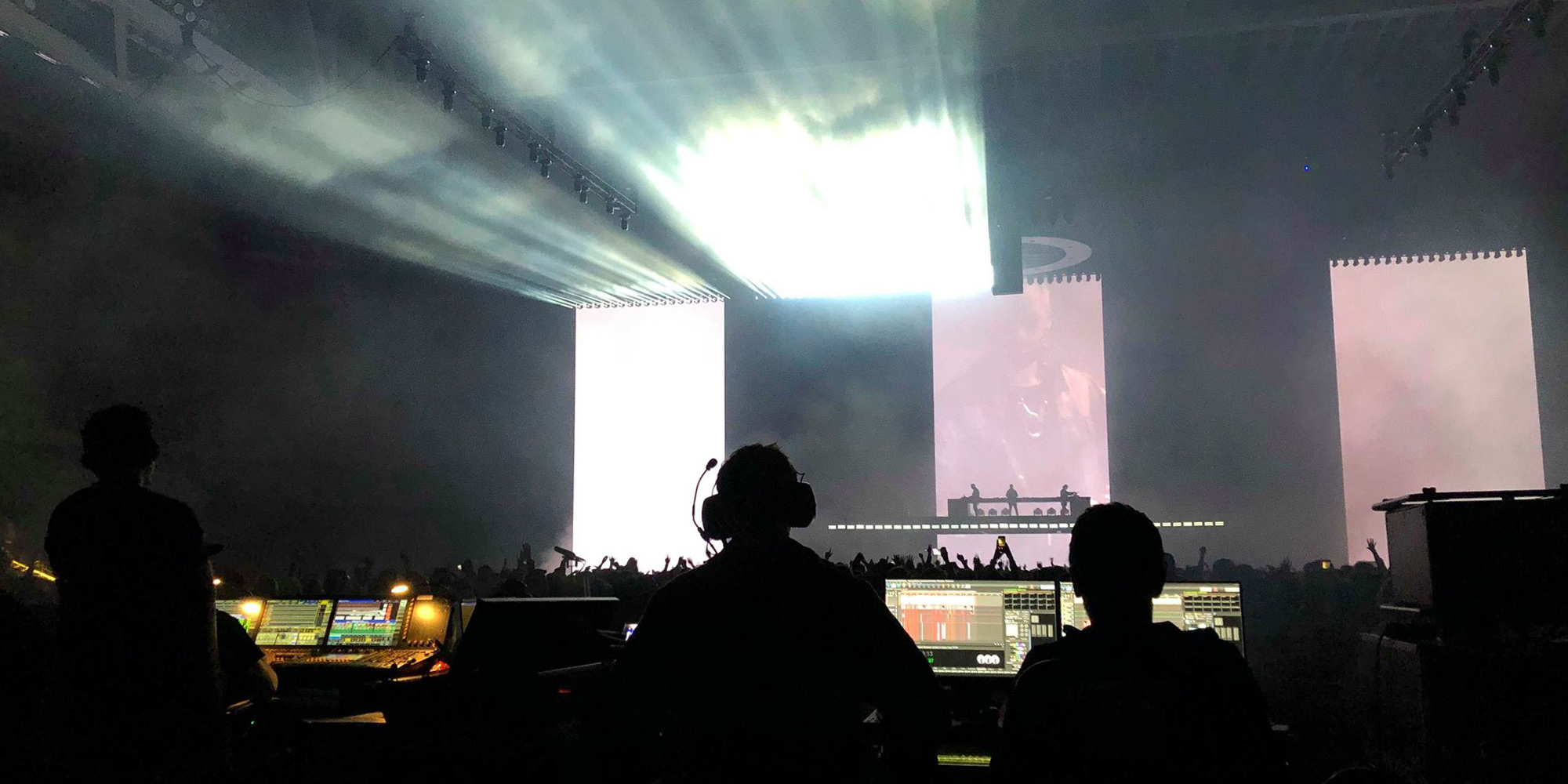
The profile of a lighting designer has changed over the years. Not only do you need to be a luminaire expert and a creative soul, but you also have to know a bit of code to produce a show like this. Data knowledge within lighting technology has developed quite rapidly in recent years. The lighting designers need to know how to code and program lighting, in the same way as one code and program a website. This, so that all the luminaires are assigned to know what to do. Above all, the possibility to control different light units has increased. Every unit in the show is connected, and needs more power and fibre to send faster signals to and from the luminaires.
- There cannot be a weak connection, during the show – that would make all my cues late or effect the flow of the show, says Hesse. A strong connection to all processors is key, so we have a dedicated network-guru working on set just with this. We control the luminaire down to pixel level, and it drives a lot of data.
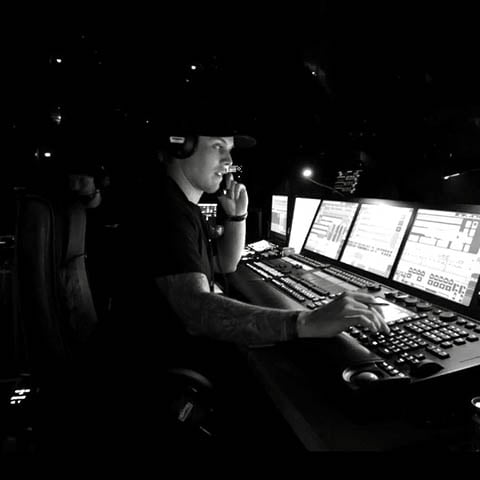 "My goal is that the audience will bring something with them home, a feeling that lingers on. If you get the audience moved to tears – that’s when you have succeeded." Alexander Hesse, Lighting designer and Director
Emotions in motion
In order to get inspiration for different elements and settings, Alexander sometimes searches for new influences in another field of lighting.
- I live in Gothenburg, Sweden, and I visit the Opera from time to time, go to art galleries and check out underground raves, says Alexander. They all have a great way of working with light. When you work with electronic dance music, the light is often facing out into the audience. In the theatre or live bands, the light is a part of the artist/stage in another sense. I try to absorb these things, and I always try to think – how can I adapt this to a show? How can I capture different feelings, modes and scenses?
The goal of a production is always to leave something behind. To make it live a little longer.
- I always want to produce that creative moment when the audience is touched, says Hesse. Music affects you, but if you at the same time see something while you listen to music, it adds an extra dimension. The ambition is not to just build a big night club. My goal is for the audience to take something home with them, a feeling that lingers and stays with them. if you get the audience moved to tears – that’s when you have succeeded.
For more visuals from the show, please visit swedishhousemafia.
Relaterade nyheter

Omvänt mentorskap: ”Allt ledarskap handlar om människor”
Under det senaste halvåret har sexton ledare från bolag i Jönköpings län haft varsin mentor via programmet Omvänt Mentorskap. Det som gör det just »omvänt« är att mentorerna är yngre och i början av sina yrkeskarriärer medan adepterna är mer seniora. Kristoffer Emanuelsson, produktionschef på Fagerhult, och Maria Liljeqvist, enhetschef inom hemtjänst i Jönköpings kommun, är ett av mentorsparen. Hej Maria och Kristoffer! Nu är Omvänt mentorskap över, vad har ni haft fokus på i ert samarbete?Kristoffer: ”Vi har inte haft några specifika mål utan har reflekterat och pratat, och så har Maria kommit med inspel på hur jag kan tänka i min vardag.”Maria: ”Jag tycker vi har haft en tydlig tråd där vi utgått från Kristoffers frågeställningar och reflekterat kring dem.” Kristoffer, var det något särskilt som du ville lyfta – och som du tar med dig? ”Jag ville fokusera på hur jag kan engagera kollegor och vi landade i flera diskussioner kring feedback. Det är lätt att fastna i det klassiska »Bra jobbat!« men det kan behövas lite mer utvecklande kommunikation och det vill jag bli bättre på gentemot mina närmaste medarbetare.” Maria flikar in: ”Jag sa till Kristoffer; du får inte säga »Bra jobbat!« om du inte också utvecklar vad som gjordes bra. Det är så lätt att fastna där.” Omvänt mentorskap 1 Att bryta invanda mönster är kan vara en utmaning, hur har det känts att kliva utanför komfortzonen? Kristoffer: ”Redan vid anmälan så bestämde jag mig för att ge detta en verklig chans. Annars är det ju ingen idé! Jag tycker det är viktigt att poängtera att det till stor del hänger på ens egen inställning. Att man verkligen vill, och vågar vara lite obekväm. Vi har haft bra diskussioner och samtidigt väldigt roligt, och det är ju alltid viktigt.” Maria: ”Jag tycker Kristoffer har varit modig och vågat testa de metoder vi diskuterat. Det har gjort att vi hela tiden kommit vidare.” Maria, har du lärt dig något som du tar med dig – utöver din roll som mentor? Maria: ”Ja, absolut! Det är så tydligt, att även om vi jobbar i väldigt olika miljöer så handlar ledarskapet alltid om människor och individer, och hur vi leder dem. Det är en värdefull insikt. Dessutom har vi haft roligt, och jag har stärkts i min egen roll som ledare genom att ha en senior ledare som lyssnar, tar till sig och provar mina idéer och tankar om ledarskap.” Ni jobbar i vitt skilda branscher, har olika lång ledarerfarenhet och är nya bekantskaper för varandra – vad tar ni med er från det? Maria: ”Vi är ganska olika som personer, och det har varit intressant att reflektera kring det i olika scenarier och hur det påverkar ledarskapet. Vi har lärt oss mycket av varandra.” Kristoffer: ”Jag tycker det är viktigt att vara öppen med sina brister, och samtidigt våga tänka nytt. Och kanske lägga eventuella skillnader kring hur länge man har varit ledare eller ålder åt sidan – och fokusera på att själva samtalet ska bli bra. Maria har ställt en del tuffare frågor där jag känt mig lite obekväm, men det har fått mig att ifrågasätta gamla vanor och varför jag gör saker på ett visst sätt. Det har hon gjort väldigt bra.” Kristoffer, utifrån ditt perspektiv som adept – hur ser du på Omvänt mentorskap? ”Inledningsvis kändes det lite obekvämt, men jag tycker man ska ta chansen att söka. Jag kan verkligen rekommendera det. Att ha en mentor var intressant, och det omvända mentorskapet tycker jag var väldigt givande. Att ta sig tid för reflektion med någon som inte har koppling till min vardag öppnar för andra funderingar och frågor. Vi kommer absolut försöka hålla kontakten.”