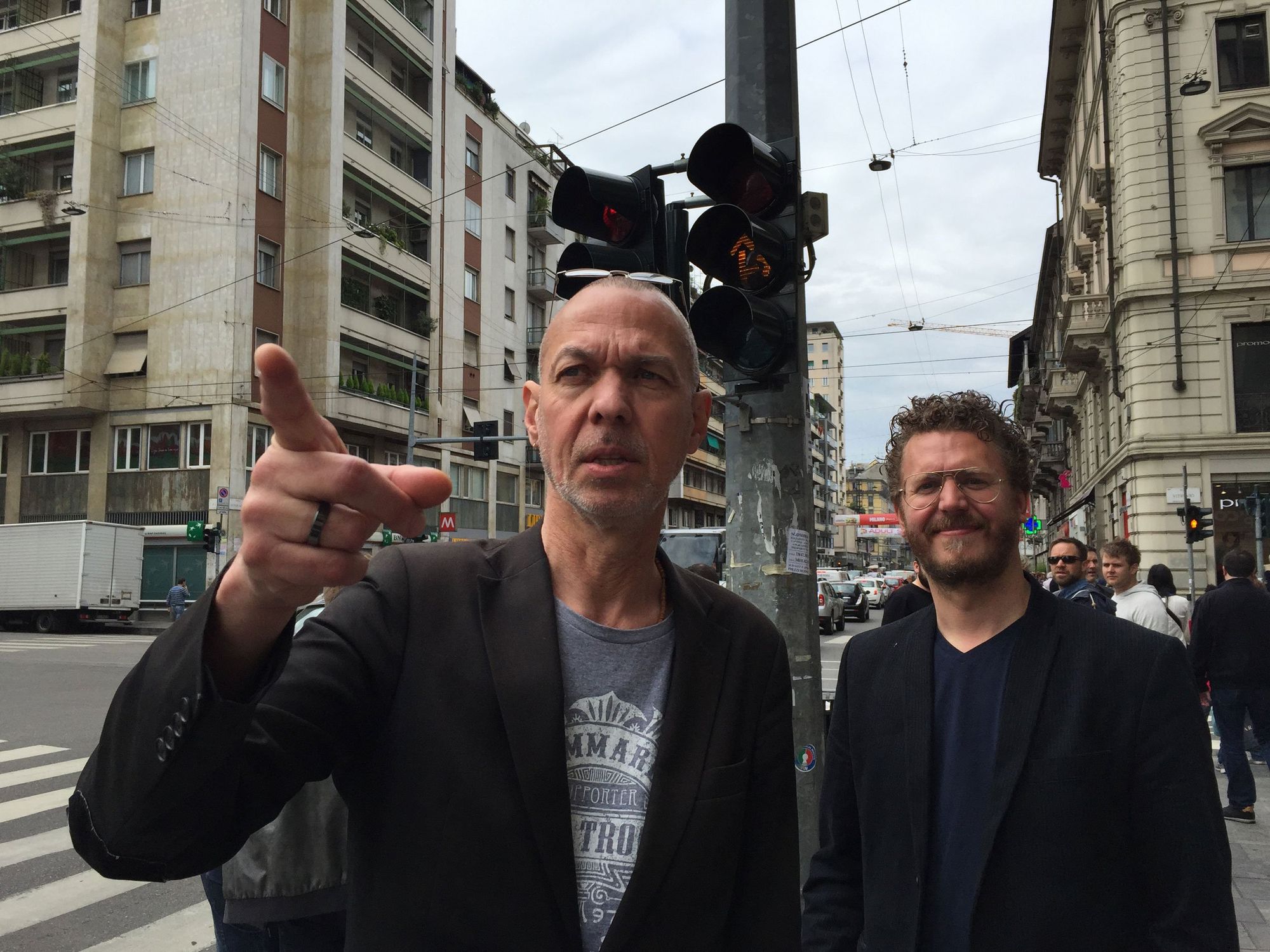
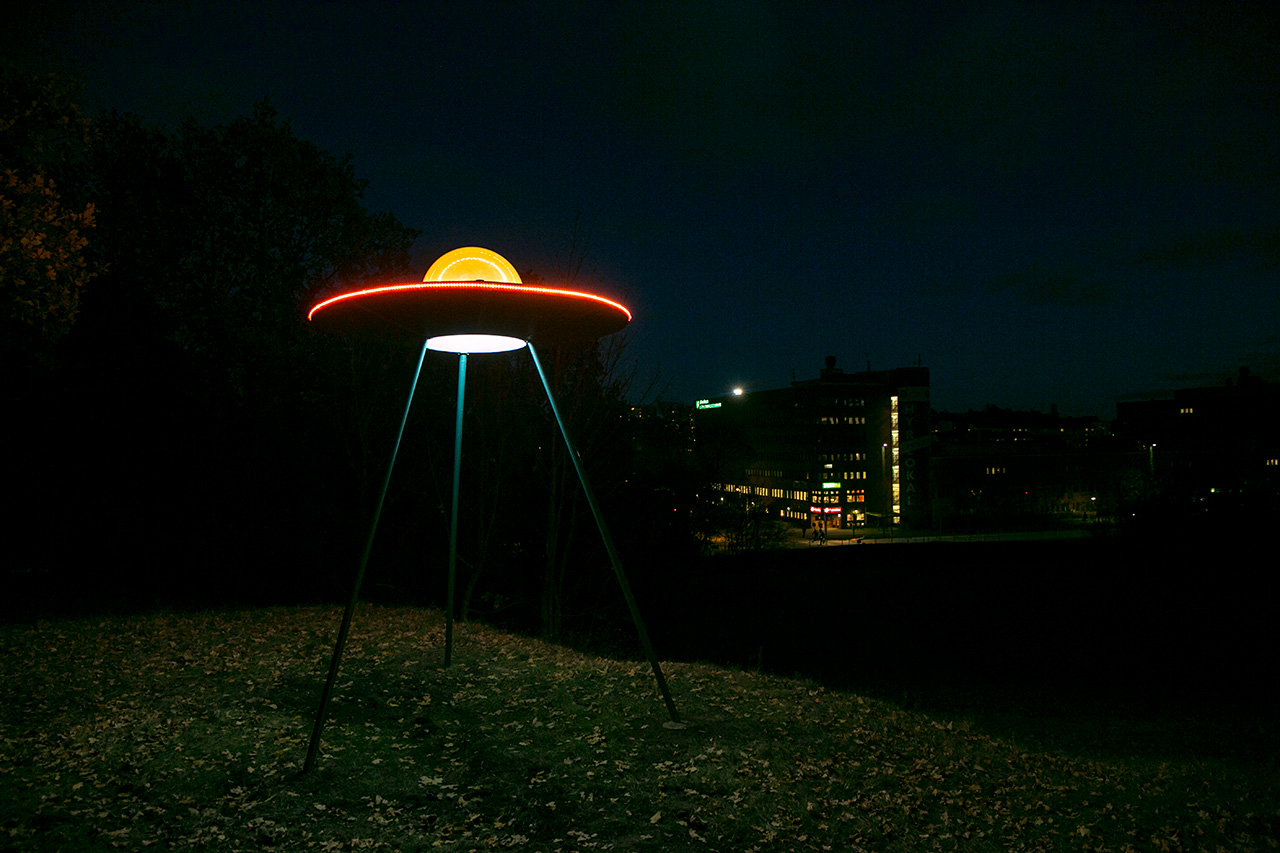
With an extensive experience from a range of projects – primarily in various types of outdoor environments and often created in a participatory process – Olsson & Linder are internationally recognized. They are also co-founders of the international organization Social Light Movement. Olsson & Linder was a part of the emerging lighting design movement of the late 1990's, but early on this dynamic duo chose not to focus on the type of architectural lighting that was predominant at the time.
 ”We love the idea of projecting the universe on the façade of a mosque, but its not our way of creating. To us, inspiration is born out of frustration” Jöran Linder
Porridge people
Erik Olsson and Jöran Linder met at the lighting design program at Jönköping University. Jöran was the educated artist born and raised in one of Stockholm's housing programs, Erik was the small town electrician to-be gone rogue.
"After exams our classmates started their own
businesses. We thought it was probably best to do the same", Erik laughs admitting that they're far from being sharp dressed businessmen.
"We want our projects to add inspiration and hope into people's everyday lives – and that means including them in the process. It may not be very effective when it comes to time management but we're okay with that as long as we can support our families. We're porridge people", Jöran adds.
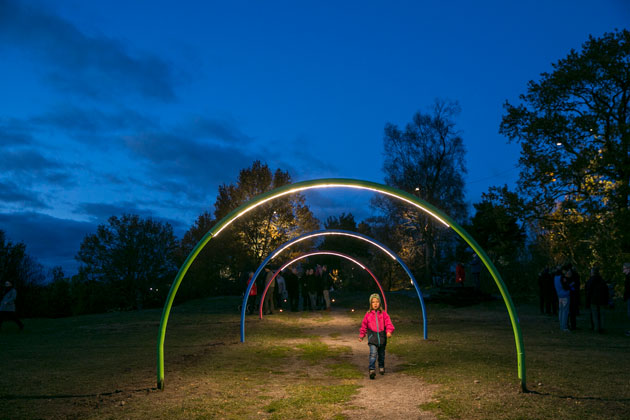
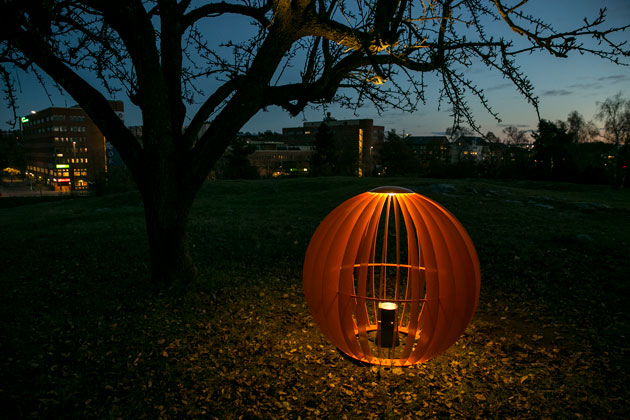
Crossing boundaries
Olsson & Linder have challenged traditional boundaries, moving freely between art and lighting design.
"Everything we do is about crossing boundaries. The boundaries between light and darkness and the boundaries between different places", says Erik.
"In daylight, everything's quite simple. When it gets dark boundaries are blurred, environments change and are experienced in a totally different way. People act different. Suddenly it is not that obvious who is responsible for the lighting environment. The community, the proprietor – or someone else?"
"We tend to focus too much on the inside of borders, ignoring the context", Jöran states.
"It is quite common that a community starts up an ambitious project, like renovating a park. But you can spend all the money on swings and slides: it won't work if you don't take the context into consideration. If you ignore the fact that the park is next to a run down area it will not be used anyway."
People, not places
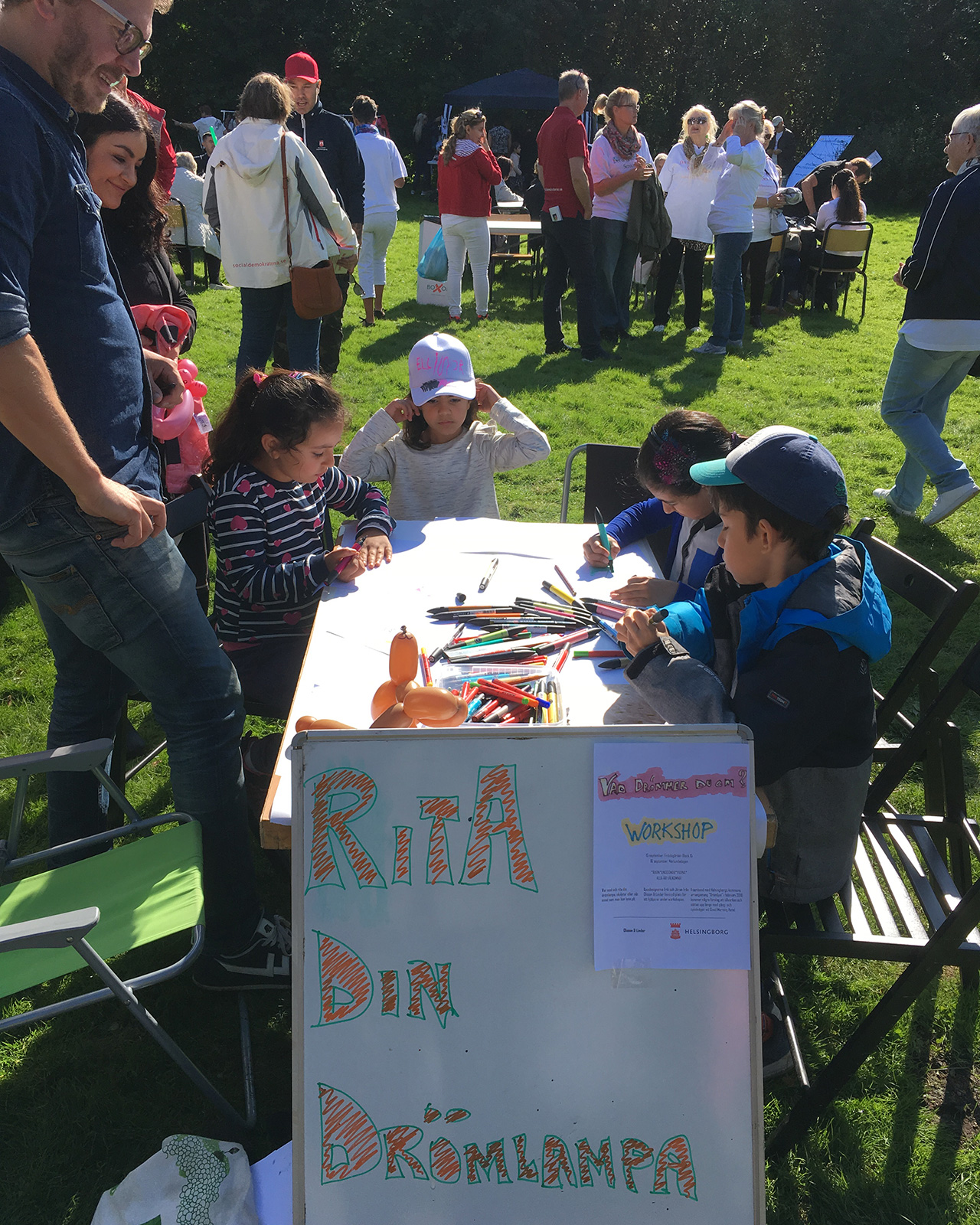
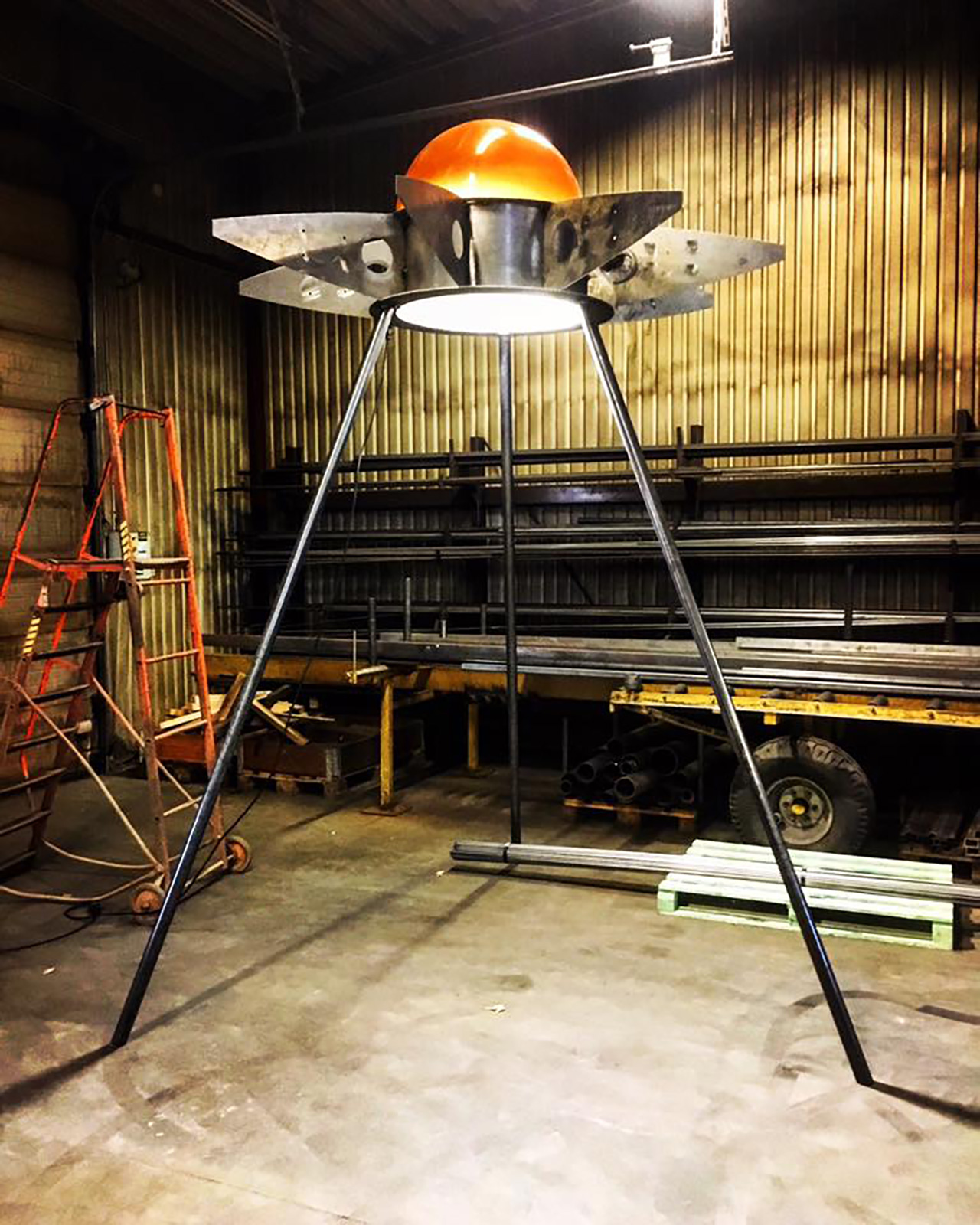
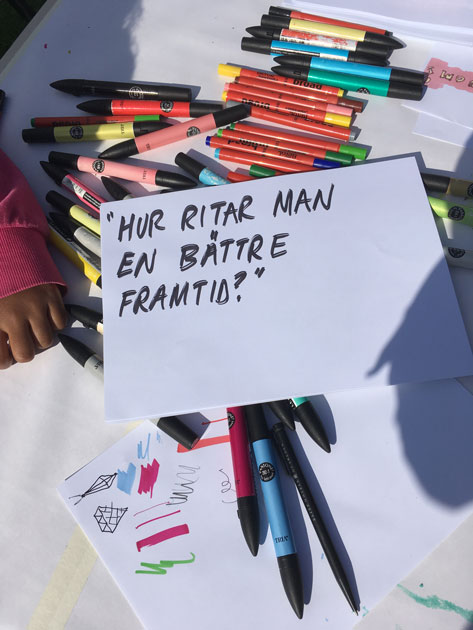
The key insight to practitioners of Social Lighting is that it is all about the people – not the places. In their projects, Olsson & Linder like to include the residents in the design process.
"It's important to identify the key individuals. We spend a lot of time to get to know people in the neighbourhood, visiting schools and youth recreations centers. For example, when doing a project in the Stockholm suburb Alby, we met a group of teenage girls committed to dancing and hip-hop. We invited them to the project and they instantly became the bridge between the projects' different interests. It all turned out great", Jöran smiles.
Another striking example is Olsson & Linder's project in a declined Liverpool housing complex. It was only intended to be a temporary lighting project but most of the involved were still convinced that it would be trashed immediately.
Erik and Jöran refused dejection and started to walk the neighbourhood, chatting with people and getting to know them. They also visited the local school, telling about their project, involving the kids in their design.
"You don't break family things, do you? Knowing their siblings had been involved in the process, the vandals never touched the lighting installation", Eric explains.
”Everything we do is about crossing boundaries. The boundaries between light and darkness and the boundaries between different places” Erik Olsson
Getting shit done
The important thing is to get things done.
"Lighting planning projects are often made too complicated, one tend to think that everything has to be perfect, spending oceans of time making Excel-files and reports. Then the budget is spent on new luminaires that won't be replaced in several decades. But sometimes it's better to do something temporarily that offers fast change and lifts the neighbourhood", says Jöran.
"We're not the sniper type of guys – lying on a roof top forever, waiting to identify a target. We like it cowboy-style. We look, we aim and we make it happen."
A global concern
Time has proved them right. In 2015 Olsson & Linder were recognized two prestigious awards: the Royal College of Art London "Innovation in Inclusive Design Practice "and the Bertil & Britt Svensson Foundation's Great Merit Award – the latter a legacy of the Fagerhult founder Bertil Svensson.
"To us, the Svensson Great Merit Award was an important recognition. The jury thought we had helped to change the industry. A great honour but also a sign that the times they are a changin", Eric says.
Jöran concludes that the concept of Social Lighting is of global concern:
"We've been lecturing on the subject all over the world and we always get positive responses. It doesn't matter if you do a Social Lighting project in Stockholm, Brazil or Istanbul – the challenges are pretty much the same."
Never forget that every place, how unfamiliar it might seem to you, is someone's home.
Relaterade nyheter

Omvänt mentorskap: ”Allt ledarskap handlar om människor”
Under det senaste halvåret har sexton ledare från bolag i Jönköpings län haft varsin mentor via programmet Omvänt Mentorskap. Det som gör det just »omvänt« är att mentorerna är yngre och i början av sina yrkeskarriärer medan adepterna är mer seniora. Kristoffer Emanuelsson, produktionschef på Fagerhult, och Maria Liljeqvist, enhetschef inom hemtjänst i Jönköpings kommun, är ett av mentorsparen. Hej Maria och Kristoffer! Nu är Omvänt mentorskap över, vad har ni haft fokus på i ert samarbete?Kristoffer: ”Vi har inte haft några specifika mål utan har reflekterat och pratat, och så har Maria kommit med inspel på hur jag kan tänka i min vardag.”Maria: ”Jag tycker vi har haft en tydlig tråd där vi utgått från Kristoffers frågeställningar och reflekterat kring dem.” Kristoffer, var det något särskilt som du ville lyfta – och som du tar med dig? ”Jag ville fokusera på hur jag kan engagera kollegor och vi landade i flera diskussioner kring feedback. Det är lätt att fastna i det klassiska »Bra jobbat!« men det kan behövas lite mer utvecklande kommunikation och det vill jag bli bättre på gentemot mina närmaste medarbetare.” Maria flikar in: ”Jag sa till Kristoffer; du får inte säga »Bra jobbat!« om du inte också utvecklar vad som gjordes bra. Det är så lätt att fastna där.” Omvänt mentorskap 1 Att bryta invanda mönster är kan vara en utmaning, hur har det känts att kliva utanför komfortzonen? Kristoffer: ”Redan vid anmälan så bestämde jag mig för att ge detta en verklig chans. Annars är det ju ingen idé! Jag tycker det är viktigt att poängtera att det till stor del hänger på ens egen inställning. Att man verkligen vill, och vågar vara lite obekväm. Vi har haft bra diskussioner och samtidigt väldigt roligt, och det är ju alltid viktigt.” Maria: ”Jag tycker Kristoffer har varit modig och vågat testa de metoder vi diskuterat. Det har gjort att vi hela tiden kommit vidare.” Maria, har du lärt dig något som du tar med dig – utöver din roll som mentor? Maria: ”Ja, absolut! Det är så tydligt, att även om vi jobbar i väldigt olika miljöer så handlar ledarskapet alltid om människor och individer, och hur vi leder dem. Det är en värdefull insikt. Dessutom har vi haft roligt, och jag har stärkts i min egen roll som ledare genom att ha en senior ledare som lyssnar, tar till sig och provar mina idéer och tankar om ledarskap.” Ni jobbar i vitt skilda branscher, har olika lång ledarerfarenhet och är nya bekantskaper för varandra – vad tar ni med er från det? Maria: ”Vi är ganska olika som personer, och det har varit intressant att reflektera kring det i olika scenarier och hur det påverkar ledarskapet. Vi har lärt oss mycket av varandra.” Kristoffer: ”Jag tycker det är viktigt att vara öppen med sina brister, och samtidigt våga tänka nytt. Och kanske lägga eventuella skillnader kring hur länge man har varit ledare eller ålder åt sidan – och fokusera på att själva samtalet ska bli bra. Maria har ställt en del tuffare frågor där jag känt mig lite obekväm, men det har fått mig att ifrågasätta gamla vanor och varför jag gör saker på ett visst sätt. Det har hon gjort väldigt bra.” Kristoffer, utifrån ditt perspektiv som adept – hur ser du på Omvänt mentorskap? ”Inledningsvis kändes det lite obekvämt, men jag tycker man ska ta chansen att söka. Jag kan verkligen rekommendera det. Att ha en mentor var intressant, och det omvända mentorskapet tycker jag var väldigt givande. Att ta sig tid för reflektion med någon som inte har koppling till min vardag öppnar för andra funderingar och frågor. Vi kommer absolut försöka hålla kontakten.”