
The purpose of Maja Munksgaard Danborg and Mariliis Kundla’s thesis was to create a better understanding of the different functions in libraries and how comfortable and inviting lighting can be used to enhance the feeling of personal space. In close collaboration with the community library in the Swedish town of Falkenberg, they have identified four inspiring activity zones for the contemporary library.
The Evolving Library
The digital revolution has made the library a dynamic place of creating and exchanging information, not merely a place of storage and retrieving. ”A library has been, and will continue to be, a rather private, focused and quiet place and we don’t think the development has brought that many changes to the library setting per se. But of course, electronic means of communication need a different lighting approach, for example being aware of the direction of the light source in order to avoid glare on the screens and the need of more power sockets in the room. Nonetheless, the expectations for the quiet, library mentality stays the same. It doesn’t matter if you are researching by going through a pile of books or on the laptop”, says Mariliis Kundla.
However, the 21st century library has evolved into more of a cultural house, expanding with the activities available in the library. This brings the general well-being of the visitors into focus, as modern libraries need to be more adaptable and conscious of the lighting, as well as other health affecting factors. The expansion of the many different activities and variety of visitors of many ages and backgrounds forces the new library spaces to take on an extensive change. From a lighting perspective, it is important to move forward from the trend of lighting the space up in a uniform manner, Mariliis muses:
”Or as Traci Engel Lesneski, Chairman of The Inter Federation of Library Associations and Institutions, puts it: ‘Lighting for the task is key: simply flooding library buildings in a one-size-fits-all approach of even lighting is no longer acceptable.’ The more personalised approach to lighting also means more sustainability – being smarter with the daylight usage, using sensors and smaller light sources has a lot of potential for more efficient energy usage.“
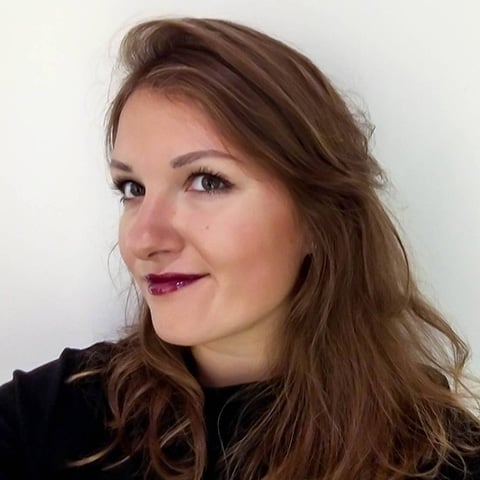 "The more personalised approach to lighting also means more sustainability." Mariiliis Kundla, Lighting designer/audio-visual producer at Vertigo ApS in Copenhagen
Four activity zones
Planning to build a new library in Falkenberg, the Region of Halland was interested in finding out how human-centric lighting can be used to attract and keep visitors, offering the existing library as a research object. As part of their investigation, Danborg and Kundla have made interviews, conducted investigations and tests in a close dialogue with the librarians. Results can be used as a platform when planning the new library building.
”Our idea was to create different activity zones for different purposes, experiences and functions within the library space; the work zone, the play zone, the cave zone and the chat zone. This would allow the visitors to find a more personal space and still be able to coexist with each other while performing different tasks”, Maja explains.
The zones were formed after visiting different libraries and observing the behaviour of the visitors, finding that every zone did not appeal to all users. For example, you would not normally see children or elders using the work zone, were the study area, computers and reading tables were located.
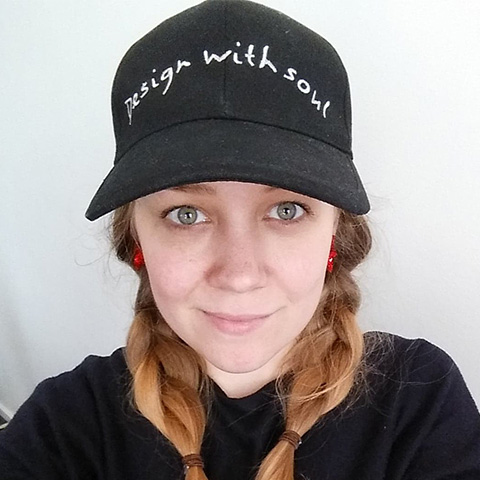 "Our idea was to create different activity zones for different purposes, experiences and functions within the library [...]. This would allow the visitors to find a more personal space and still be able to coexist with each other while performing different tasks" Maja Danborg, Freelance lighting consultant in retail
Successful Tests
To support the lighting solutions of the zones, two different lighting tests were conducted. One lab test in the Light Lab of Aalborg University and one field test at the library in Falkenberg, both tests using Fagerhult fixtures. The main goal of the lab test was to find out the preference of correlated colour temperature of different age groups – children, young adults, adults, elderly – for ambient and task light in all four activity zones.
”For the field test, we created four light presets for every activity zone with the purpose to investigate the visitor’s preferences. The settings included the four activity zones with furniture, a Samsung tablet with Casambi application and four fixed light presets, and a total of 15 Fagerhult Marathon White Tunable fixtures”, Maja explains: ”
We found out that the overall most liked preset was ‘play preset’ meaning that the 3600 Kelvin lighting in both ambient and focus light was preferred, creating a golden medium. Concluding that if you don’t know what type of activity zone you are creating the middle ground 3500-4000 Kelvin will be preferred by most people and then the intensity and direction of the spot create the right feeling inside the space. Though, it is important to state that these zones cannot be created only with lighting. You need to work with all tools in the interior toolbox, like furniture, colour and textures to create the right experience within a zone.”
Holistic Approach
Maja and Mariliis hope that their research will contribute to more holistic lighting process.
”Implementing the lighting design into the earlier steps of the whole architectural process is essential. Currently, the focus is mostly on the amount and direction of natural daylight, while electric light has been secondary, coming into play later, often with quantity over quality. We’re hoping for somewhat of a revolution in this scene, with the LED technology becoming more easily approachable and people’s holistic needs more into focus”, says Mariliis: ”Our objective was to provide guidelines that have value both when constructing new libraries or cultural houses as well as when improving existing libraries.
As the four zones are already present in the existing libraries, the application could just be a matter of slight furniture reassignment and, of course, applying the light fixtures of correct positioning, CCT and brightness.” They believe that human-centered design is essential when discussing future libraries and public spaces in general. Libraries are evolving into more dynamic multifunctional cultural houses that need to be in sync with the constant flow of the wide visitor basis and their needs.
”There are and will be many different activities available in the future library: from studying, eating, resting and meeting friends to 3D printing, getting citizen advice, applying for a job or attending a lecture. Therefore, with the expansion of the physical spaces as well as the people flow and functions, meeting visitors’ needs has become more challenging but also more into focus, demanding for a more holistic experience of the library environment.”
The four activity zones of the contemporary library
1. Work zone
This is the zone were mostly young adults and adults are seen; a lot of students are using the library to study in groups or alone. The work zone has several different functions such as study areas, group work areas, reading tables and laptop/screen areas. The experience of this zone should be similar to an office environment and create feelings of focus, calm and inspiration.
2. Cave zone
This is the zone where the visitors can engage in relaxing functions and be by themselves, listen to music, read or just spend time. The cave zone is a relaxing space where you can create your personal bubble without being interrupted by noise or other visitors. This zone can be used by visitor groups and should generate feelings of comfort, safety and privacy.
3. Play zone
This is a more playful zone with children's area, youth and gaming section. This environment should spark inspiration and enhance feelings of playfulness, curiosity and innovation.
4. Chat zone
This is the zone where visitors can sit down and chat, for example a lounge area. This area should inspire people to talk freely and relax with others and the interior and lighting should create feelings of comfort and privacy.
Relaterade nyheter

Omvänt mentorskap: ”Allt ledarskap handlar om människor”
Under det senaste halvåret har sexton ledare från bolag i Jönköpings län haft varsin mentor via programmet Omvänt Mentorskap. Det som gör det just »omvänt« är att mentorerna är yngre och i början av sina yrkeskarriärer medan adepterna är mer seniora. Kristoffer Emanuelsson, produktionschef på Fagerhult, och Maria Liljeqvist, enhetschef inom hemtjänst i Jönköpings kommun, är ett av mentorsparen. Hej Maria och Kristoffer! Nu är Omvänt mentorskap över, vad har ni haft fokus på i ert samarbete?Kristoffer: ”Vi har inte haft några specifika mål utan har reflekterat och pratat, och så har Maria kommit med inspel på hur jag kan tänka i min vardag.”Maria: ”Jag tycker vi har haft en tydlig tråd där vi utgått från Kristoffers frågeställningar och reflekterat kring dem.” Kristoffer, var det något särskilt som du ville lyfta – och som du tar med dig? ”Jag ville fokusera på hur jag kan engagera kollegor och vi landade i flera diskussioner kring feedback. Det är lätt att fastna i det klassiska »Bra jobbat!« men det kan behövas lite mer utvecklande kommunikation och det vill jag bli bättre på gentemot mina närmaste medarbetare.” Maria flikar in: ”Jag sa till Kristoffer; du får inte säga »Bra jobbat!« om du inte också utvecklar vad som gjordes bra. Det är så lätt att fastna där.” Omvänt mentorskap 1 Att bryta invanda mönster är kan vara en utmaning, hur har det känts att kliva utanför komfortzonen? Kristoffer: ”Redan vid anmälan så bestämde jag mig för att ge detta en verklig chans. Annars är det ju ingen idé! Jag tycker det är viktigt att poängtera att det till stor del hänger på ens egen inställning. Att man verkligen vill, och vågar vara lite obekväm. Vi har haft bra diskussioner och samtidigt väldigt roligt, och det är ju alltid viktigt.” Maria: ”Jag tycker Kristoffer har varit modig och vågat testa de metoder vi diskuterat. Det har gjort att vi hela tiden kommit vidare.” Maria, har du lärt dig något som du tar med dig – utöver din roll som mentor? Maria: ”Ja, absolut! Det är så tydligt, att även om vi jobbar i väldigt olika miljöer så handlar ledarskapet alltid om människor och individer, och hur vi leder dem. Det är en värdefull insikt. Dessutom har vi haft roligt, och jag har stärkts i min egen roll som ledare genom att ha en senior ledare som lyssnar, tar till sig och provar mina idéer och tankar om ledarskap.” Ni jobbar i vitt skilda branscher, har olika lång ledarerfarenhet och är nya bekantskaper för varandra – vad tar ni med er från det? Maria: ”Vi är ganska olika som personer, och det har varit intressant att reflektera kring det i olika scenarier och hur det påverkar ledarskapet. Vi har lärt oss mycket av varandra.” Kristoffer: ”Jag tycker det är viktigt att vara öppen med sina brister, och samtidigt våga tänka nytt. Och kanske lägga eventuella skillnader kring hur länge man har varit ledare eller ålder åt sidan – och fokusera på att själva samtalet ska bli bra. Maria har ställt en del tuffare frågor där jag känt mig lite obekväm, men det har fått mig att ifrågasätta gamla vanor och varför jag gör saker på ett visst sätt. Det har hon gjort väldigt bra.” Kristoffer, utifrån ditt perspektiv som adept – hur ser du på Omvänt mentorskap? ”Inledningsvis kändes det lite obekvämt, men jag tycker man ska ta chansen att söka. Jag kan verkligen rekommendera det. Att ha en mentor var intressant, och det omvända mentorskapet tycker jag var väldigt givande. Att ta sig tid för reflektion med någon som inte har koppling till min vardag öppnar för andra funderingar och frågor. Vi kommer absolut försöka hålla kontakten.”