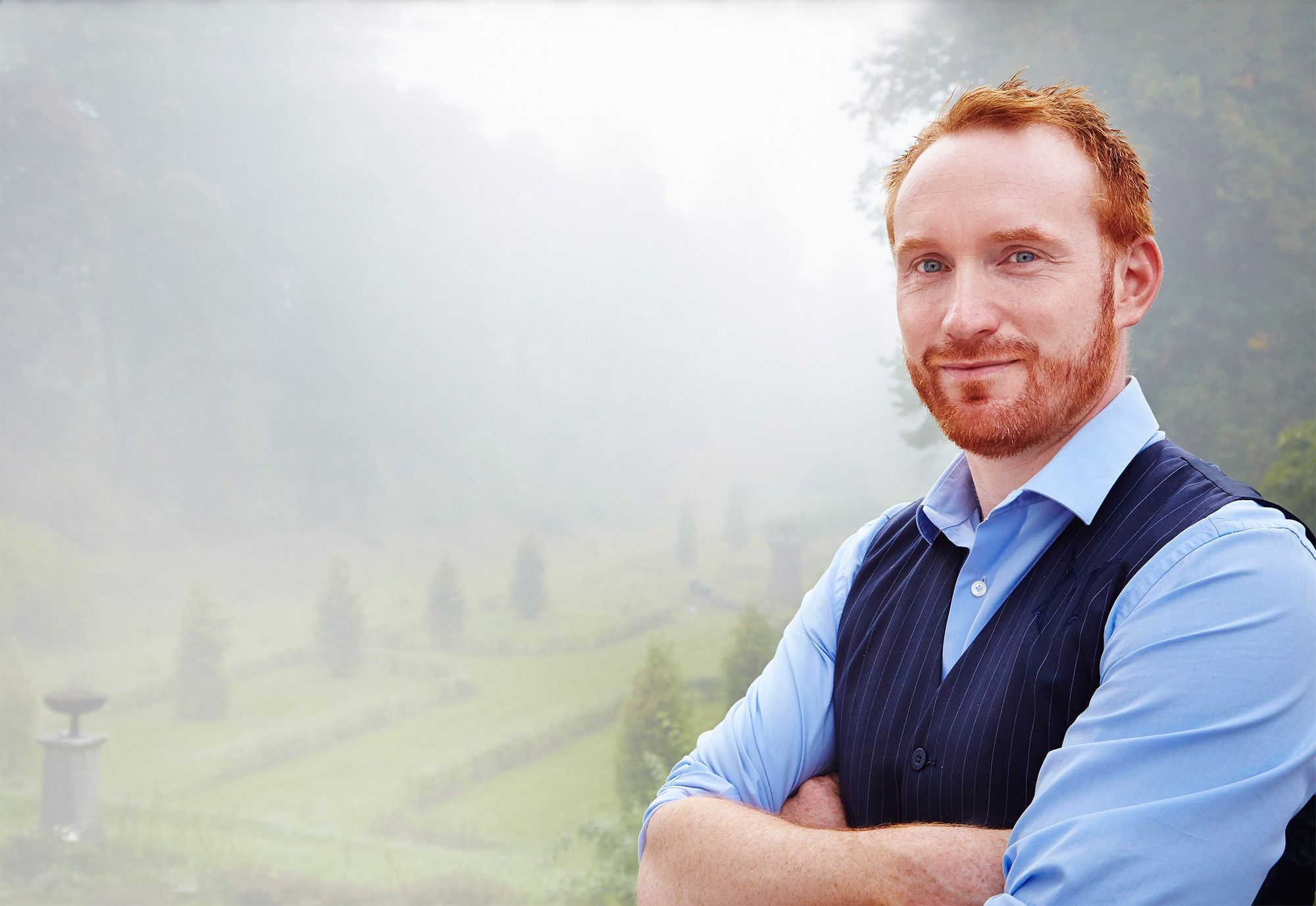
12 people. That’s the largest group that presentation expert David Phillips is prepared to allow in his state of the art conference room.
“It’s scientifically proven. An effective meeting has to be held in a relatively small group for maximum benefit.”
He surely knows his game. As one of Sweden’s most successful lecturers in modern presentation techniques he’s had his share of sad conference settings.
“It’s heart breaking. Most conference facilities tend to invest a lot in accommodation, food and wine, but the conference room – where it’s actually happening – is often terribly abused. Flickering, yellow light, insufficient ventilation, humming video-projectors and bad air conditioning… I could go on and on… Considering the amount of money that companies and organisations spend on conferences, it's a waste of capital.”
One is all you need
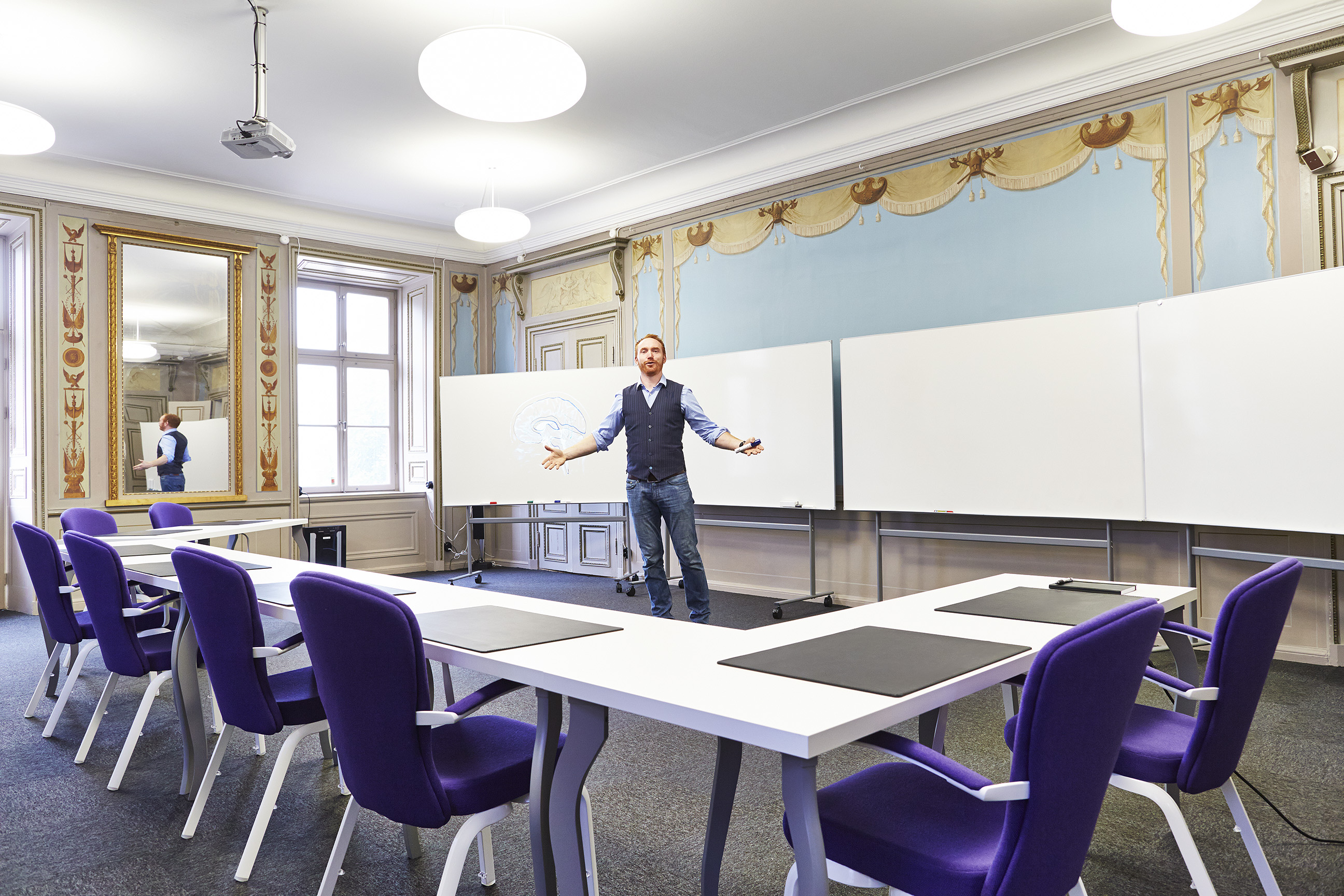
Living by the motto “life’s too short for bad presentations”, David decided to do something about it. After acquiring Tersmedenska, a 1700-manor house in Ramnäs, north west of Stockholm, David set on a crusade to create the world’s best conference room. Combining research with interviews and his own experiences, he narrowed the list of requirements down to 25 bullets including lighting, ventilation, layout, technical aids and furnishing.
The result is a unique conference heaven, neatly packed as if featured in a lifestyle interiors magazine. And – there can be only one. With one conference room, there are no disturbances from other conference rooms or participants. People are allowed to focus on the one and only thing; the presenter.
Avoiding death by power point
“Far too often, the power point presentation is mistaken to be the main character. But it is always the presenter who should play the leading role. That’s why it’s a good idea to spend some money to educate the presenter before putting him or her in a situation where they are expected to make the whole conference a success.”
“I often compare a presentation to a holiday by car. If you’re not a confident driver you’ll end up driving 20 kilometres per hour, never reaching your destination and irritating your passengers. But if you know how to drive, you can drive faster, reach your destination as planned and have a good time on the road.”
In the perfect conference room the presenter gets all attention, placed on the long side of the table. He’s supported by the latest technical equipment three cameras for coaching sessions in presentation skills and dual projectors – supplemented by four whiteboards. But most important of all: the whole room is designed to keep the audience awake. A room of 65 square metres and 4,5 metres ceiling height give each participant 192 cubic metres of air to intake. The room is ventilated and air conditioned to perfect conditions and an activated carbon filter keeps the air clean and fresh.
 "You know the feeling of goose bumps when listening to music? That’s the feeling you want to create in the conference room!" David Phillips, communication expert
The lighting is carefully planned according to intensity and colour; stimulating the production of cortisol and the feeling of alertness. Several lighting scenarios are prepared and can easily be managed by the presenter. David’s also invested in a Danish sound system with the potential to make a real impression.
“That’s the kind of luxury you can afford when you only have one conference room and don’t have to consider disturbing other guests. Music has great potential in learning situations. Music, especially the bass, releases dopamine, making you feel comfortable and alert at the same time."
God is in the details
The icing on the cake? Thick leather clipboards and specially designed leather notepads with one hundred generous pages to make notes on. An exclusive give away that you won’t forget to bring home once the conference is over. Details are more important than one might think, says David who personally has chosen the expensive ballpoint pens and the perfect chairs (after three years of test-sitting). “Another detail, that actually make the whole difference, is the rural setting. Right outside the conference room is a 200 square meter terrace, indulging the senses with the sound of trickling water and birdsong. According to research, your learning ability decreases by 15 % in urban environments. Despite powerpoint, we’re still stone age people.”
Relaterade nyheter

Omvänt mentorskap: ”Allt ledarskap handlar om människor”
Under det senaste halvåret har sexton ledare från bolag i Jönköpings län haft varsin mentor via programmet Omvänt Mentorskap. Det som gör det just »omvänt« är att mentorerna är yngre och i början av sina yrkeskarriärer medan adepterna är mer seniora. Kristoffer Emanuelsson, produktionschef på Fagerhult, och Maria Liljeqvist, enhetschef inom hemtjänst i Jönköpings kommun, är ett av mentorsparen. Hej Maria och Kristoffer! Nu är Omvänt mentorskap över, vad har ni haft fokus på i ert samarbete?Kristoffer: ”Vi har inte haft några specifika mål utan har reflekterat och pratat, och så har Maria kommit med inspel på hur jag kan tänka i min vardag.”Maria: ”Jag tycker vi har haft en tydlig tråd där vi utgått från Kristoffers frågeställningar och reflekterat kring dem.” Kristoffer, var det något särskilt som du ville lyfta – och som du tar med dig? ”Jag ville fokusera på hur jag kan engagera kollegor och vi landade i flera diskussioner kring feedback. Det är lätt att fastna i det klassiska »Bra jobbat!« men det kan behövas lite mer utvecklande kommunikation och det vill jag bli bättre på gentemot mina närmaste medarbetare.” Maria flikar in: ”Jag sa till Kristoffer; du får inte säga »Bra jobbat!« om du inte också utvecklar vad som gjordes bra. Det är så lätt att fastna där.” Omvänt mentorskap 1 Att bryta invanda mönster är kan vara en utmaning, hur har det känts att kliva utanför komfortzonen? Kristoffer: ”Redan vid anmälan så bestämde jag mig för att ge detta en verklig chans. Annars är det ju ingen idé! Jag tycker det är viktigt att poängtera att det till stor del hänger på ens egen inställning. Att man verkligen vill, och vågar vara lite obekväm. Vi har haft bra diskussioner och samtidigt väldigt roligt, och det är ju alltid viktigt.” Maria: ”Jag tycker Kristoffer har varit modig och vågat testa de metoder vi diskuterat. Det har gjort att vi hela tiden kommit vidare.” Maria, har du lärt dig något som du tar med dig – utöver din roll som mentor? Maria: ”Ja, absolut! Det är så tydligt, att även om vi jobbar i väldigt olika miljöer så handlar ledarskapet alltid om människor och individer, och hur vi leder dem. Det är en värdefull insikt. Dessutom har vi haft roligt, och jag har stärkts i min egen roll som ledare genom att ha en senior ledare som lyssnar, tar till sig och provar mina idéer och tankar om ledarskap.” Ni jobbar i vitt skilda branscher, har olika lång ledarerfarenhet och är nya bekantskaper för varandra – vad tar ni med er från det? Maria: ”Vi är ganska olika som personer, och det har varit intressant att reflektera kring det i olika scenarier och hur det påverkar ledarskapet. Vi har lärt oss mycket av varandra.” Kristoffer: ”Jag tycker det är viktigt att vara öppen med sina brister, och samtidigt våga tänka nytt. Och kanske lägga eventuella skillnader kring hur länge man har varit ledare eller ålder åt sidan – och fokusera på att själva samtalet ska bli bra. Maria har ställt en del tuffare frågor där jag känt mig lite obekväm, men det har fått mig att ifrågasätta gamla vanor och varför jag gör saker på ett visst sätt. Det har hon gjort väldigt bra.” Kristoffer, utifrån ditt perspektiv som adept – hur ser du på Omvänt mentorskap? ”Inledningsvis kändes det lite obekvämt, men jag tycker man ska ta chansen att söka. Jag kan verkligen rekommendera det. Att ha en mentor var intressant, och det omvända mentorskapet tycker jag var väldigt givande. Att ta sig tid för reflektion med någon som inte har koppling till min vardag öppnar för andra funderingar och frågor. Vi kommer absolut försöka hålla kontakten.”