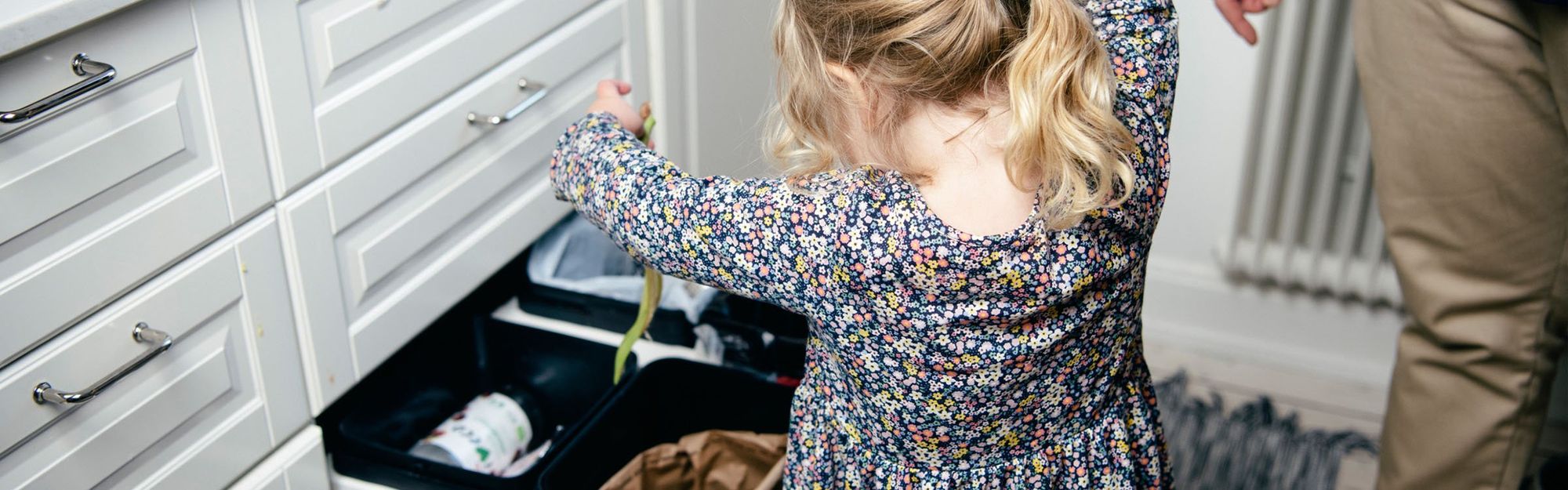
Make sustainable choices easy
Climate studies are showing that humans must change their behaviour by making more sustainable choices. Considering the consequences of global warming, the United Nations have identified 17 goals for a more sustainable future. The goals involve extinction of poverty, hunger, sickness and inequality, as well as promoting sustainable consumption, innovation and green energy.
Even though more information is provided, and new technology promoting energy efficiency is developed, statistics show that energy use in OECD countries will rise with 35 % by 2020 (UN 12th goal). Why are people still not making environmentally friendly choices to the extent that is necessary? The answer may, at least in part, lie within classic judgement psychology - humans are not fully rational in their decision making. That’s when they need a little nudge.
People, planet and profit
For the past decade Sweden-based nudging expert Katharina Paoli Brunat has been advocating a more sustainable way of living. In her work, as a public speaker and entrepreneur, she sees the possibilities to create a more sustainable future for all of us. We just need to see the options clearer.
- My passion is to empower people with hands on solutions that makes measurable impact, says Paoli Brunat. I believe we can have a more resource efficient, sustainable future where digitalisation, behavioural science and sustainability co-create and collaborate.
For Katharina Paoli Brunat’s sake, she took matter into her own hands by founding Nudgd, A Win Win World, Wildflower Group and EcoBride. She is also on several boards and work as a mentor, all with the same passion – to solve our biggest challenge for the future, a sustainable way of living by changing our behaviour.
- It is my opinion that people, planet and profit goes hand in hand towards the future, Paoli Brunat states. For that to happen, I believe that a collaboration between multiple stakeholders and a clear focus on action are essential, otherwise there will be no change.
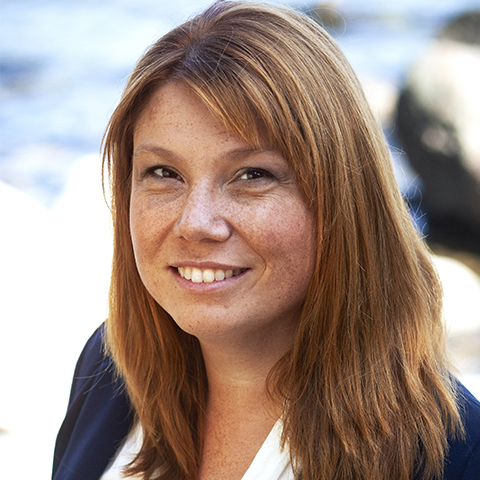 "I believe that a collaboration between multiple stakeholders and a clear focus on action are essential, otherwise there will be no change." Katharina Paoli Brunat, Nudging expert and Sustainability advisor, CEO of Nudgd
Nudge in a nutshell
What is nudging then? The term nudge, and nudging, gained popularity in 2008, when coined in a book by Cass R. Sunstein and Richard H. Thaler. In 2017, the latter was awarded the Sveriges Riksbank Prize in Economic Sciences in Memory of Alfred Nobel for his contribution to behavioural economics.
A nudge, in a behavioural context, refers to steering an individual’s behaviour in a given, desired direction; influencing their choices without removing other alternatives. It is a gentle push without legislation, carrots or/and sticks. Human behaviour is often irrational and can also be hard to predict. Nudging can therefor act as an instrument for influencing an individual’s behaviour and choices, in a more preferable way. If used successfully, you can increase a change in behaviour or attitude with nothing more than a gentle tweak and a soft touch.
Nudging is an effective tool for achieving a more sustainable world, and there are many nudging techniques that are proven efficient. Here are 5 nudging techniques that is used frequently with great results:
- A friendly reminder – in the right place, at the right time
- Framing – how the message is presented and by whom
- Social norms – compliance with the group
- Direct feedback – the impact of your actions shown immediately
- Visualisation – making it clear to see the benefit for me
- Without context, the concepts are perhaps hard to grasp – but here is an examples, says Paoli Brunat. In the case of social norms, we as humans like to compare ourselves with others, our group. Most people feel uncomfortable acting outside social norms and pleasant when they have a feeling of belonging. We also love to hear that we are better than average and tend to compare ourselves with others. A good example of wanting to be as good as your neighbour, or even better, was adapted by the power company Opower.
By presenting the customers private energy usage, as well as their neighbours, in their energy use home report they could see how much energy they were using, in relations to each other. This simple data, made visible in an easy way, triggered something in the users; a desire to be better than their next-door neighbour. The effect being that the energy usage of the customers dropped significantly.
Don’t stop believing
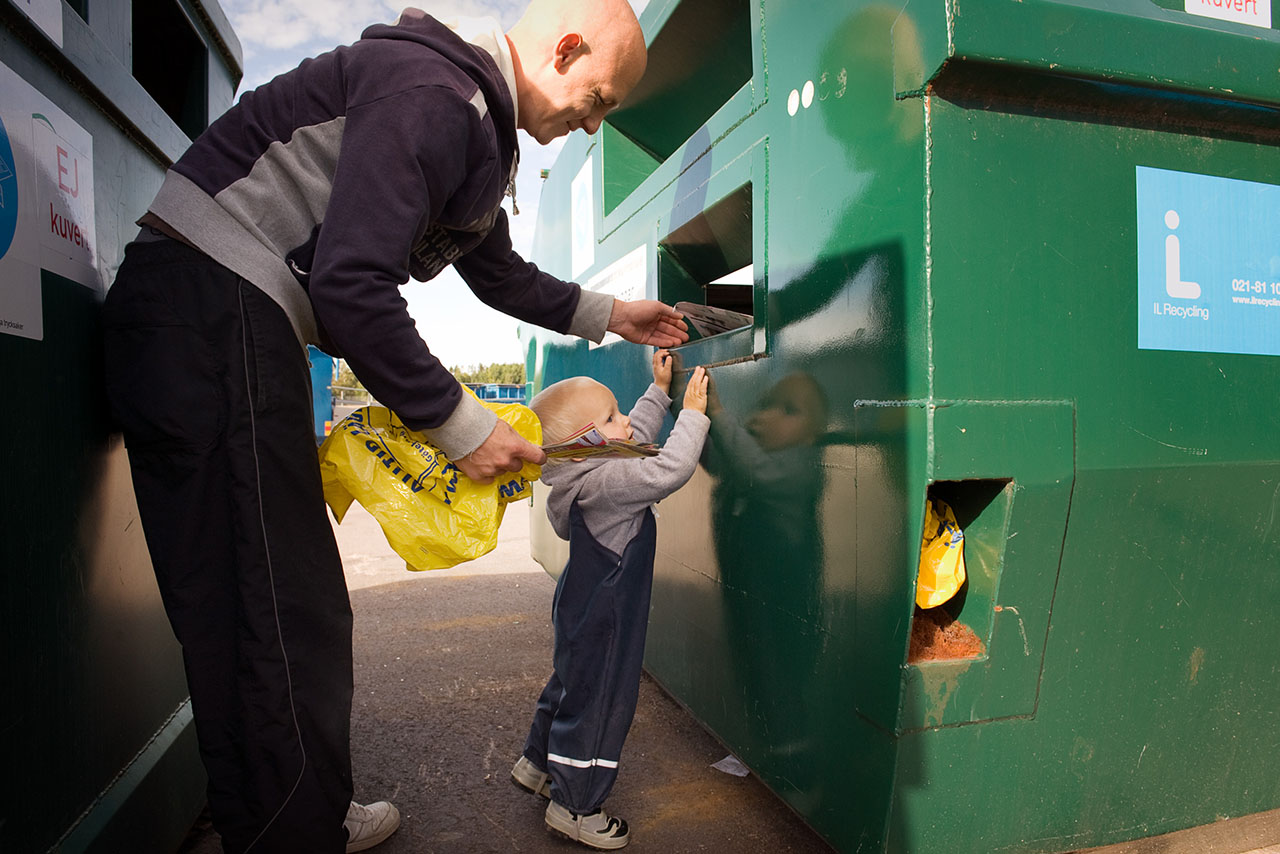
I believe that if we can make small changes, in the end it will make a big impact, says Paoli Brunat. May it be that hotels and restaurants uses smaller plates or bowls at buffets, and hence reduces the food waste and overconsumption, or invite your colleague to carpool instead of driving separately, or make a game out of who can recycle most household waste in your neighbourhood? I believe most of know what is “the right thing” to do, and I know that together we can make the changes necessary. But some of us might need a little push to get there.
Want to know more?
Smart Nudges: https://smartnudges.com
Nudgd: https://nudgd.se/ and https://nudgd.io
Nudging Sweden: https://facebook.com/groups/nudgingsweden
12 strategies to promote behavioural change: http://www.caminomagasin.se/files/media/enabling_sustainalbe_choises_webb.pdf
Sustainable development through nudging: https://www.diva-portal.org/smash/get/diva2:1281473/FULLTEXT02
Relaterede nyheder

Når materialet betyder noget – Wrapped giver et fornyet syn på bæredygtig belysning
I en verden , hvor hvert gram materiale og hvert gram CO2 tæller, er Wrapped mere end blot et armatur – det er et statement. Det er Fagerhults mest bæredygtige pendel til dato, og det er langt fra tilfældigt. Hver detalje, hver beslutning, hvert materiale er valgt med omhu. Bæredygtighed begynder ofte med et enkelt spørgsmål: Hvad er den fremstillet af? For Wrapped er svaret en trio af materialer, der hver især fortæller deres egen miljøhistorie. Solid Board: en velkendt ven Hos Fagerhult stiftede vi første gang bekendtskab med Solid Board i 2021 med Multilume Re:Think. Men med Wrapped er vi gået et skridt videre. Materialet består af en trelagskonstruktion med en 100 % genanvendt kerne, et vedvarende FSC-certificeret toplag og en tynd, beskyttende plastfilm. Resultatet er et materiale, der er 65 % genanvendt – og som giver en 89 % reduktion i CO₂-udledning sammenlignet med ny ekstruderet aluminium. Billedgalleri: Solid Board Wrapped er fremstillet af organisk Solid Board, post-consumer genbrugsaluminium og post-consumer genbrugsplast. Nytænkning af plast Plast er ofte et varmt emne, når det handler om bæredygtighed. Men ikke al plast er ens. Wrapped anvender post-consumer genbrugsplast – plast, der allerede har haft et liv, måske som en shampoo-flaske eller fødevareemballage. Det adskiller sig fra pre-consumer plast, som aldrig er nået ud til forbrugeren. Citat: Josefin Carlsson Aluminium med en fortid Wrapped indeholder to strukturelle komponenter fremstillet af 100 % post-consumer genbrugsaluminium. en del af en cirkulær infrastruktur, der måske endda tidligere har været en del af et Notor-armatur. Sammenlignet med nyproduceret aluminium reducerer dette valg udledningen med 83 %. Design med mindre – bygget til at holde Bæredygtighed handler ikke kun om, hvad du bruger – men også hvor meget. Med sine kun 900 mm er Wrapped kortere end en konventionel pendel på 1200 mm. Alene denne reduktion i størrelse reducerer klimapåvirkningen med 25 % uden at gå på kompromis med armaturets lysydelse. Josefin Carlsson sammenligner produkters klimapåvirkning i Fagerhults Experience Centre i Habo. For at forstå, hvor langt vi er nået med Wrapped, må vi se på, hvor vi begyndte. I 2021 Notor 65 – fremstillet af ny aluminium – en klimapåvirkning på 34 kg CO₂e. I 2024 med 75 % genbrugsaluminium blev dette reduceret til 25 kg CO₂e. I dag Wrapped ligger omkring 12 kg CO₂e. "Det er en tredjedel af den oprindelige Notor 65 og halvdelen af den nuværende version, en stille revolution målt i kilo CO₂e," siger Josefin Carlsson. Efter sin lange levetid – anslået til 100.000 timer – er Wrapped klar til en lige så bæredygtig exit. Konstruktionen gør den let at skille ad, så alle materialer kan genbruges og genanvendes i den cirkulære økonomi.
Fagerhult uses recycled aluminium for high-volume products — ensuring circular use of resources
With a focus on reducing its long-term greenhouse gas emissions, Fagerhult now choose extruded aluminium profiles containing 75% recycled material from end users. The material is used for product families manufactured and sold in larger volumes — and where the material can make a real difference. The initiative reduces Fagerhult’s climate footprint by approximately 225 tons of CO2e per year.Aluminium is a lightweight and durable material that can be reused multiple times if recycled properly. Its environmental impact depends on several factors, including whether it is made from virgin aluminium, how it is produced, whether fossil fuels or renewable energy sources were used in its production, and if it is derived from recycled materials.Niclas Thulin is Sustainability Manager at Fagerhult:“We are taking a significant step forward by moving from renewably sourced aluminium to recycled aluminium (post consumer). The Notor family – together with several other product families – is now made of extruded aluminium that is 75% recycled. This results in around 70% lower climate impact than the average impact from European primary aluminium and 88% lower than the global average for primary aluminium*.”The change affects products sold in larger volumes. The products Notor 65, Notor Recessed, Notor 36, Fjord, Vil, Multilume Hydro, and Sentra are now made of recycled aluminium.“We intentionally upgrade the materials for our larger product series because it significantly impacts Fagerhult's greenhouse gas emissions. For the Notor family alone, we used approximately 65 kilometres of aluminium profiles in 2024, and nearly all of this volume has now been replaced with recycled material,” says Niclas Thulin.The change is part of Fagerhult's systematic sustainability work and a considerable step in reducing greenhouse gas emissions in Scope 3: the company's indirect emissions from purchased materials. The Science Based Targets validate Fagerhult's climate targets, and the ambition is to achieve net zero emissions from the entire value chain by 2045.“This is our most important decision regarding materials, at least with reduced climate impact as the fundamental incentive. The majority of our emissions come from Scope 3, and through this change, we are making a difference where it has the greatest impact. Based on last year's volumes, the switch to recycled aluminium can reduce emissions by approximately 225 tons of carbon dioxide equivalents annually.”*Climate impact excluding the extrusion process. EPD compared to the European average for primary aluminium (European Aluminium) and the global average for primary aluminium (International Aluminium).