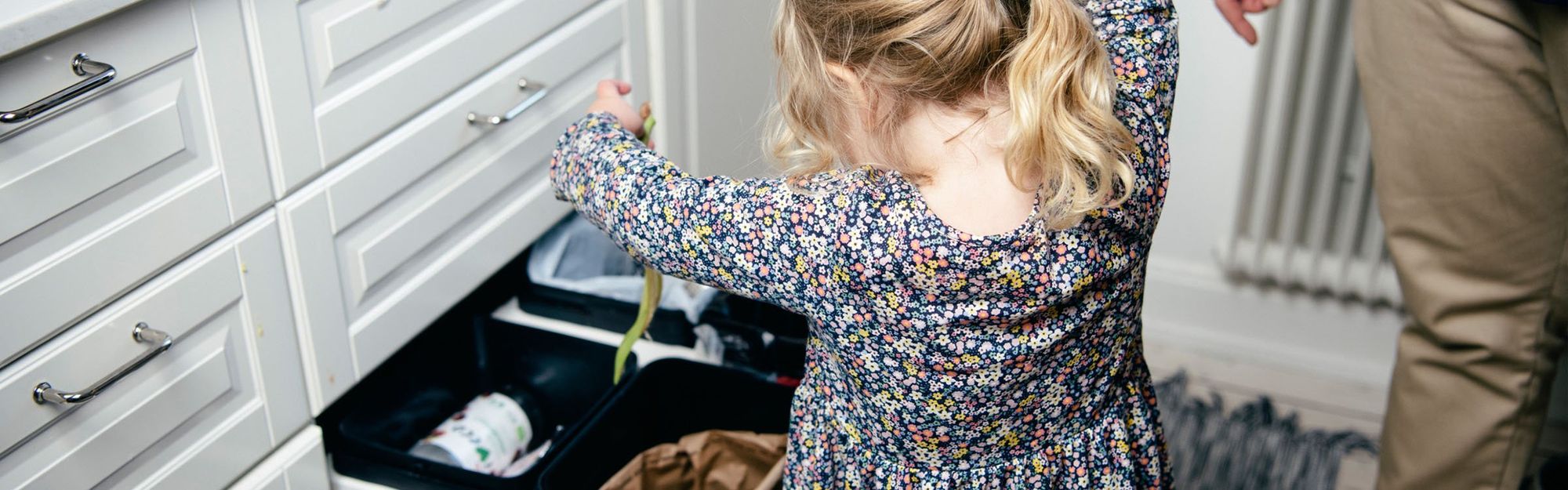
Make sustainable choices easy
Climate studies are showing that humans must change their behaviour by making more sustainable choices. Considering the consequences of global warming, the United Nations have identified 17 goals for a more sustainable future. The goals involve extinction of poverty, hunger, sickness and inequality, as well as promoting sustainable consumption, innovation and green energy.
Even though more information is provided, and new technology promoting energy efficiency is developed, statistics show that energy use in OECD countries will rise with 35 % by 2020 (UN 12th goal). Why are people still not making environmentally friendly choices to the extent that is necessary? The answer may, at least in part, lie within classic judgement psychology - humans are not fully rational in their decision making. That’s when they need a little nudge.
People, planet and profit
For the past decade Sweden-based nudging expert Katharina Paoli Brunat has been advocating a more sustainable way of living. In her work, as a public speaker and entrepreneur, she sees the possibilities to create a more sustainable future for all of us. We just need to see the options clearer.
- My passion is to empower people with hands on solutions that makes measurable impact, says Paoli Brunat. I believe we can have a more resource efficient, sustainable future where digitalisation, behavioural science and sustainability co-create and collaborate.
For Katharina Paoli Brunat’s sake, she took matter into her own hands by founding Nudgd, A Win Win World, Wildflower Group and EcoBride. She is also on several boards and work as a mentor, all with the same passion – to solve our biggest challenge for the future, a sustainable way of living by changing our behaviour.
- It is my opinion that people, planet and profit goes hand in hand towards the future, Paoli Brunat states. For that to happen, I believe that a collaboration between multiple stakeholders and a clear focus on action are essential, otherwise there will be no change.
 "I believe that a collaboration between multiple stakeholders and a clear focus on action are essential, otherwise there will be no change." Katharina Paoli Brunat, Nudging expert and Sustainability advisor, CEO of Nudgd
Nudge in a nutshell
What is nudging then? The term nudge, and nudging, gained popularity in 2008, when coined in a book by Cass R. Sunstein and Richard H. Thaler. In 2017, the latter was awarded the Sveriges Riksbank Prize in Economic Sciences in Memory of Alfred Nobel for his contribution to behavioural economics.
A nudge, in a behavioural context, refers to steering an individual’s behaviour in a given, desired direction; influencing their choices without removing other alternatives. It is a gentle push without legislation, carrots or/and sticks. Human behaviour is often irrational and can also be hard to predict. Nudging can therefor act as an instrument for influencing an individual’s behaviour and choices, in a more preferable way. If used successfully, you can increase a change in behaviour or attitude with nothing more than a gentle tweak and a soft touch.
Nudging is an effective tool for achieving a more sustainable world, and there are many nudging techniques that are proven efficient. Here are 5 nudging techniques that is used frequently with great results:
- A friendly reminder – in the right place, at the right time
- Framing – how the message is presented and by whom
- Social norms – compliance with the group
- Direct feedback – the impact of your actions shown immediately
- Visualisation – making it clear to see the benefit for me
- Without context, the concepts are perhaps hard to grasp – but here is an examples, says Paoli Brunat. In the case of social norms, we as humans like to compare ourselves with others, our group. Most people feel uncomfortable acting outside social norms and pleasant when they have a feeling of belonging. We also love to hear that we are better than average and tend to compare ourselves with others. A good example of wanting to be as good as your neighbour, or even better, was adapted by the power company Opower.
By presenting the customers private energy usage, as well as their neighbours, in their energy use home report they could see how much energy they were using, in relations to each other. This simple data, made visible in an easy way, triggered something in the users; a desire to be better than their next-door neighbour. The effect being that the energy usage of the customers dropped significantly.
Don’t stop believing
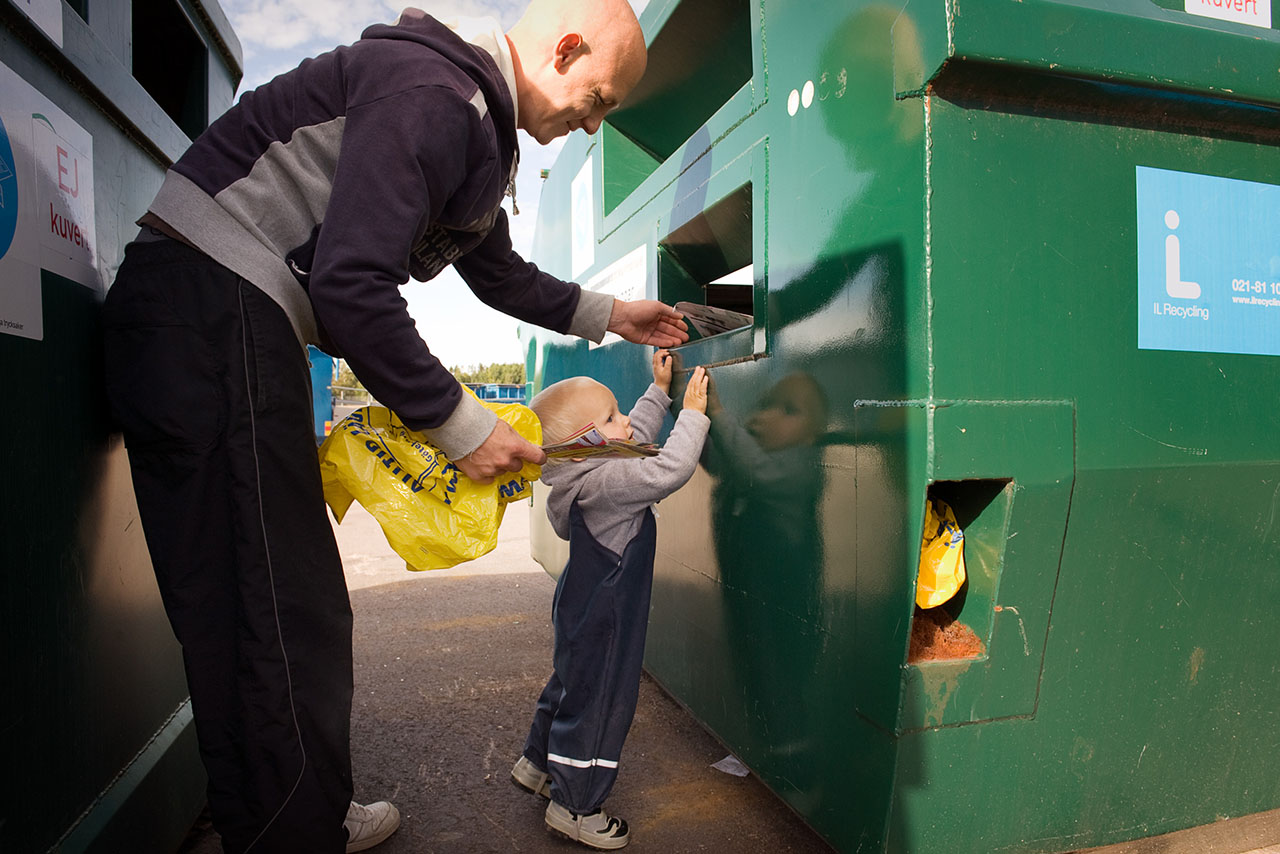
I believe that if we can make small changes, in the end it will make a big impact, says Paoli Brunat. May it be that hotels and restaurants uses smaller plates or bowls at buffets, and hence reduces the food waste and overconsumption, or invite your colleague to carpool instead of driving separately, or make a game out of who can recycle most household waste in your neighbourhood? I believe most of know what is “the right thing” to do, and I know that together we can make the changes necessary. But some of us might need a little push to get there.
Want to know more?
Smart Nudges: https://smartnudges.com
Nudgd: https://nudgd.se/ and https://nudgd.io
Nudging Sweden: https://facebook.com/groups/nudgingsweden
12 strategies to promote behavioural change: http://www.caminomagasin.se/files/media/enabling_sustainalbe_choises_webb.pdf
Sustainable development through nudging: https://www.diva-portal.org/smash/get/diva2:1281473/FULLTEXT02
Aiheeseen liittyviä uutisia

Kun materiaalilla on väliä – Wrapped lisää uuden näkökulman kestävään valaistukseen
Maailmassa, jossa jokaisella materiaali- ja hiilidioksidigrammalla on merkitystä, Wrapped ei ole pelkästään valaisin – vaan kannanotto. Se on Fagerhultin tähän mennessä kestävin riippuvalaisin, eikä se syntynyt sattumalta.. Jokainen yksityiskohta, jokainen päätös, jokainen materiaali on valittu tarkoituksella. Kestävyys lähtee usein yksinkertaisesta kysymyksestä: Mistä se on valmistettu? Wrappedin kohdalla vastaus on kolmen materiaalin yhdistelmä, jossa kullakin on oma ympäristötarinansa. Solid board -kartonki: meille jo tuttu materiaali Fagerhultilla tutustuimme Solid board -kartonkiin ensimmäisen kerran vuonna 2021 Multilume Re:Thinkissä. Mutta Wrappedin kohdalla olemme vieneet ajatusta pidemmälle. Materiaali koostuu kolmikerroksisesta rakenteesta, jossa on 100 % kierrätetty ydin, uusiutuva FSC-sertifioitu pintakerros ja ohut suojaava muovikalvo. Kaiken kaikkiaan materiaali on 65 % kierrätettyä – ja sen CO₂-päästöt ovat 89 % pienemmät verrattuna neitseelliseen suulakepursotettuun alumiiniin. Kuvagalleria: Solid board -kartonki Wrapped on valmistettu orgaanisesta Solid board -kartongista, kierrätysalumiinista ja kuluttajakäytön jälkeisestä kierrätysmuovista. Muovin käyttö uudella tavalla ajateltuna Muovi on usein kuuma aihe kestävyyskeskusteluissa. Kaikki muovi ei kuitenkaan ole samanlaista. Wrappedissa käytetään kuluttajakäytön jälkeistä muovia: sellaista, joka on elänyt aiemmin, ehkä shampoopullona tai ruoka-astiana. Teollisuuden (pre-consumer) kierrätysmuovi on sitä vastoin erilaista, sillä se ei koskaan päässyt hyllyille asti. Lainaus: Josefin Carlsson Alumiini, jolla on menneisyys Wrappedin sisällä olevat kaksi rakenteellista tukea ovat valmistettu 100 % kierrätysalumiinista. Tämäkin materiaali on myös osa kiertotalousinfrastruktuuria – ja se on saattanut joskus jopa olla osa Notor-valaisinta. Neitseelliseen alumiiniin verrattuna tämä valinta vähentää päästöjä 83 %. Suunniteltu vähemmällä – rakennettu kestämään Kestävyys ei kuitenkaan ole pelkästään sitä, mitä käytät – vaan sitä, kuinka paljon. Vain 900 mm pitkä Wrapped on lyhyempi kuin perinteinen 1200 mm riippuvalaisin. Pelkästään pienempi koko vähentää ilmastovaikutusta 25 % valaisimen valaistustehosta tinkimättä. Josefin Carlsson vertailee tuotteiden ilmastovaikutuksia Fagerhultin Experience Centressä Habossa. Wrappedin vaikutuksen ymmärtämiseksi on hyvä katsoa, mistä aloitimme. Vuonna 2021 neitseellisestä alumiinista valmistetun Notor 65:n ilmastovaikutus oli 34 kg CO₂e. Vuoteen 2024 mennessä luku oli laskenut 25 kg:aan CO₂e, kun alumiinista 75 % oli kierrätettyä. Nykyään Wrappedin CO₂e-päästöt ovat vain noin 12 kg. ”Se on kolmannes alkuperäisestä Notor 65:stä ja puolet nykyisestä versiosta, ja hiljainen vallankumous CO₂-kilogrammoina mitattuna”, Josefin Carlsson sanoo. Pitkän, arviolta 100 000 tunnin käyttöikänsä jälkeen Wrapped on valmis yhtä kestävään käytöstäpoistoon. Rakenteensa ansiosta se on helppo purkaa, ja jokainen materiaali on kierrätettävissä ja valmisteltu kiertotalouden seuraavaa lukua varten.
Ympyrä sulkeutuu – ja valaisimien elinkaari pitenee
Ajatus vanhojen valaisimien kunnostamisesta materiaalin ja energian säästämiseksi kasvaa. Joskus vanhentunut valaisin tarvitsee rakkautta ja insinööritaitoja loistaakseen jälleen kirkkaasti. Tapasimme Fagerhultin ReLight-tiimin Emma Hallmanin, Mathilda Hollin ja Andreas Ekslättin keskustellaksemme haasteista löytää ratkaisuja, jotka vievät vanhat valaimet tulevaisuuteen. Fagerhultilla työn kaikkiin osa-alueisiin on juurtunut syvälle innovaatiokulttuuri. Se kumpuaa mitä luultavammin perustajan Bertil Svenssonin ajatusmaailmasta ratkaista ongelmia joskus pieninkin keinoin – ja myös uteliaisuudesta ja omistautumisesta. Toisin kuin nykyään, kestävä kehitys ei ehkä aikanaan ollut mikään muotisana. Resurssien vastuullinen hyödyntäminen ja pyrkimys korkeaan laatuun ovat kuitenkin aina olleet Fagerhultin kulmakiviä. Nykyään uusi kiertotalousajattelu on kannustanut meitä haastamaan ajatteluamme ja saanut meidät tiedostamaan pitkäikäisten ratkaisujen tärkeyden. Fagerhultin Bespoke Lighting Solutions (BLS) -osasto on kehittänyt uniikkeja valaisimia ja mukautettuja ratkaisuja useiden vuosien ajan. Siksi vanhojen valaisimien kunnostaminen ja päivittäminen on meille tuttua. Kunnianhimo käyttää ja rakentaa uudelleen vanhoja valaisimia ilmastovaikutuksen pienentämiseksi on kuitenkin kasvanut ajan myötä. Tässä prosessissa tämän päivän kehitys nostaa eilisen suunnittelun ja teknologian vastaamaan huomisen vaatimuksia. Tarjous ReLight vanhoille valaisimille Fagerhultin ReLight-tiimille ei ole olemassa epätavallisia kysymyksiä tai mahdottomia ratkaisuja. He käsittelevät päivittäin Fagerhultin markkinoiden projekteihin erityisesti kehitettyjä valaistusratkaisuja koskevia tiedusteluja. Prosessi on monimutkainen, mutta ajan myötä he ovat oppineet, että jotkin projektit sopivat täydellisesti vanhojen valaisimien uudelleenkäyttöön uusiin investoimisen sijaan. ”Meille valaisimen ominaisuudet valaistusmukavuudessa, turvallisuudessa ja esteettisyydessä ovat jokaisen ReLight-projektin ytimessä. Laskemme myös perusteellisesti, voimmeko – ja missä määrin – vähentää valaisimen kokonaisilmastovaikutusta sen elinkaaren aikana. Jos kaikki nämä vaatimukset täyttyvät, alamme kehittää ja suunnitella uutta sarjaa”, Emma Hallman sanoo. ReLightilla on selkeä tahtotila säästää materiaaleja ja energiaa – ja tehdä työtä ympäristön eteen päivittämällä valaisimia. Kaikki vanhat valaisimet eivät kuitenkaan elä ikuisesti; jotkut ovat vanhentuneita ja ne on parempi kierrättää kuin kunnostaa. Img ”Meille valaisimen valaistuksen mukavuus, turvallisuus ja estetiikka ovat jokaisen ReLight-projektin ytimessä. Pyydettäessä laskemme myös, voimmeko – ja kuinka paljon – vähentää valaisimen kokonaisilmastovaikutusta sen elinkaaren aikana”, Emma Hallman sanoo. Fagerhultilla turvallisuus ja laatu ovat punaisia lankoja, jotka kulkevat läpi kaikkien tuotteiden. Eikä ReLight ole poikkeus. CE-merkintä ja testaus ovat keskeisiä tekijöitä koko prosessin ajan. ”Kokonaislaadun varmistamiseksi päivitetty valaisin on CE-merkitty kokonaisuudessaan ennen toimitusta. Haluamme myös tehdä asennuksesta paikan päällä sujuvaa ja nopeaa, ja uusi sarja on mahdollisimman lähellä täydellistä valaisinta”, Andreas Ekslätt sanoo.