GROWING ACTIVITY
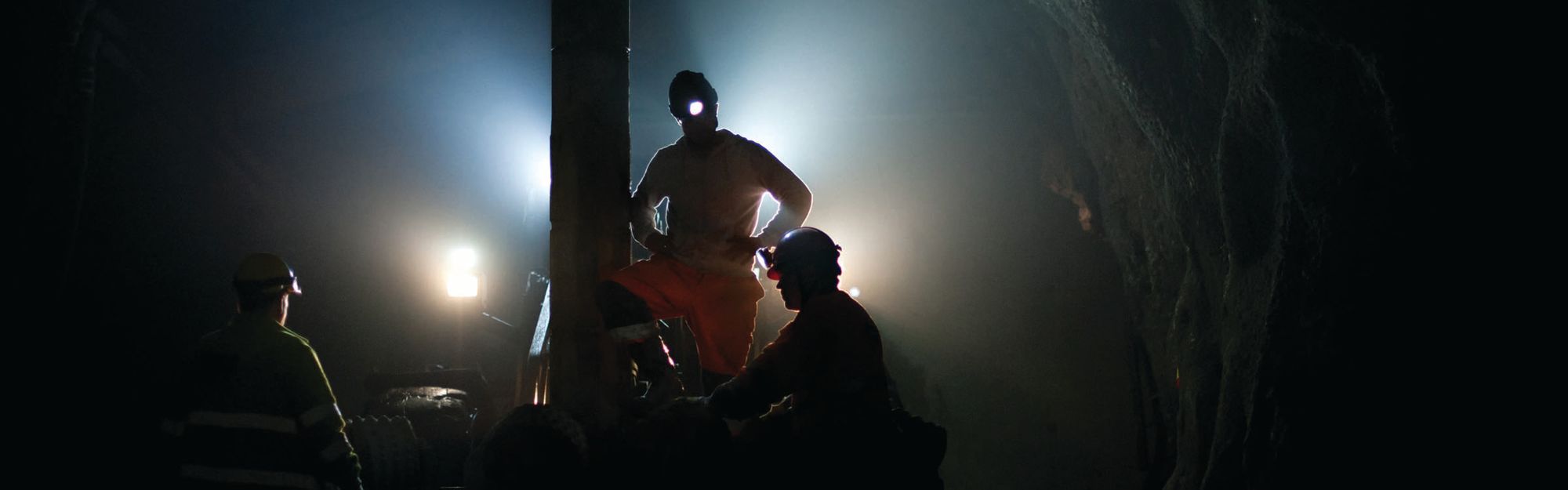
Mining is an ancient work, and dates back more than 20 000 years ago. The heavy work of mining is historically associated with long hours, harsh climate and risky work conditions. But the modern mining of the 21st century is rather an engineer dense workplace with high safety standards. Underground, visibility is obviously crucial and sometimes challenging, and lighting is a crucial tool in that work.
Today there is a growing tendency for mining activity around the world, since numerous industries worldwide depend on the supply of minerals and material from underground. The average life span of a site depends on the material being mined and it can be as short as 15-20 years. Therefore, there is a need to find new use for the large underground spaces no longer in use.
WORKPLACE ENVIRONMENTS
As with all workplaces, the mine needs to be a safe and secure workspace. Research has stated that there is a clear connection between the physical work environment and occupational stress. Studies has also suggested that workplaces with visual access to nature increases the job satisfaction and overall subjective well-being among the employees. Therefore, working in underground spaces with a lack of daylight and connection to the outside world, might impose the biological clock of workers and have many negative physiological and psychological effects.
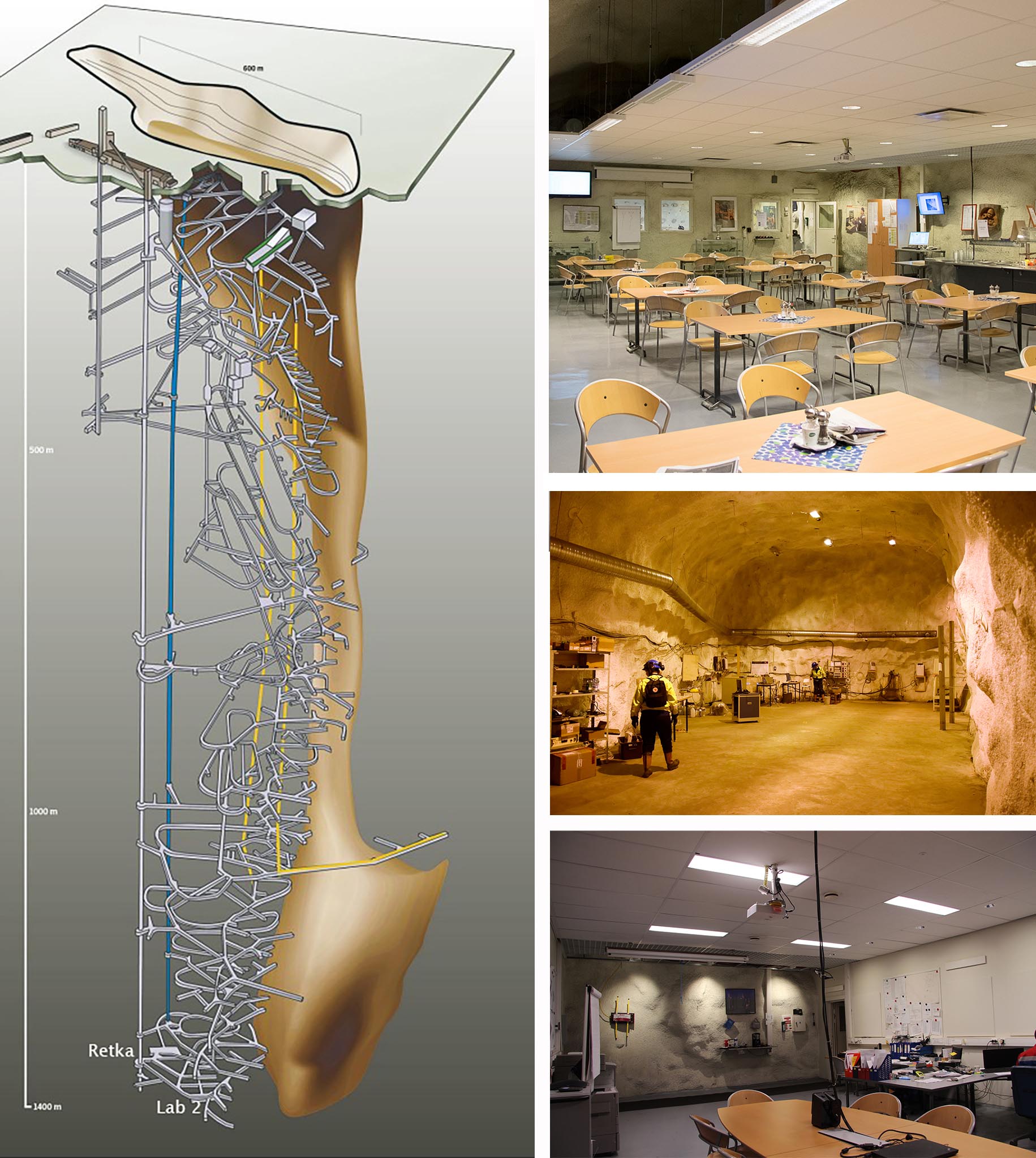
With this at hand, Henrika Pihlajaniemi and her colleagues at University of Oulu, carried out a study to develop lighting design strategies for underground environments, that supports occupational well-being. This was done in Pyhäsalmi mine, Finland, which is the deepest underground location of Europe, almost 1,5 km deep. Pyhäsalmi is closing its mine operations in the beginning of 2022 and is therefore open for other uses.
– This is a common dilemma in the mine industry worldwide, explains Henrika Pihlajaniemi. When the mining ends there are big spaces available with great infrastructure that could be used, but for what? In Pyhäsalmi they have tested different new operations for the mine. Since the temperature and humidity is ideal for growing, it would be a terrific farming site, both for crops and/or cricket-farming (edible insects). Since it is a really secure and enclosed space, it is also perfect for research with a great testing environment. It can also be a good place for space training simulation, since it is as disconnected from the outside world as in space.
LIGHTING UP THE UNDERGROUND
But, no matter the usage of the underground space – the conditions need to be healthy, safe and secure for the people working there.
– That is why we started out this study, Henrika Pihlajaniemi explains. A lighting design that supports well-being is not only for the mining environment. We did these experiments for the future, bearing in mind that the underground spaces might be in new use for other projects, with people working there in a new way.
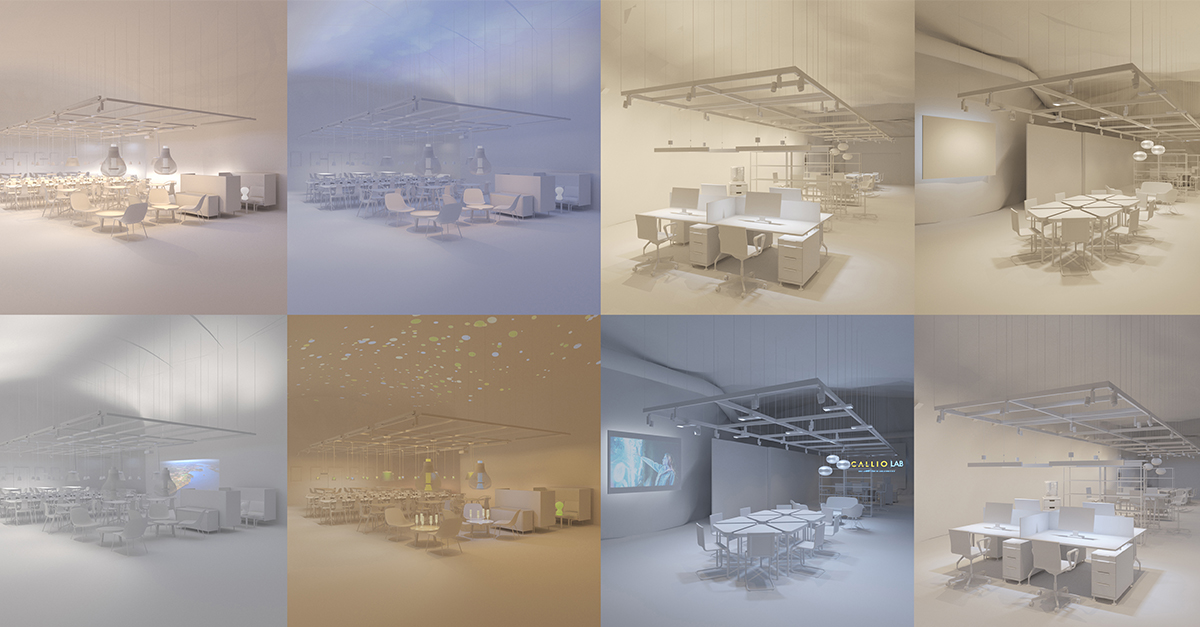
In the study, a lighting refurbishment of two central areas in the mine was carried out – the personnel restaurant (Retka) and the underground laboratory (Lab 2). Both spaces located on the main level of the mine: Retka at a depth of 1410 metres, and Lab 2 at 1430 metres. To be able to come to these locations, the mine workers needed to travel in semi-dark tunnels, mainly unlit and partly lit up by older light sources. The influences on the new lighting on the participants wereas measured in the real-world piloting, combined with qualitative semi-structured interviews with the mine workers.
– The participants also wore a wristbands and electrocardiographic devices which allowed us to measure biological parameters, says Henrika Pihlajaniemi. We also did interviews in two phases. One test period of 8 weeks, was in the darkest period of the year, and the other test period was in the lightest period of the year. We tested the different dynamic lighting scenarios, explained in the paper, that we designed together with Fagerhult Oy and then evaluated them with the participants.
SMART LIGHT FOR SMART WORK
The lighting design in the spaces was designed in an automated circuit, adapted after the two working shifts (morning and evening). During the two eight-week periods, the participants could not manually change the light settings, except putting on the presentation mode when needed. In the summer period it is never totally dark during the day, only twilight, and in the winter period, there are only a couple of hours of light during mid-day.
During the winter, the mine workers did not experience daylight at all during the day, since it was dark both when they went down and came up from the mine. And in the summer, the situation was the opposite – they saw daylight both when they went down and came up.
– What we found out, while testing in two different periods of the year, was that they really felt the circadian lighting in a different way, Henrika Pihlajaniemi explains. When they came down in the winter mornings, they experienced the office space with normal standard office lighting as too lit. But in the summer evaluation they did not experience it like that, because they had felt the sunlight before going down. So, even though we are designing lighting for underground location you need to take into account the yearly rhythm of daylight as well. Especially during the winter time, they preferred the dynamic scenario where the lighting was dimmer and warmer in the morning, and then slowly increased. In my opinion, you should not break the balance between darkness and light. I believe, that it is the most beneficial for us humans to feel the whole circle, to be in balance with the extremes.
 "The human relationship with daylight is truly innate and natural. We need the sun to grow and feel well." Henrika Pihlajaniemi, D.Sc. (tech), M.Sc. (arch) Architect SAFA, Lighting designer M3 Architects
HOW CAN WE USE THIS IN THE FUTURE?
The case study in Pyhäsalmi mine showed that lighting design for underground environments is a complex design job, where you must work holistically and embrace contextual factors as well. The study included the physiological, psychological and biological perspective of lighting, in this enclosed environment with special conditions and needs.
From a physiological perspective, the lighting should support visual performance and maintain visual comfort. From a psychological perspective the sense of space and atmosphere are important, since they relate to the feeling of security and safety. And, from the biological perspective, the circadian lighting, was a great tool for supporting the worker’s rightly timed sleep/wake pattern and alertness, and sense of time.
– Many of the results are applicable to other underground, or enclosed, locations, Henrika Pihlajaniemi states. The study proposes a holistic design framework for lighting, that supports occupational well-being in these special environments. All in all, the participants experienced the circadian light rhythm as a pleasant thing that was helping them. They especially appreciated the ambient wall lighting, which made the contrasts and orientation in the room more vivid and enhanced and created atmosphere. That is important to bear in mind when designing light for other spaces without connection to daylight.
MORE FACT AND INFORMATION
The research in Pyhäsalmi mine was part of Occupational Well-Being and Safety with Intelligent Lighting project, which was funded by The Finnish Work Environment Fund, the University of Oulu, and Fagerhult.
Here you find a short film on the Pyhäsalmi mine, and its operations.
If you wish to read the full paper of Henrika Pihlajaniemi, you can find it here.
If you wish to learn more on underground lighting, you can visit the
BSUIN (Baltic Sea Underground Innovation Network) projects web.
Related News
The Evolution of Retail Experience: Insights from Professor Laura Ugolini – Part One
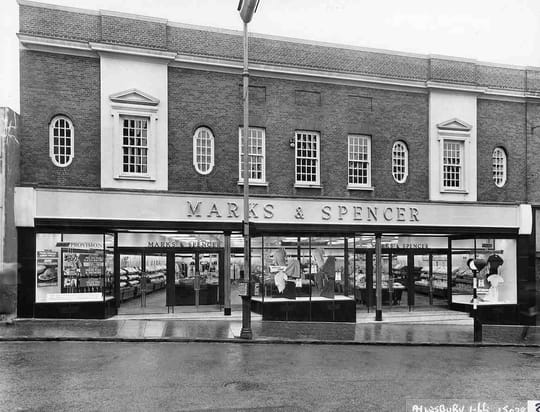
Every era creates its own version of the ideal shop. In Victorian Britain, abundance mattered. Shop windows were packed tightly with goods, projecting prosperity and variety onto busy high streets. By the interwar years, modernity had become the aspiration: cleaner lines, brighter interiors, electric lighting and carefully staged displays signalled that a retailer was progressive and in touch with contemporary life. The pressures facing retail today – new technologies, changing customer habits, shifting expectations around experience and convenience – are not entirely new. Retail has always evolved in response to social, cultural and technological change. Long before the arrival of online shopping, retailers were experimenting with how architecture, display, atmosphere and service could influence behaviour. We spoke with Professor Laura Ugolini, Director of the University of Wolverhampton’s Centre for the History of Retailing and Distribution (CHORD), to chart this history of retail stores and the role of lighting with in it. The Theatre of the Early Shopfront The instinct to attract attention is far older than the modern high street. Retailers in medieval markets and Georgian streets already understood the importance of presentation, spectacle and visibility. Yet the nineteenth century transformed what shops could physically become. Advances in manufacturing made large plate-glass windows more affordable and widely available, allowing retailers to create bigger and more ambitious displays. According to Laura, Victorian window displays often appear cluttered to modern eyes, with goods “almost crammed into the shop to give an impression of abundance.” When Lighting Became Part of Modern Retail Lighting has long shaped the retail experience, even before electricity became widespread. Gas lighting illuminated nineteenth-century shopfronts and allowed stores to extend trading hours, particularly in winter. Yet the interwar period marked a significant shift in how lighting was discussed and marketed. “Modernity was very much associated with lighting. The cinemas, dance halls, and the city centre were all portrayed as being very bright in that period.” Electric lighting became a visible symbol of progress. Retailers used brightness to communicate cleanliness, efficiency and fashionability. Stores that embraced electric lighting presented themselves as contemporary businesses aligned with changing tastes and lifestyles. “There seems to be this association with being modern, with being up to date. They make comparisons with dark and dingy interiors.” Trade publications of the interwar period increasingly discussed lighting as part of the wider modernisation of retail interiors, alongside shop fittings, display design and window presentation. One interwar menswear article argued that “the modern man’s shop must be bright”, contrasting contemporary retail environments with the “gloomy” and poorly organised outfitter shops of earlier decades. At Walter Scott’s menswear premises in Regent Street, “dust proof fixtures and tubular lighting” were promoted as signs of a modern retail design. While display had long been key to retail, interwar department stores increasingly integrated it throughout the entire shopping environment. One article describing the Simpson store in Piccadilly states that space was devoted to “selling through display”, with furniture, fittings and lighting all contributing to the overall customer experience. Even then, retailers balanced aesthetics with practicality. Electricity remained relatively expensive during the interwar years, meaning natural light still played an important role. Skylights, large windows and glazed façades were often combined with electric lighting to reduce costs while maintaining bright interiors. Markets, Spectacle and Entertainment While department stores projected refinement and sophistication, Britain’s markets developed their own highly theatrical retail culture. Laura points to photographs of 1930s markets, where traders used electric lighting to illuminate stalls and attract crowds. The Saturday night market became both a commercial and social event. “It was often a spectacle as well as just somewhere you went to buy your items. People went for entertainment as well as just to buy things.” The Bolton Worktown photograph, shown below, of a brightly lit shoe stall captures this atmosphere particularly well. Electric lamps flood the stall with light while customers gather closely around the display, demonstrating how illumination could help to create drama, visibility and energy within crowded public spaces. These markets reveal an important point about retail history: experiential retail is not a recent invention. Long before contemporary flagship stores and immersive brand environments, retailers were already using atmosphere, performance and sensory appeal to attract visitors. Shoe Stall, 1937. Humphrey Spender. © Bolton Museum The Department Store Revolution If markets brought energy and spectacle, department stores introduced a new kind of controlled retail environment. By the late nineteenth century, stores such as Harrods, Selfridges and John Lewis allowed customers to browse freely without the pressure to purchase immediately. Cafeterias, reading rooms, hairdressers and rest facilities encouraged visitors to spend extended periods inside. “I would suggest that that kind of experience of actually just browsing, shopping, wandering around and just looking is probably something we associate with department stores in the nineteenth century,” This represented a major cultural shift. Earlier forms of shopping were often highly transactional, involving direct interaction between customer and shopkeeper. Department stores softened this exchange and made browsing itself a leisure activity. The development of customer amenities also changed who retail spaces were designed for. Many department stores actively targeted female shoppers, presenting themselves as respectable and relatively safe urban environments. “Department stores often marketed themselves as a shop aimed specifically at female customers. Somewhere where women could actually wander around in relative safety.” The design of these interiors reinforced that sense of reassurance and comfort. Bright, ordered environments, visible circulation routes and carefully controlled displays all contributed to a more welcoming retail experience. Standardisation and Aspiration As the twentieth century progressed, chain retailers began refining another retail strategy: consistency. Brands such as Marks & Spencer created standardised interiors and displays across multiple locations, helping customers recognise the brand experience wherever they shopped. Laura points to menswear chains, such as Burton, that used fittings and fixtures designed to resemble bespoke tailoring establishments, despite selling mass-produced suits at accessible prices. “It actually felt as if you were entering a bespoke tailor,” This blending of aspiration and accessibility became central to twentieth-century retailing. The environment itself communicated value, trust and identity. An article on Elliotts of Reading described a modernised shopfront as possessing “quiet but compelling attraction”, suggesting retailers increasingly understood that atmosphere and identity could influence customer perception before any interaction took place. That connection between atmosphere and perception continues today. Whether through lighting, materials, layout or display, retail environments still shape how customers interpret brands long before a purchase is made. The Foundations of Modern Retail By the interwar period, retailers were already thinking carefully about how lighting, display, materials and layout influenced perception and behaviour. Many of the themes shaping retail design today – atmosphere, identity, experience and customer comfort – were already emerging nearly a century ago. In part two, we will look at how retail continued to evolve through the twentieth century – from department stores and chain stores to self-service, convenience shopping, and the modern question of what physical stores can offer that digital retail cannot
Melanopic lux: lighting for education influenced by human biology
Light is essential in our daily lives, influencing our ability to see, overall well-being and performance. In educational environments, lighting quality can significantly impact students' focus, mood, and energy levels. So, how do we know what is the right amount and quality of light for this setting? Traditionally, light has been measured in lux, a unit of measurement for the intensity of light. It's used to measure how much light falls on a surface or the amount of light in a given space. One lux is the amount of light that falls on a surface that is one square meter in area when one lumen of light is spread out evenly. Recent advancements in research have unveiled the importance of melanopic lux, which goes beyond mere visibility. This measures how effectively light stimulates specific eye cells that regulate crucial non-visual functions such as sleep and alertness. In classrooms and lecture theatres, the melanopic ratio has become vital in lighting design, enabling educators to create spaces that support visual tasks and align with students' biological rhythms. In this article, we explore how lighting solutions can align with our biology, and how this helps to create optimum conditions for educational environments. The science of vision and light The human eye is a remarkable organ designed for high-resolution colour vision within a small area (approximately 2 degrees of the visual field) while relying on peripheral vision for motion detection. This dual-function system, shaped by evolution for survival, continues to influence how we perceive and interact with our surroundings. Our eyes are particularly susceptible to green and yellow light, reflecting our evolutionary adaptation to naturally lit environments. In contrast, blue light, which is chief in modern LED lighting, requires higher intensity to be perceived at the same level. Effective lighting design carefully considers brightness, timing, and distribution to support visual clarity and biological functions like mood and alertness. For example, exposure to bright light in the morning helps regulate circadian rhythms, boosting alertness and mitigating the effects of seasonal darkness. This is particularly important in educational environments, such as schools and universities, where lighting impacts mood, focus, and overall performance. Our Organic Response system provides an innovative solution tailored for these spaces. This smart lighting technology automatically optimises light levels, featuring daylight-responsive sensors and advanced occupancy detection, maintaining a balance between natural and artificial light. Doing so supports visual comfort and reduces energy consumption, making it an ideal choice for creating dynamic, efficient, and student-friendly learning environments. To further support students, well-lit spaces with minimal glare are essential for reducing eye strain and maintaining focus during extended study sessions. Adjusting light intensity and colour temperature for different tasks—such as reading, group discussions, or creative activities—enhances light's visual and non-visual effects. By integrating thoughtful lighting strategies like those offered by Organic Response, educational environments can promote healthier, more productive, and engaging learning experiences. Integrative lighting: Supporting health and well-being. Integrative lighting (also referred to as human-centred lighting) combines visual and non-visual benefits (such as emotional effects) to support biological rhythms and psychological well-being. This approach goes beyond traditional lighting solutions by considering how light impacts circadian rhythms and hormonal balance. Light exposure in the morning is critical for suppressing melatonin (the sleep hormone) and increasing cortisol (the alertness hormone). Proper timing helps align students' natural rhythms with school schedules, which often require a lot of focus. Consistent exposure to bright, cool light early in the day can enhance energy levels and cognitive performance. The melanopic ratio compares the spectral composition of a light source with daylight. Using this information, you can determine its melanopic lighting intensity. This enables the design of lighting setups that precisely meet both visual and biological lighting needs. Lighting recommendations for educational spaces Each learning environment has unique lighting needs. Libraries benefit from direct lighting on the floor, paired with ambient lighting on walls and ceilings. Vertical shelf lighting (200-300 lx) makes it easier to browse titles. Lecture halls, on the other hand, require glare-free, comfortable lighting with flexible control, ideally with pre-programmed scenarios. In auditoriums and classrooms, strong vertical lighting is crucial for clear visual communication, especially over greater distances, enhancing facial expressions and engagement. General lighting recommendations apply to all educational spaces. Our solutions meet industry standards, ensuring reading and writing areas maintain 500 lx for effective visual tasks. Using daylight-responsive sensors for luminaire rows can reduce energy consumption while maximising natural light. The number and arrangement of luminaires should be adjusted based on the room's size and function to ensure consistent illumination. The role of dynamic lighting A Double Dynamic lighting system can be a game-changer in educational environments. It allows for intensity and colour temperature adjustments to match the specific needs of activities, from quiet reading sessions to collaborative group work. Fagerhult's distinct approach to lighting means that our design is human-centric; we integrate scientific insight into light and human psychology, creating environments that support academic performance and well-being. Our focus on energy efficiency also means our advanced control systems optimise light usage while minimising energy consumption, contributing to a building’s sustainability goals. The customisable setting and flexible solutions ensure that educational environments can create tailored lighting profiles for different times of the day or specific learning activities. Long-term benefits of melanopic lighting Melanopic lighting, designed to mimic the natural light spectrum, helps regulate the circadian rhythm, which is essential for maintaining focus, energy, and emotional balance. In classrooms and study areas, proper lighting can reduce eye strain, improve sleep patterns, and enhance mood, which are critical for students' mental health and academic performance. By incorporating lighting that aligns with our biological needs, schools and universities can foster healthier, more productive learning environments,. This is particularly important during the winter months when daylight is limited. Whether through advanced tuneable white light systems, designs that maximise daylight, or energy-efficient solutions, we are dedicated to leading the way in lighting innovation for educational environments, delivering brighter futures—one classroom at a time.