Few symbols are so positively connotated as light. You “see things brighter”, it is “a new dawn” – semantically light is something optimistic and joyful that we desire. Light, or the absence of it, affects us in many ways. In some parts of the world the access to electrical light, and/or daylight, are limited for different reasons. This affects both mood and health, but also the possibilities to study or work after sunset. Here are some examples of how people living in the dark has taken matters into their own hands and turned the light on.
Mirror, mirror on the mountain…
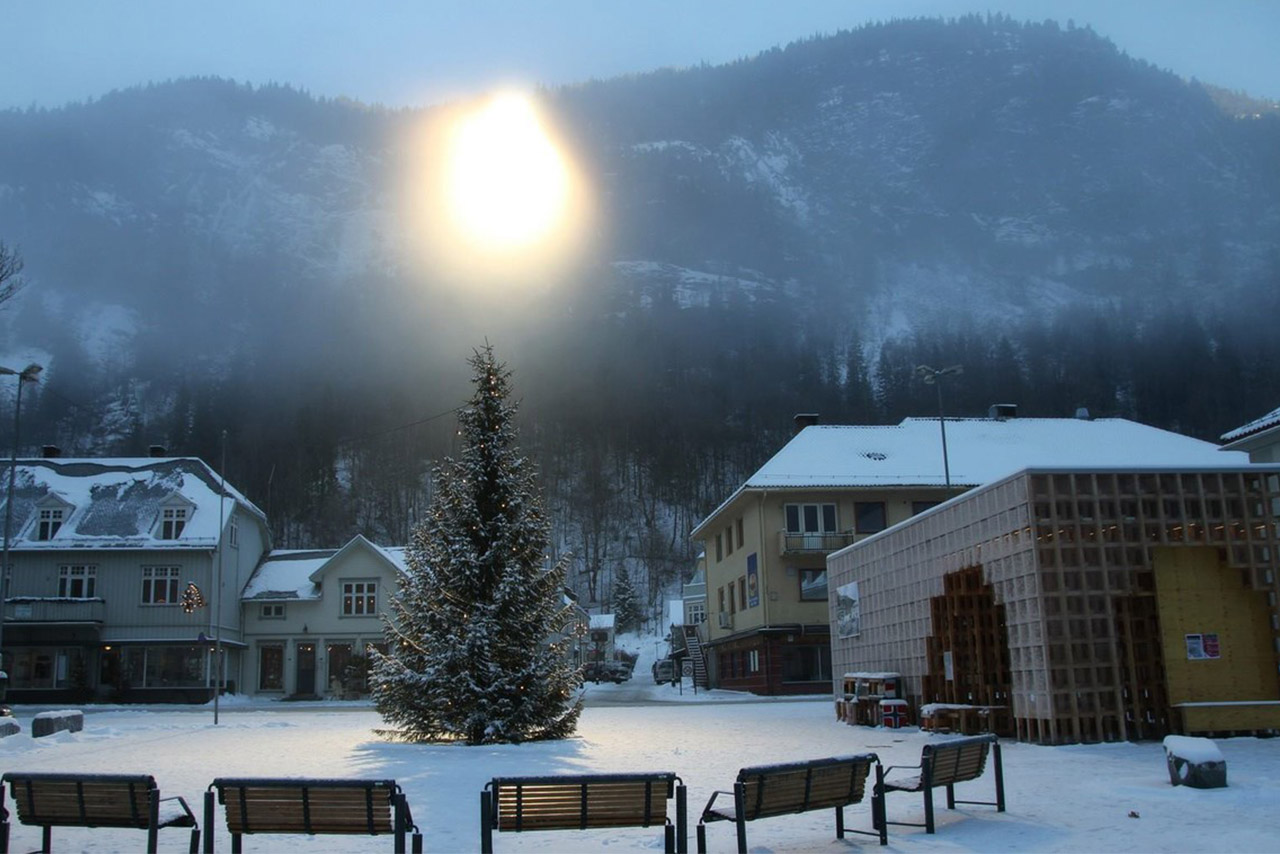
One way of helping the sunbeams find their way, is by redirecting and reflecting them. This is something the small villages of Rjukan (Norway) and Viganella (Italy), has tried. Both cities are located in-between steep mountains, and the residents normally do not see the daylight for many months during the winter season. The city of Rjukan is a beautiful village along the Hardanger fjord, located in an east/west valley, with the mighty Gaustatoppen (1883 m) on one side and steep mountain sides south of the city. Due to its location, the people of Rjukan live in shadow for almost six months a year, which of course affects the circadian rhythm and the possibilities to have an outdoor life.
In 2013 three giant mirrors was installed on one of the mountain tops, mounted in the rock wall 742 metres above the sea, about 450 m just above Rjukan Torg. The mirrors are in total 51 m² large. They catch the sunlight and reflect it down to Rjukan Torg, where the sunlight is distributed in an 600 m² area on the square. The solar energy in the square has an effect of 80-100% in relation to the light captured by the mirrors. The mirrors follows the sun's brief dash across the winter sky, and reminds the residents that even though it might not show, it is daytime.
Harvesting the sun
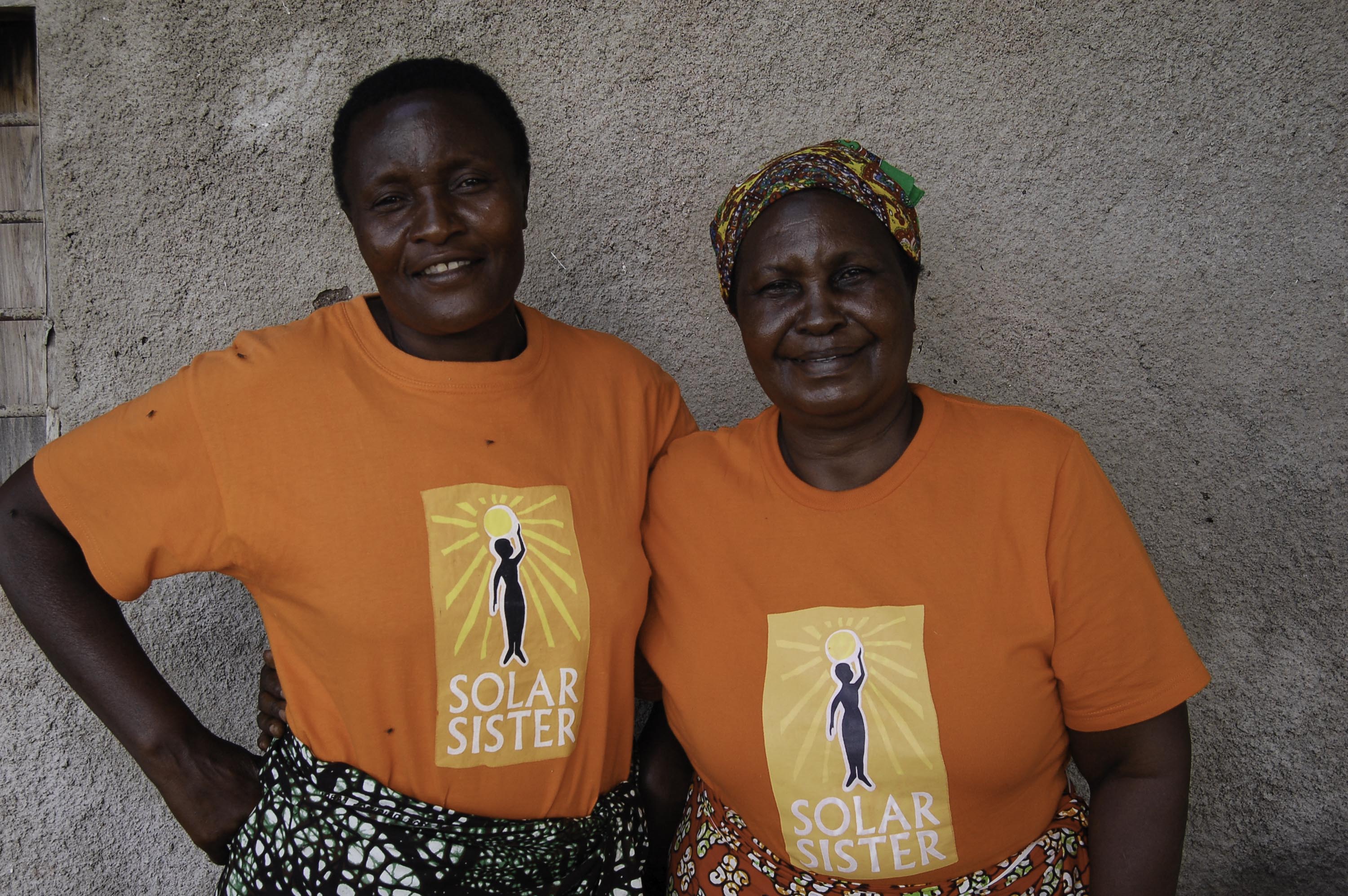
In other parts of the world, in the Sub-Saharan area, light and darkness follows a more constant pace. This makes the people living there dependent on electrical light for i.e. cooking or studying. In one of the poorest countries in Africa, Tanzania, 80 % of the population has no access to electricity. The majority depend on harmful fuels such as firewood and charcoal for cooking. Lack of access to power locks people into poverty and affects all areas of life. Energy poverty has a multitude of direct and indirect negative consequences on the health, education and incomes of women in particular and of off-grid communities in general. With initiatives such as the organization Solar Sister, this can be changed. The female entrepreneurs are given an business education, and are provided with solar cell lamps that they can sell to their communities. There are various forms of solar cell devices, all of them making the everyday life easier during the dark hours of the day.
Research from the Santa Clara University’s Miller Center for Social Entrepreneurship (2017) showed that with solar lanterns:
- Students have a reliable, bright light to use for their studies and show significant improvement in their education.
- Families are relieved of the damaging health effects from kerosene and no longer risk burns and home fires from kerosene lamps.
- Households experience financial benefits by ceasing the use of costly kerosene, growing existing businesses, and starting new businesses.
Some solar lanterns do more than provide light: they can also charge cell phones. And all these benefits combine to create intrinsic changes in individuals’ sense of agency and power.
All in all, light – be it electrical or natural – is vital for us. We need it for household work, for reading or just for socialising with our family. As the examples shows above, the longing for light is a strong force that drives us out of the darkness. By own means, or with technical help.
More information on Solar Sisters
- Solar Sisters is a NGO operating in Nigeria, Tanzania and Uganda.
86 % of the entrepreneurs are women. - During 2019, 1,7 million solar cell lamps were sold.
- Fagerhult has been supporting Solar Sisters via our social initiative Bright Future since 2015.
Related News

Melanopic lux: lighting for education influenced by human biology
Light is essential in our daily lives, influencing our ability to see, overall well-being and performance. In educational environments, lighting quality can significantly impact students' focus, mood, and energy levels. So, how do we know what is the right amount and quality of light for this setting? Traditionally, light has been measured in lux, a unit of measurement for the intensity of light. It's used to measure how much light falls on a surface or the amount of light in a given space. One lux is the amount of light that falls on a surface that is one square meter in area when one lumen of light is spread out evenly. Recent advancements in research have unveiled the importance of melanopic lux, which goes beyond mere visibility. This measures how effectively light stimulates specific eye cells that regulate crucial non-visual functions such as sleep and alertness. In classrooms and lecture theatres, the melanopic ratio has become vital in lighting design, enabling educators to create spaces that support visual tasks and align with students' biological rhythms. In this article, we explore how lighting solutions can align with our biology, and how this helps to create optimum conditions for educational environments. The science of vision and light The human eye is a remarkable organ designed for high-resolution colour vision within a small area (approximately 2 degrees of the visual field) while relying on peripheral vision for motion detection. This dual-function system, shaped by evolution for survival, continues to influence how we perceive and interact with our surroundings. Our eyes are particularly susceptible to green and yellow light, reflecting our evolutionary adaptation to naturally lit environments. In contrast, blue light, which is chief in modern LED lighting, requires higher intensity to be perceived at the same level. Effective lighting design carefully considers brightness, timing, and distribution to support visual clarity and biological functions like mood and alertness. For example, exposure to bright light in the morning helps regulate circadian rhythms, boosting alertness and mitigating the effects of seasonal darkness. This is particularly important in educational environments, such as schools and universities, where lighting impacts mood, focus, and overall performance. Our Organic Response system provides an innovative solution tailored for these spaces. This smart lighting technology automatically optimises light levels, featuring daylight-responsive sensors and advanced occupancy detection, maintaining a balance between natural and artificial light. Doing so supports visual comfort and reduces energy consumption, making it an ideal choice for creating dynamic, efficient, and student-friendly learning environments. To further support students, well-lit spaces with minimal glare are essential for reducing eye strain and maintaining focus during extended study sessions. Adjusting light intensity and colour temperature for different tasks—such as reading, group discussions, or creative activities—enhances light's visual and non-visual effects. By integrating thoughtful lighting strategies like those offered by Organic Response, educational environments can promote healthier, more productive, and engaging learning experiences. Integrative lighting: Supporting health and well-being. Integrative lighting (also referred to as human-centred lighting) combines visual and non-visual benefits (such as emotional effects) to support biological rhythms and psychological well-being. This approach goes beyond traditional lighting solutions by considering how light impacts circadian rhythms and hormonal balance. Light exposure in the morning is critical for suppressing melatonin (the sleep hormone) and increasing cortisol (the alertness hormone). Proper timing helps align students' natural rhythms with school schedules, which often require a lot of focus. Consistent exposure to bright, cool light early in the day can enhance energy levels and cognitive performance. The melanopic ratio compares the spectral composition of a light source with daylight. Using this information, you can determine its melanopic lighting intensity. This enables the design of lighting setups that precisely meet both visual and biological lighting needs. Lighting recommendations for educational spaces Each learning environment has unique lighting needs. Libraries benefit from direct lighting on the floor, paired with ambient lighting on walls and ceilings. Vertical shelf lighting (200-300 lx) makes it easier to browse titles. Lecture halls, on the other hand, require glare-free, comfortable lighting with flexible control, ideally with pre-programmed scenarios. In auditoriums and classrooms, strong vertical lighting is crucial for clear visual communication, especially over greater distances, enhancing facial expressions and engagement. General lighting recommendations apply to all educational spaces. Our solutions meet industry standards, ensuring reading and writing areas maintain 500 lx for effective visual tasks. Using daylight-responsive sensors for luminaire rows can reduce energy consumption while maximising natural light. The number and arrangement of luminaires should be adjusted based on the room's size and function to ensure consistent illumination. The role of dynamic lighting A Double Dynamic lighting system can be a game-changer in educational environments. It allows for intensity and colour temperature adjustments to match the specific needs of activities, from quiet reading sessions to collaborative group work. Fagerhult's distinct approach to lighting means that our design is human-centric; we integrate scientific insight into light and human psychology, creating environments that support academic performance and well-being. Our focus on energy efficiency also means our advanced control systems optimise light usage while minimising energy consumption, contributing to a building’s sustainability goals. The customisable setting and flexible solutions ensure that educational environments can create tailored lighting profiles for different times of the day or specific learning activities. Long-term benefits of melanopic lighting Melanopic lighting, designed to mimic the natural light spectrum, helps regulate the circadian rhythm, which is essential for maintaining focus, energy, and emotional balance. In classrooms and study areas, proper lighting can reduce eye strain, improve sleep patterns, and enhance mood, which are critical for students' mental health and academic performance. By incorporating lighting that aligns with our biological needs, schools and universities can foster healthier, more productive learning environments,. This is particularly important during the winter months when daylight is limited. Whether through advanced tuneable white light systems, designs that maximise daylight, or energy-efficient solutions, we are dedicated to leading the way in lighting innovation for educational environments, delivering brighter futures—one classroom at a time.
The inspiration behind Nobel Week Lights: ”Light, art and technology intertwined.”
Nobel Week Lights has quickly become a beloved public celebration. During Nobel Week, Stockholm residents flock outdoors to marvel at the spectacular light installations, where contemporary lighting technology meets artistic expression. ”We aim to create a moment of gathering: around light and around something meaningful”, says Lara Szabo Greisman. Nobel Week Lights is a light festival that illuminates Stockholm during the darkest time of the year – a free cultural experience for everyone. Presented by the Nobel Prize Museum, the festival invites international and local artists, designers and students to create light artworks inspired by the Nobel Prize. The installations shed new light on the scientific discoveries, literature and peace efforts of Nobel laureates while offering a fresh perspective on the city. Fagerhult is Principal Partner of Nobel Week Lights 2024, and this year’s edition features 16 different light installations across Stockholm. The artworks can be experienced from 7–15 December, including ”The Wave”, a light installation by the art collective Vertigo, located in front of the Parliament House where visitors can walk right through the luminous wave. The Wave by Vertigo ”Light and art and creativity is incredibly intertwined because these are technologies that are constantly evolving. So part of the fun working with the artists is that they are constantly testing new technologies. And we see these incredible visual results which are based on just pure innovation”, says Lara Szabo Greisman, co-founder and producer of Nobel Week Lights. Lara Lara Szabo Greisman and Leading Lights by Les Ateliers BK The significance of light as a collective force, its ability to encapsulate life and death, joy and sorrow – indeed, the very essence of what it means to be human – makes lighting a powerful medium of artistic expression, she argues: ”The dream for the festival is that this becomes a personal experience for each and every member of the audience. A moment that they remember and cherish . A moment that they think about later and bring forward as their story of connecting with the city.”