Can you really make money on sustainability?
“Of course! Some of the world’s most innovative companies make sustainability a central part of their strategy. And not because they’re paragons of virtue. They’re just being sensible rather than short-sighted.”
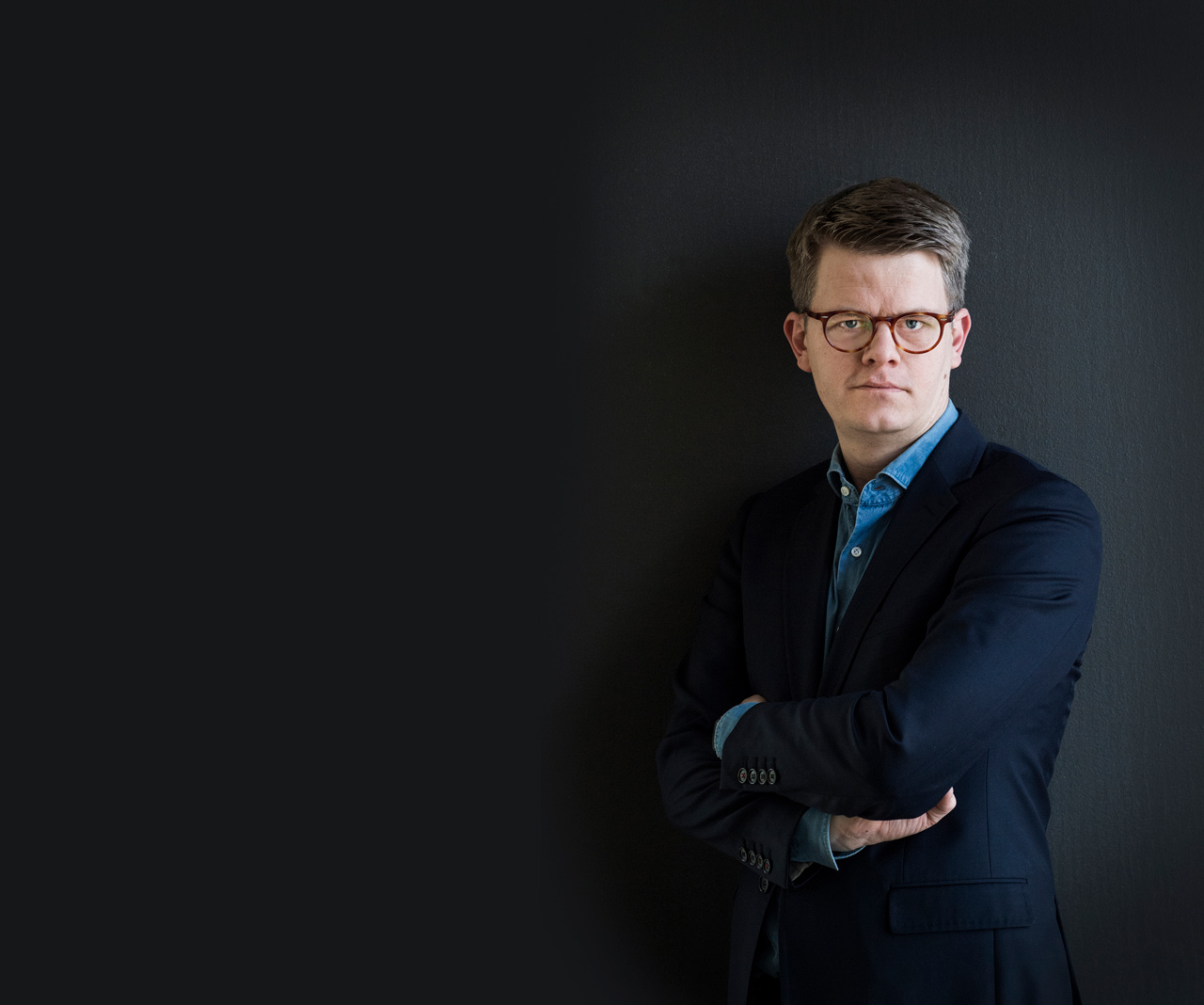
Per Grankvist is a trends analyst, writer and lecturer. He’s passionate about some of the key issues of our time: sustainability, ethics and social commitment at the private, political and professional levels. Viewing sustainability as a common-sense issue instead of a matter of policy and legislation makes it much easier to see what needs to be done and how to do it.
“We need to get away from all these silly abbreviations – CSR, ESG, GRI. They may sound impressive, but mostly they’re just confusing. If we want people and companies to understand what sustainability is all about, we need to explain it in a way that even my old mum would understand,” Grankvist says.
At the core it’s just plain common sense. It’s about getting back to how we used to act – up until around 100 years ago. It’s about conserving resources.
“We need to find a long-term sustainable way to take care of one another and our planet so it can support all of us. Sustainable development is about being able to make free choices now without robbing our children and grandchildren of that same opportunity.”
Conserving resources is everyone’s business. It’s something we’re all capable of, regardless of nationality or culture. Every time we use nature’s resources wisely, we save money. It’s about being sensible rather than short-sighted.
“Look at it this way: it’s great to have lights in the bathroom, but it’s wasteful to leave them on when you’re not there. So why not have lights controlled by motion sensors? That conserves your resources and saves money.”
Making money on sustainability is an abstract concept that seems hard to grasp. But making money on resources – physical and human – is easy. Every company wants to make money; that’s why they exist.
“Corporations are global, undemocratic organisations that are ruled by money. But consumers can make them listen through their buying power. When customers vote with their wallets, things start happening,” Grankvist says.
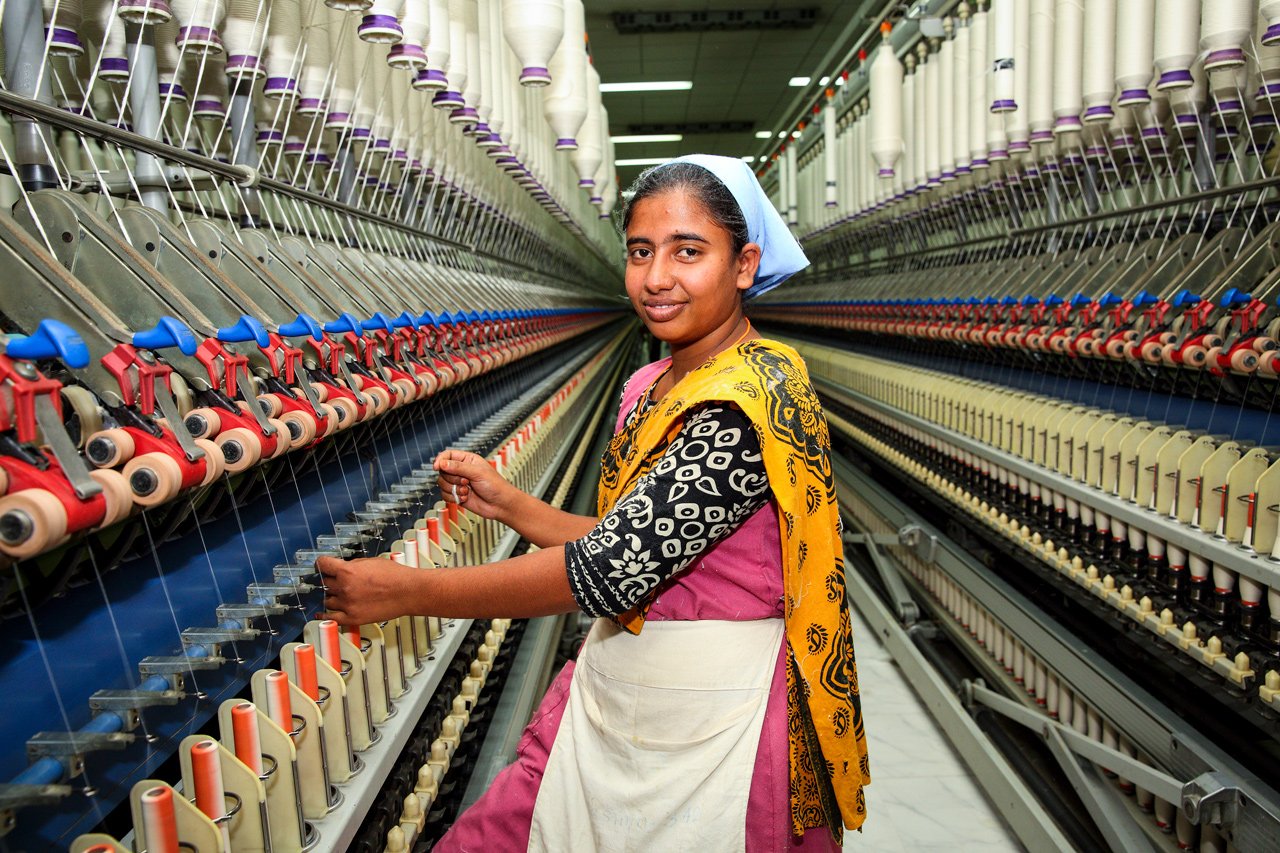
He puts the case of a certain global sports shoe manufacturer as an example. About 15 years ago, this company got into hot water when it emerged that their Indonesian supplier used child labour. Customers were not happy and started a boycott.
“It could have been one of the most ineffectual boycotts in history, but because the campaign went viral in the new social media, the company’s sales took a substantial hit. That made them get to grips with the issues in their supply chain.”
It’s a common misconception that prioritising sustainability is something companies do out of the goodness of their hearts.
“In much of northern Europe, particularly Scandinavia, we have a somewhat naive view of sustainability work. That you do it because it’s the right thing to do. Perhaps it’s a part of our Lutheran heritage, striving to be virtuous for virtue’s sake. But sensible companies see it as a way to make money.”
Grankvist describes how an international mining company brought that message home to him. “I met their marketing manager in New York, and she told me about their successful project to reduce the number of deaths in their mines. A very noble and worthy cause, I thought in my typical Swedish mindset. However, I soon felt foolish when she explained the company’s motivation: Digging a body out of the rubble takes days and costs a lot of money in terms of lost production time and unused equipment.”
Another example is an oil company replacing its pipelines to reduce the risk of leakage. Oil is simply too expensive to be leaked onto the tundra. The polar bears’ welfare is just an added bonus.
“If it’s possible to conserve resources whilst avoiding poisoning the world and still come in on budget – then of course we’ll do it!”
The US office furniture manufacturer Steelcase became a pioneer in its sector when it decided to clean up its textile dyes.
“They analysed every substance and slashed the list from 800 dyes to just 34 that were all environmentally defensible. As I recall, they were even edible, and still included every colour of the rainbow. They also consulted one of those famous Swiss analytical institutes and found that the local watercourses get less polluted when the dye process occurs upstream rather than downstream. Very smart!”
There are loads of examples like this. IKEA, famed for its flatpack furniture, switched to lightweight recyclable cardboard pallets instead of wooden ones, saving valuable volume and weight in transit. Then there was UPS, which redrew its delivery routes in New York so that its vans only make right turns.
“By eliminating left turns, you avoid idling at red lights, which saves time and minimises exhaust fumes. Not only can they deliver more parcels, they also save big money on fuel. So stop looking for ‘sustainability’ and ‘profitability’ solutions – if you look at resources instead, you’ll find all three!”
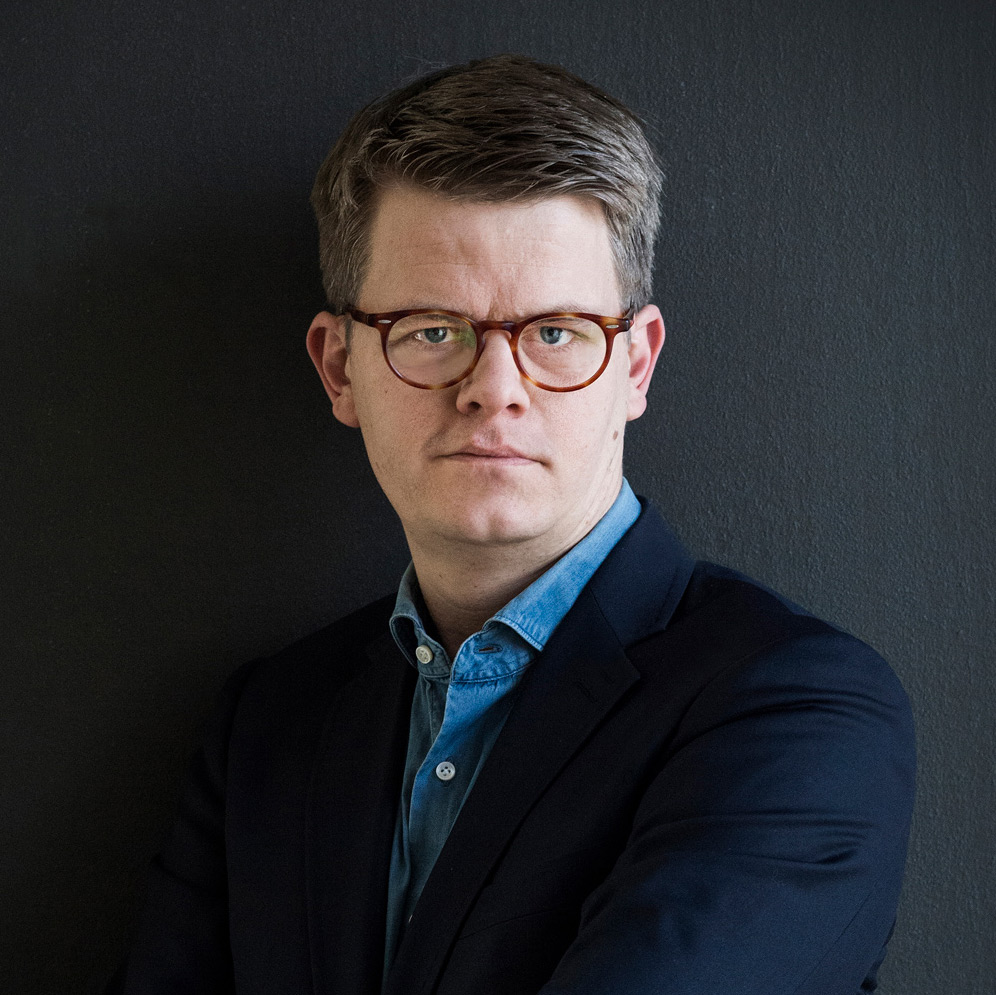 “If we want people and companies to understand what sustainability is all about, we need to explain it in a way that even my old mum would understand.” Per Grankvist, Swedish trends analyst specialising in sustainability issues
Sensible rather than short-sighted thinking has even become a key parameter of stock market analysis. Can the company turn a profit while conserving resources? Can it deliver what the customers want? Does it accept its social responsibility? If the answer is yes, the recommendation is: Buy! And if not – Sell!
Sustainability has become a competitive advantage, an opportunity to meet the market’s demand in the long term. One company that embraced sustainability as an important part of its brand was the Swedish fashion giant H&M. With its sustainable Conscious Collection, H&M established itself as one of the most progressive fashion companies in the market. Film stars, royalty and ordinary people are all clamouring to wear the Conscious Collection.
“Instead of overworked employees slaving in sweatshops, which is bound to negatively impact product quality, H&M ensure good working conditions from the start. The company learned from its previous mistakes. They changed their procedures and did it right. At first they just focused on having a sustainable collection – they forgot about being a fashion company. The trick, of course, was to combine high fashion with sustainable production. That’s when they hit the jackpot.”
Diversity is a much-vaunted word in companies’ CSR reports – but even this is all about resource management.
“It’s easy to reduce diversity to a focus on gender, ethnicity or age. But really, it’s about making the most of all the resources the company has. Consider language. Language is a unique resource. A company that can approach its customers in their own language will have a huge advantage in the global economy. At your local IKEA store, every employee wears a name badge with little flags indicating what languages they speak. It’s a lot easier to understand how to assemble your Billy shelves when it’s explained in your own language. Starbucks has a similar policy, where additional languages are seen as a bonus. The major banks have also started thinking along the same lines. How much better is it for customers to negotiate their home loans in a language they know? Diversity can always be converted into service, and service is money.
“The same thinking applies to diversity in the boardroom. Is it sensible to only have men on the board of a fashion company that manufactures and sells clothes for women? Or is it short-sighted?”
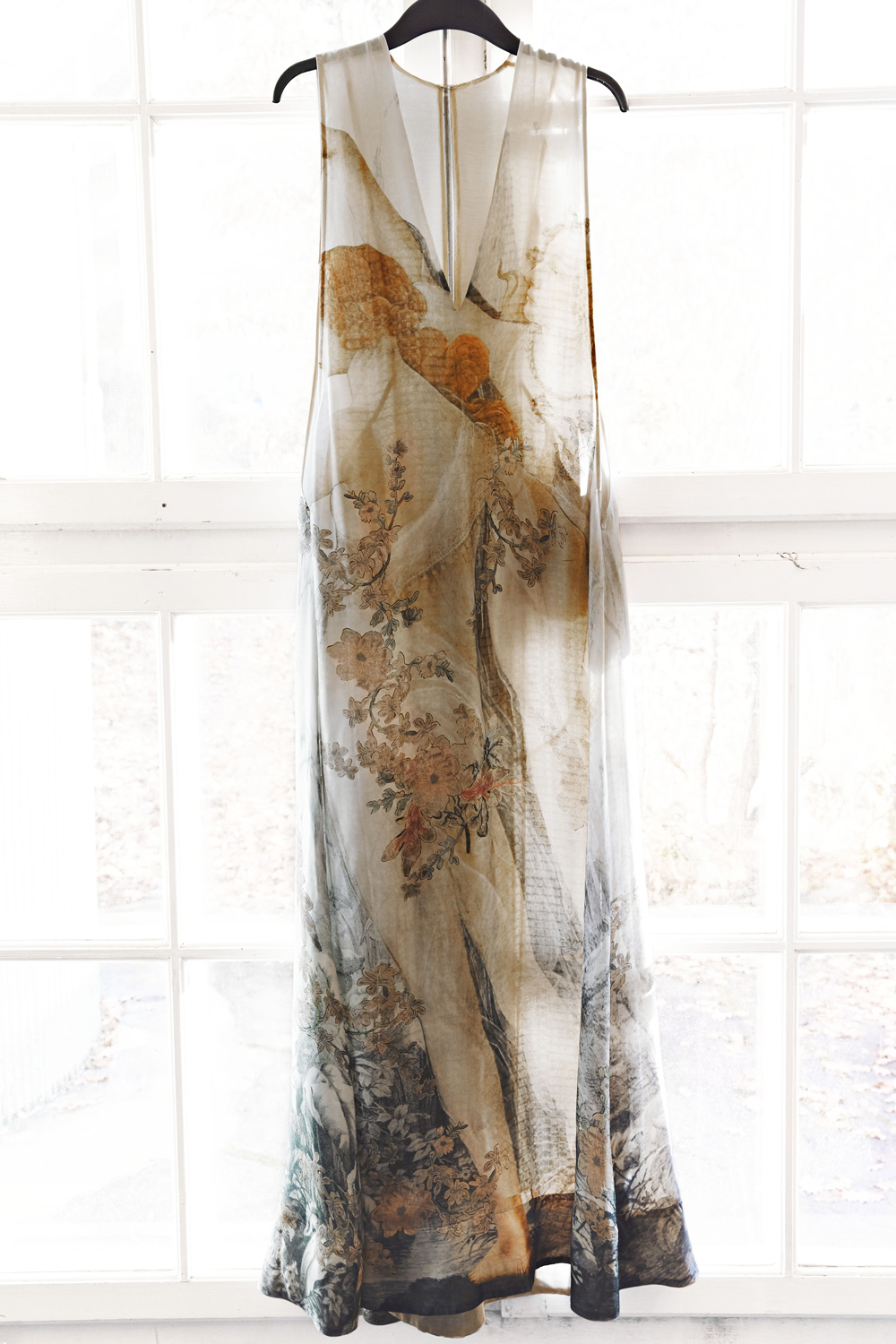
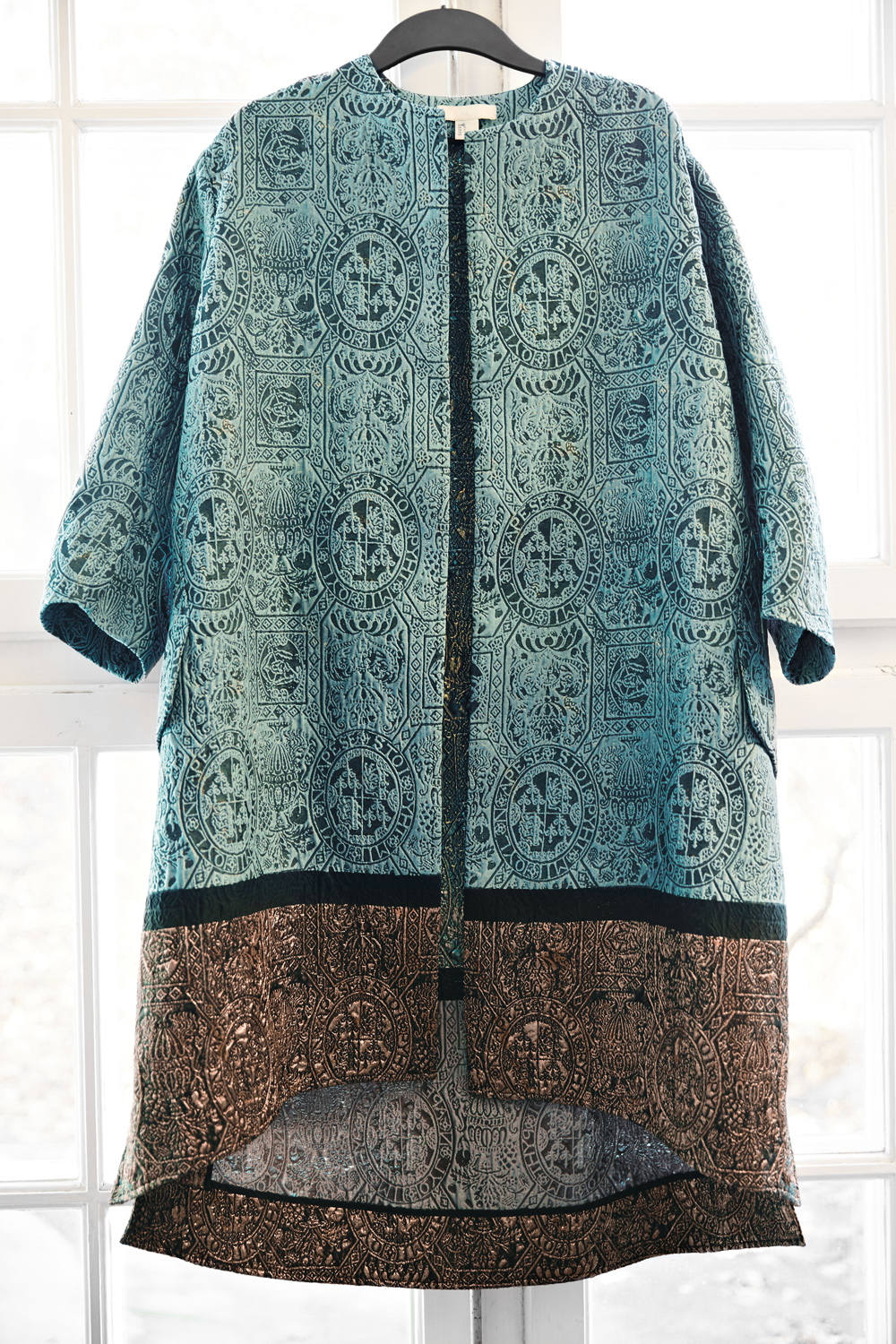
A company that works actively with its values and focuses on sustainability, and which integrates both into its brand, will be able to attract the very best staff. Assuming that it lives up to its values, of course.
“I don’t care if you have the most admirable values in the world emblazoned on the wall in your staff canteen. Your Code of Conduct means nothing until someone gets sacked,” Grankvist says.
If an employee is fired for visiting a brothel while on a business trip, it shows that the code of conduct is a force to be reckoned with. The alternative – playing down what happened or covering up the real reason the employee was fired – diminishes the code’s clout.
“If there’s one thing that makes companies take action, it’s when they mess up and lose business to their competitors. So there’s no question we’ll see companies step up. Politics is always local, but business is global. In the next 10 years, sustainability considerations will have a much greater impact on how companies do business than even the Internet has had. You can count on that.”
Related News
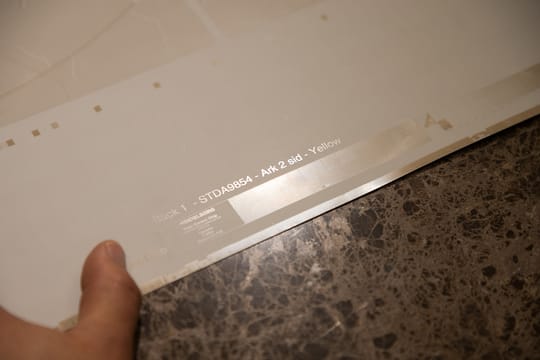
Reused printing plates in Fagerhult’s new cardboard luminaires
A used printing plate can be given a new lease of life as a component in a luminaire. This is exactly what happens in the Wrapped corner and ceiling luminaires, where used printing plates are reused and become an integral part of the design. Reusing printing plates perfectly encapsulates the concept of industrial symbiosis – where a residual product from one operation becomes a valuable input product in another. The idea took shape at a kitchen table in Lund, when Fagerhult’s Sustainability Manager, Niclas Thulin, was visiting his parents.“They asked how things were going at work, and I told them about Kvisten, which we were in the final stages of at the time. We were reusing reflectors from old TV sets for that product, and I mentioned that we were looking for more residual materials to reuse.” Niclas went on to explain that the company needed a steady flow and consistent quality over time – and, ideally, the same format as well. “And then my Dad, who’s worked in the printing industry his whole life, suddenly says, ‘What the heck, we’ve got loads of printing plates. They’re of the highest quality, always the same format – and they’re recycled.’ The next day, he brought home a couple of printing plates, which I then took to work and gave to my colleagues in the development department. “I could tell right away that they were similar to the materials we use in many of our luminaires. In addition, there were a large number of them, the quality was high and consistent, and they were roughly the same size. All the qualities we were looking for were there.” Quote Niclas From printing works to luminaire When the printing plates arrived at Fagerhult’s development department, they quickly attracted a lot of interest – could they be used in the new Wrapped luminaires?“I was in touch with the printing works about Wrapped and how we could use paper for the actual luminaire body. The printing plates were in the back of my mind at the time, so I raised the issue with them. They jumped at it immediately,” says Jonathan Levinsson, Design Engineer at Fagerhult.The printing works uses a great many printing plates, and some of these are now being used for Wrapped Corner and Wrapped Surface (ceiling). The sheet metal is installed on the inside, as part of the structure. Here it contributes to electrical safety, for example, by acting as an insulation and earthing layer. It also provides stability and can be used to secure cables and other components, for instance. Circular flow. Waste from one industry creates value in another. “The fact that the plates maintain the same dimensions and specifications over time ensures a stable material flow and makes it possible to plan production. This is a major advantage for us,” says Jonathan. Start with the material – not the product The work also highlights an important principle when it comes to industrial symbiosis. It is often easier to find a use for a residual product than to first decide what product you want to make and then try to find suitable recycled material.“I think you have to start with the raw material and then design the component based on that. If you design a component first and then try to find a suitable material, it can be really difficult,” says Niclas.The printing plates are a clear example. If Fagerhult had instead started by asking itself, ‘Where can we find sheet metal as a residual product?’ the search would probably have focused on the metal industry.“We might have been looking for a business that bends or punches sheet metal. We would never have thought about printing works, which are a completely different kind of business. That’s what makes industrial symbiosis so interesting.”At the same time, finding new connections is not easy.“It’s hard to know what residual products other businesses have, especially when you don’t always know exactly what you’re looking for yourself. I think we need more forums where people can gain an insight into other industries and businesses, and where we can discuss industrial symbiosis with a more open mind,” says Niclas. By sharing and developing ideas, Niclas and Jonathan enable new and innovative collaborations. Ideas that roam between departments At Fagerhult, there is already a way of working that fosters this kind of exchange of ideas. Niclas and Jonathan continually bounce ideas off each other, and a small group of people from Sustainability and R&D meet from time to time in order to brainstorm new ideas.“We share a lot of ideas with each other. It’s fun to see what grabs Jonathan’s interest and what doesn’t. At times, someone will have stumbled upon something that we can then build on,” says Niclas.In the case of the printing plates, the solution came from an unexpected source.“It was really just luck. My Dad wasn’t sitting around wondering how he could solve a problem for Fagerhult. But when I told him what we needed, he saw the opportunity right away. He’s clever and often comes up with his own solutions,” says Niclas. “I’m almost a little annoyed that I didn’t think of it myself.” A solution that links multiple workflows So far, we have not performed any calculations regarding the exact climate benefits. The principle is clear, however: when existing materials can be used rather than virgin raw materials, the potential exists to reduce the need for new resources. “We need to be open throughout the entire chain and to dare to look beyond our own industry. The right materials might be found in a place we’d never even have thought of looking,” concludes Niclas Thulin.
Fagerhult halves CO₂ emissions – 49% reduction since 2021
Material choices, product innovations, reuse initiatives, and a systematic analytical approach underpin Fagerhult’s reduced climate impact. Over five years, total CO₂ emissions have decreased by 49 per cent – far exceeding the company’s own targets. Using resources wisely has been a cornerstone throughout Fagerhult’s 80-year history, and it continues to shape the business today. Since 2021, this work has gained even sharper focus and direction, with clear carbon-emission targets, long-term plans, and a comprehensive sustainability programme based on life-cycle assessments (LCA).“A reduction of this magnitude in such a short time shows that systematic work truly makes a difference. It is the result of many large – and small – initiatives, where every improvement contributes to the whole,” says Josefin Carlsson, Sustainability Specialist at Fagerhult. Fagerhult's total CO₂ emissions have decreased by 49 per cent compared to 2021 levels. Many initiatives – one shared direction The success is underpinned by a series of strategic decisions in product development and processes. The work has been carried out across several parallel tracks, following the principle many small streams together create significant impact.“Innovation and sustainable solutions make a real difference for our customers and reduce emissions across the entire value chain – not just in our own production,” adds Josefin Carlsson. Josefin Carlsson, Sustainability Specialist at Fagerhult, Habo. The greatest impact is in the use phase, where emissions since 2021 have been steadily reduced by around 200,000 tonnes of CO₂e – a 49 per cent decrease. At the same time, emissions in Scope 1 and 2 have been reduced by 60 per cent compared with the base year. Sustainability in practice A decisive factor behind this progress is the many parallel initiatives, with material choices playing a central role.Since 2025, the majority of luminaires with housings made from extruded aluminium profiles contain up to 75 per cent recycled material. This contributes to an annual climate saving of approximately 225 tonnes of CO₂e.In 2025, Fagerhult reused more than one hundred luminaires per working day through the ReLight initiative. By upgrading existing luminaires with new technology and extending their life cycle, the climate impact from materials and production is significantly reduced. In total, more than 50,000 products have been given a new lease of life through reuse.Product development is also a key driver of the transition, and several innovations have both reduced climate impact and increased energy efficiency: Multilume Re:Think has reduced Scope 3 emissions by over 320 tonnes of CO₂e through smart design and environmentally sustainable material choices since its launch in 2021. This is equivalent to planting and growing 1,300 trees for ten years. Twin Dual Driver has reduced the climate impact of control gear by 49 per cent through more efficient electronics and improved material composition. Wrapped’s Solid Board housing has up to 89 per cent lower climate impact per kilogram compared with virgin aluminium. Gallery - products At the same time, more than one in ten luminaires sold today includes an integrated sensor, helping to reduce energy consumption during operation. A key factor behind the success is the long-term, fact-based approach.“Based on life cycle assessments, we have identified where and when climate impact occurs – and which actions have the greatest impact. We’re now carrying that knowledge forward in our continued efforts to further reduce our climate impact,” concludes Josefin Carlsson.