Related News

NEWS ARTICLE |
Beyond What We See – Exploring the Biological Role of Light
For most of human history, people lived almost entirely under natural daylight. The rhythms of sunrise and sunset shaped sleeping patterns, activity levels and the way the body responded to the environment. Today, modern life looks very different. Humans now spend 90% of their time indoors, surrounded by artificial light and increasingly separated from the full spectrum of daylight under which humans evolved. In conversations around wellbeing and the health of the human body, some researchers are beginning to ask whether light may influence the body in ways that extend beyond vision alone. One of those researchers is neuroscientist Professor Glen Jeffery at UCL’s Institute of Ophthalmology, whose research explores the relationship between light, mitochondria, ageing and visual function, including the potential biological role of longer wavelengths beyond the visible spectrum. This interview explores his research, insights, and the growing conversation about how modern indoor environments may be changing humanity’s relationship with light - not just visually, but biologically as well. The Evolution of Humans Under Daylight At the centre of Glen’s thinking is a relatively simple idea: the human body evolved under the full spectrum of sunlight over millions of years. “So many parts of your body and systems in your body were set over exposure to sunlight over millions of years,” he explains. “Your body has lost contact with your evolutionary history.” He explains that this evolutionary perspective is central to understanding why light may matter biologically. Human physiology developed in outdoor environments where daylight exposure was continuous, dynamic and spectrally rich. Modern indoor life, by comparison, represents a dramatic environmental shift. This does not mean modern lighting is inherently harmful, but rather society may only now be beginning to understand how profoundly modern environments have changed the way humans experience light. Beyond the Visible Spectrum When it comes to designing light, conversations often focus on what people can see: brightness, colour temperature, contrast, glare and visual comfort. Glen’s research, however, explores the possibility that wavelengths outside visible vision may also influence the body. “You only see a minute amount of the spectrum of sunlight, between roughly 400 nanometres (nm) to 700nm,” he explains. Visible light occupies only a relatively narrow band within the wider electromagnetic spectrum. Beyond it sit ultraviolet wavelengths on one side and infrared wavelengths on the other - both largely invisible to the human eye. Much of his recent work has focused on longer infrared wavelengths and their potential relationship with mitochondria - the structures within cells responsible for energy production. He argues that much of the sunlight exists beyond the visible spectrum that humans experience with the naked eye. This is where the conversation begins to move beyond traditional lighting discussions and into broader biological territory. Mitochondria, Energy and Ageing A significant portion of his recent work has explored how longer wavelengths of light - particularly around 670nm and near-infrared ranges - may influence mitochondrial performance and age-related decline in both animals and humans. A term many people may be unfamiliar with, but one that plays a fundamental role in the human body, is mitochondria. Often described as the body’s energy systems, mitochondria are essential to almost every biological process. “Everything you’re doing is relying on mitochondria,” Glen says. “Whether that’s using your muscles to kick your legs out of bed, or reach out for that cup of coffee.” In simple terms, mitochondria produce ATP, the molecule that powers cellular activity. His research explores how longer-wavelength light beyond 700nm may influence the efficiency of this process. “Long wavelength light lubricates each point where there’s a slight bit of resistance,” he explains, describing how photons may help support electron transfer within cellular energy pathways. While much of the science remains under investigation, Glen believes mitochondria may sit at the centre of broader questions around ageing, metabolism and human health. “The theory that sticks to the wall hardest is called the mitochondrial theory of ageing,” he says - the idea that ageing is closely linked to the gradual decline of mitochondria over time. As mitochondria become less efficient, the body’s ability to produce energy and maintain healthy function may also deteriorate. It is, however, important not to overstate conclusions. He emphasises that this is an evolving field with many unanswered questions, and believes the relationship between light, biology and human health deserves greater attention than it currently receives. Modern Indoor Life Whilst humans evolved under natural daylight, modern life is very different. People now spend much more time indoors than previous generations, fundamentally changing daily exposure to natural light. He points not only to artificial lighting, but to indoor lifestyles more broadly. Modern life increasingly takes place inside controlled environments, often with limited exposure to the full spectrum of daylight under which humans historically evolved. “We are making ourselves vulnerable because we’re living inside,” he says, “and we’re exacerbating that vulnerability with LED lighting.” Importantly, Glen does not separate modern indoor living from lighting technology itself. Instead, he sees them as interconnected parts of a much wider environmental shift. Beyond Circadian Lighting? Over the past decade, the lighting industry has increasingly explored circadian rhythms and human-centric lighting - particularly the role of light timing and blue wavelengths in regulating sleep and alertness. Glen does not see his research as contradicting that work, but rather broadening the conversation. In his opinion, it would be a mistake to think that light only does one thing. While circadian research largely focuses on visible wavelengths associated with the body clock, Glen’s work looks further into the infrared end of the spectrum and its potential biological effects. “These are two things that run hand in hand,” he explains. For him, the growing interest in circadian lighting reflects a wider shift towards understanding that light may influence people in multiple ways beyond visibility alone. A Conversation Still Emerging Glen believes researchers may now be approaching an important moment - not because all the answers exist, but because the questions themselves are beginning to change. For decades, conversations around light have understandably focused on visibility and visual performance. Increasingly, however, researchers are exploring whether light may also influence the body in broader biological ways that remain only partially understood. Exactly where this research may lead remains uncertain. But discussions around daylight, wavelength, and human biology are beginning to open new conversations about the relationship between people, light, and the environments they spend most of their lives in. In Part 2, we explore what these emerging ideas could potentially mean for lighting design, architecture and the future of healthy indoor environments.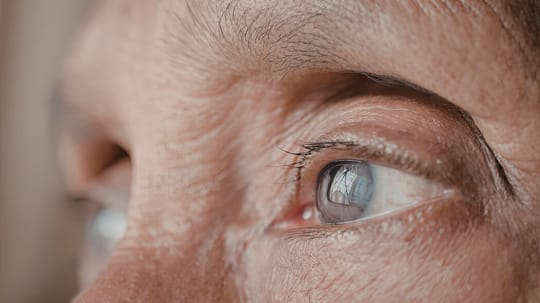
NEWS ARTICLE |
Designing Lighting for Changing Bodies and Minds
Buildings are often designed around a fixed idea of the “average” user, but in reality, people are anything but fixed. Our vision evolves with age, and our cognitive needs shift throughout the day. Hormones, health, neurodiversity, stress, screen use and circadian rhythms all influence how we experience light. Recognising these differences can help buildings better serve the people who use them. With increasing emphasis on people-first environments, lighting is no longer viewed solely as a technical requirement but as a dynamic design tool that can respond to human needs. Designing lighting – whether for workplaces, or education settings – means recognising that bodies and minds change, and that our built environments must adapt alongside them. We Don’t Experience Light the Same Way Forever A simple reality sits at the heart of human-centred lighting design: a 20-year-old and a 60-year-old do not perceive light in the same way. As we age, our eyes typically need more light to see clearly and comfortably. A 40-year-old may require around twice as much light as a 20-year-old for comparable visual clarity, while a 60-year-old may need four times as much. Yet many lighting standards are effectively based around the visual needs of a typical 40-year-old. In reality, building occupants span a far wider age range, each with different visual requirements. Colours may appear different, contrast becomes harder to detect, and glare often feels more distracting with age. Light that feels bright and comfortable to one person may feel harsh or insufficient to another. When lighting is designed only to meet minimum standards, these differences can leave some people comfortable while others struggle to see or experience fatigue. Designing for an “average” user, therefore, risks excluding many of the people who actually occupy a space. Changing Bodies: The Biological Dimension Human physiology shapes how we experience light throughout our lives. Lighting affects not only how we see, but how we feel, think and function. Ageing eyes typically require higher light levels and better contrast for comfortable visibility, whilst careful glare control becomes increasingly important to prevent visual fatigue. Hormonal changes can also influence light sensitivity and comfort. For example, people experiencing menopause may report increased sensitivity to light, fatigue and sleep disruption – all of which can affect well-being and productivity in the workplace. Circadian rhythms add another dimension. Modern lifestyles often involve long hours indoors, extended screen exposure and reduced access to natural daylight. Lighting that supports the body’s natural rhythms can help regulate alertness, mood and sleep patterns. This is where Human Centric Lighting (HCL) plays an important role. By considering the biological effects of light – including melanopic stimulation and the changing patterns of natural daylight – designers can create lighting environments that support both visual and physiological well-being. In this context, lighting becomes more than illumination; it becomes a subtle regulator of comfort, well-being, and daily rhythm. Changing Minds: Cognitive and Psychological Needs Lighting also plays an important role in cognitive and emotional experience. In workplaces and educational environments, lighting can influence concentration, stress levels and mental fatigue. The widespread use of digital screens means people frequently shift their focus between monitors, paper and the surrounding environment – placing new demands on lighting balance and contrast. Growing awareness of neurodiversity is also changing how designers approach sensory environments. Individuals with conditions such as autism, ADHD or dyslexia may experience sensory input differently, meaning lighting that feels neutral to one person may feel overwhelming to another. Recent research found that some users prefer lower light levels, reduced glare or warmer colour temperatures to minimise sensory stress. Flicker, reflections and uneven brightness can also contribute to discomfort or distraction. This does not mean there is a single “correct” lighting condition. Instead, it highlights the importance of flexibility and user choice. Designing for Variability, Not Uniformity If people experience light differently – and if those experiences evolve – then lighting design should not focus on uniformity, but adaptability. Traditional lighting schemes often aimed for consistency: evenly distributed illuminance, fixed colour temperatures and static lighting conditions throughout the day. Today, human-centred design increasingly recognises that spaces benefit from a custom lighting system. Lighting systems can support this through: Adjustability – allowing brightness and colour temperature to change Zoning – enabling different areas to support different activities Personal control – allowing individuals to tailor lighting to their needs Temporal change – aligning lighting conditions with natural daylight rhythms Visual hierarchy – guiding movement and attention through contrast Systems such as Organic Response enable these principles in practice. By integrating sensors directly into each luminaire, Organic Response enables lighting to continuously respond to occupancy and daylight levels throughout a space, with each fitting communicating with the ones around it, enabling localised dimming, adaptive zoning, and responsive lighting scenes without the need for complex central programming. This distributed intelligence means lighting can automatically adjust to changing conditions, support daylight-led rhythms and provide the flexibility needed for different activities and user preferences. In essence, it shifts lighting from something static and uniform to something that quietly adapts to the people and spaces it serves. The Architectural Responsibility Human-centric lighting works best when integrated into the architectural concept from the earliest stages of design. Daylight strategy, interior finishes, ceiling heights, surface reflectance and spatial planning all influence how light is experienced. Successful projects therefore require collaboration between architects, lighting designers, engineers and clients – including engagement with end users – to ensure lighting supports the wider spatial vision. This approach is becoming increasingly important as societies age and awareness of diverse user needs grows. Buildings must accommodate a broader range of visual and cognitive experiences than ever before. Designing for People Ultimately, the goal of lighting design is not simply to illuminate architecture, but to support the people who inhabit it. As people age, their sensory preferences evolve, lighting that recognises these realities can help create spaces that feel comfortable, supportive and intuitive to use. By moving beyond the idea of the “average” user and embracing variability, lighting systems can play a vital role in creating environments that reflect the diversity of human experience. And in doing so, lighting becomes one of the most powerful tools available for shaping truly people-centred spaces. Want to explore how lighting can support changing human needs? Get in touch with us to learn more about how we can help create more comfortable and inclusive environments.
NEWS ARTICLE |
Creating Human-Centric Workspaces with Double Dynamic Lighting
Lighting transcends its traditional role of mere illumination in modern, evolving work environments. Of course, providing the right light in the right places is still the core function, but it has also become a pivotal element in enhancing employee well-being, satisfaction, and productivity. Yet, a significant portion of the workforce remains dissatisfied with their current lighting conditions. A 2024 study by Ipsosrevealed that 32% of UK office workers are unhappy with their lighting, highlighting the need for increasingly innovative solutions. While another 2022 study by IEOM Society International found that 85% of employees strongly prefer natural light to be the dominant source of illumination in offices, and over 82% believe that access to natural light directly enhances their alertness, concentration, and productivity. This area was addressed by the groundbreaking Double Dynamic Lighting (DDL) study carried out, in collaboration with Fagerhult, at Aalborg University in Copenhagen. The results - by harmonising artificial lighting with natural daylight, and creating daylight-like effects, DDL creates dynamic, responsive environments that cater to human psychological needs, positively influencing visual comfort, naturalness, stimulation and leading to positive outcomes related to work engagement, motivation and concentration. Understanding Double Dynamic lighting (DDL) Double Dynamic Lighting is a design approach that integrates both direct and diffuse lighting, with colour temperature adapting in real-time to natural daylight variations. This method aims to replicate some of the characteristics and dynamic qualities of natural light within indoor spaces, enhancing the overall ambiance and functionality of the workplace. It’s not only about illumination levels but about creating lighting conditions that feel right to people. This includes changes in colour temperature over time and the balance between diffuse and focused light, both of which can have a significant psychological impact on how a space is perceived and experienced. Key features of DDL include: Dynamic adaptation: Lighting adjusts in response to external daylight conditions, ensuring optimal lighting conditions throughout the day. Enhanced visual comfort: The combination of direct and diffuse lighting helps deliver daylight-like effects, creating a comfortable visual environment. Work engagement, motivation and concentration: natural feeling, daylight-like effects delivered by DDL lead to positive psychological outcomes in the workplace. The research conducted at Aalborg University demonstrated that DDL positively influences employees' mood, concentration, and overall work engagement. Participants reported a more pleasant atmosphere and increased motivation when working under DDL conditions compared to static lighting setups. Going forward, Double Dynamic Lighting setups may also help us deliver better biological alignment in workplaces in line with the growing knowledge that human circadian rhythms can be positively supported by workplace lighting, potentially helping alertness during the day, relaxation in the evening, and deliver important health benefits. The science behind DDL The effectiveness of DDL lies in its ability to mimic the natural characteristics and progression of daylight. By adjusting colour temperatures, light intensities and the balance of direct and diffuse sources, DDL creates a dynamic environment that helps deliver natural-feeling workplaces. DDL's real-time responsiveness ensures that indoor lighting complements outdoor conditions. Whether the day is overcast, sunny, or anything in between, DDL can adjust the fundamental characteristics of indoor lighting to help provide lighting conditions that are, to all intents and purposes, naturally expected. Steve Shackleton, Lighting Application Manager at Fagerhult UK comments: “Human beings actually prefer daylight. We migrate to it if we get the chance. Double Dynamic Lighting lets you recreate just a bit of that, but it’s enough to completely change how a space feels. Try it. The effect is quite magical.” Implementing DDL in modern workspaces Fagerhult's DDL is not just a theoretical concept, it's a practical solution already enhancing workplaces worldwide. By integrating advanced sensors and control systems, DDL seamlessly adjusts lighting conditions to suit various tasks and activities. Key components of a DDL-enabled workspace include: Sensor Integration: Occupancy and daylight sensors monitor environmental conditions, informing lighting adjustments. Personalised Control: Employees can customise lighting settings to their preferences, enhancing comfort and productivity. Energy Efficiency: By closely aligning artificial lighting with natural daylight and the needs and whereabouts of building occupants, DDL can reduce energy consumption and support sustainability goals. Fagerhult's Control Track Versa system exemplifies this integration, offering modular lighting solutions that adapt to changing workspace needs. With features like adjustable luminaires and integrated sensors, it provides both flexibility and efficiency. Benefits beyond illumination Daylight-like lighting benefits extend beyond improved lighting conditions: Increased productivity: Comfortable and adaptable lighting environments can boost focus and efficiency. Sustainability: Optimised lighting and control reduce energy consumption, contributing to environmental conservation efforts. Employee satisfaction: Providing personal control over personal lighting preferences can lead to higher job satisfaction and retention rates. Enhanced well-being: Taken to its optimum, by aligning lighting with natural circadian rhythms, DDL can help support mental and physical health. One barrier to wider adoption is cost, though Steve is quick to challenge assumptions: “In the grand scheme of things, the benefits widely outweigh the costs. It’s not like the old days where tunable white lighting was double the cost. Today, we’re talking perhaps 20-30% extra. Not a great deal in a world where, as the BCO puts it, ‘it is becoming increasingly clear that there is a difference between office environments that are simply not harmful - that is the absence of bad - and environments that positively encourage health and wellbeing and stimulate productivity’”. He also points out the deeper value of the investment: “If you’re building a space for people and you know what helps them feel and perform better, can you justify not including it? Is it even sustainable NOT to include it?” Putting people first As workplaces shift to becoming more people-centric to meet the expectations of modern employees, lighting solutions must do the same. Fagerhult’s approach to Double Dynamic Lighting prioritises occupants and human well-being, as well as environmental sustainability and operational performance. By embracing DDL, organisations can transform their environments into dynamic, human-centric spaces that inspire, engage, and support. And it’s not just office workers who can benefit. In retail environments, where access to natural light is often limited by infrastructure, employees may spend 8–9 hours a day without any daylight exposure. DDL could help replicate the dynamic qualities of daylight, promoting a natural feeling environment, for better mood and comfort throughout the day. Similarly, in education settings, where focus, concentration, and cognitive performance are critical, DDL could create optimised, more stimulating classrooms that support both students and teachers. From corporate HQs to classrooms, and retail back-of-house to deep-plan floorplates, DDL isn’t just a lighting upgrade, it’s a shift toward environments that put people first.
Return to top