Using resources wisely has been a cornerstone throughout Fagerhult’s 80-year history, and it continues to shape the business today. Since 2021, this work has gained even sharper focus and direction, with clear carbon-emission targets, long-term plans, and a comprehensive sustainability programme based on life-cycle assessments (LCA).
“A reduction of this magnitude in such a short time shows that systematic work truly makes a difference. It is the result of many large – and small – initiatives, where every improvement contributes to the whole,” says Josefin Carlsson, Sustainability Specialist at Fagerhult.
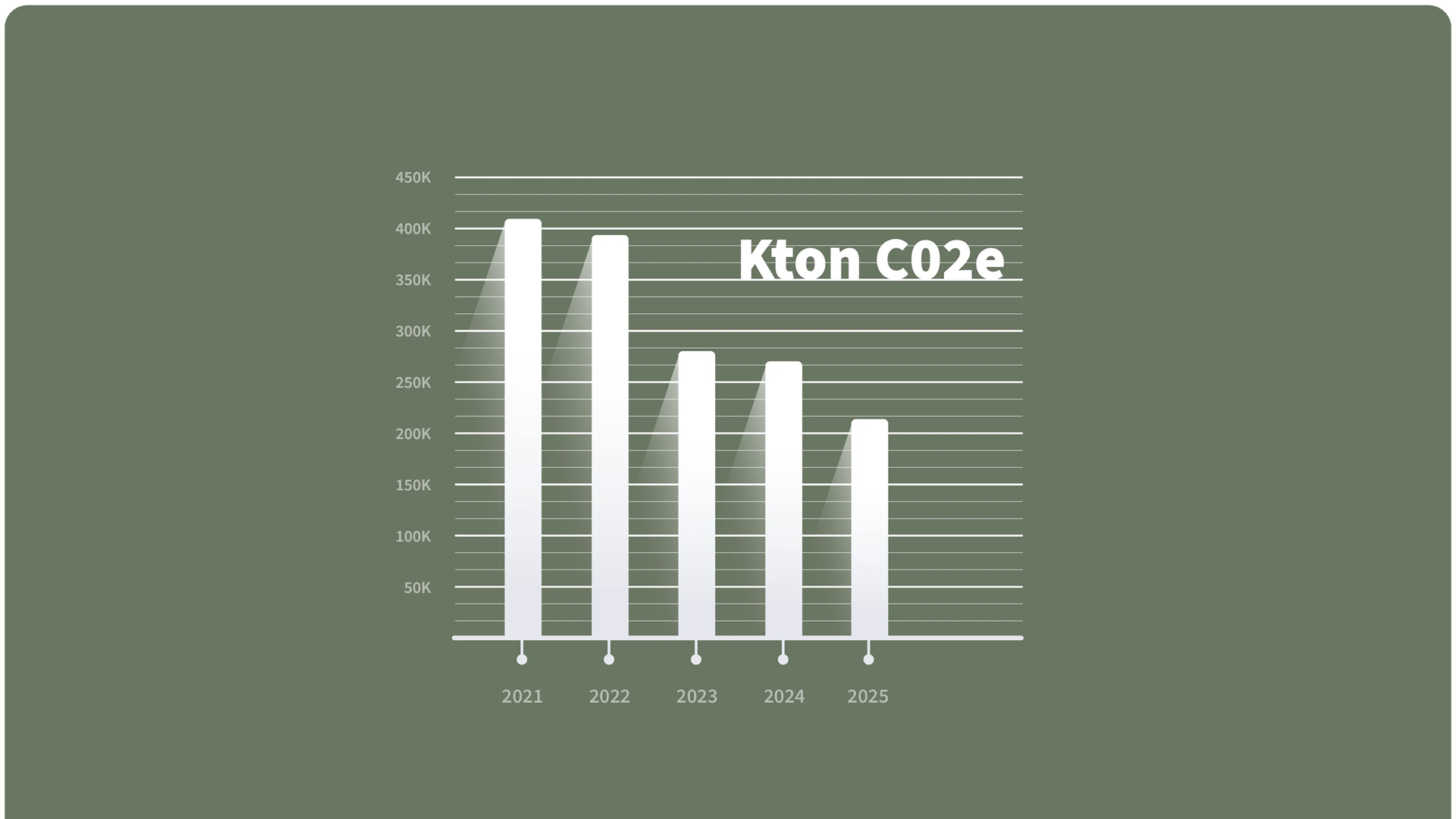
Fagerhult's total CO₂ emissions have decreased by 49 per cent compared to 2021 levels.
Many initiatives – one shared direction
The success is underpinned by a series of strategic decisions in product development and processes. The work has been carried out across several parallel tracks, following the principle many small streams together create significant impact.
“Innovation and sustainable solutions make a real difference for our customers and reduce emissions across the entire value chain – not just in our own production,” adds Josefin Carlsson.
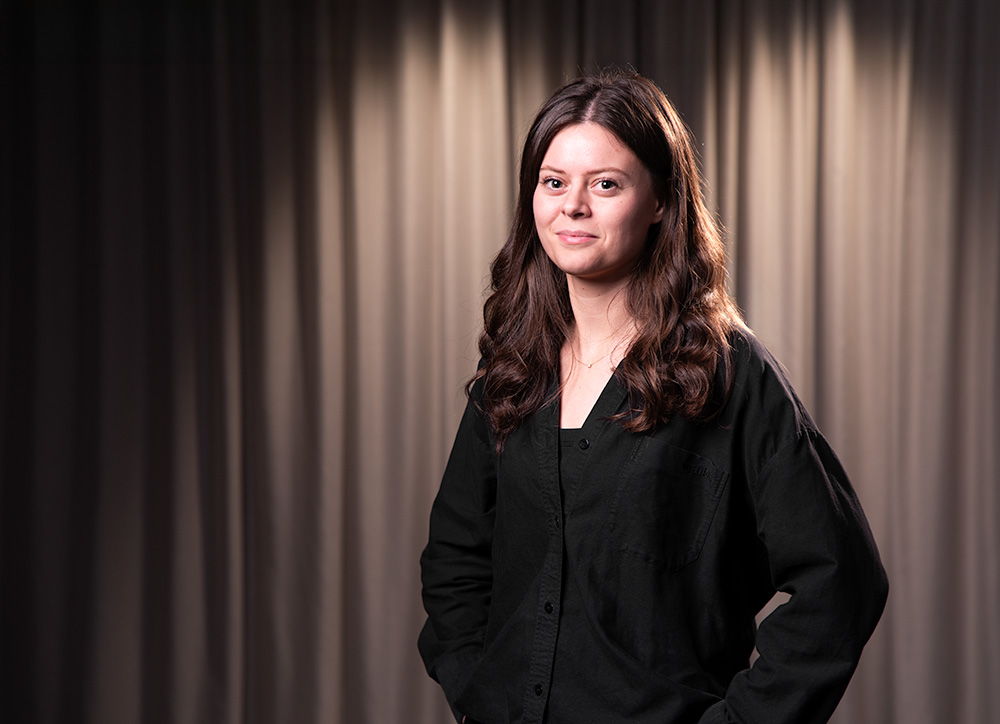
Josefin Carlsson, Sustainability Specialist at Fagerhult, Habo.
The greatest impact is in the use phase, where emissions since 2021 have been steadily reduced by around 200,000 tonnes of CO₂e – a 49 per cent decrease. At the same time, emissions in Scope 1 and 2 have been reduced by 60 per cent compared with the base year.
Sustainability in practice
A decisive factor behind this progress is the many parallel initiatives, with material choices playing a central role.
Since 2025, the majority of luminaires with housings made from extruded aluminium profiles contain up to 75 per cent recycled material. This contributes to an annual climate saving of approximately 225 tonnes of CO₂e.
In 2025, Fagerhult reused more than one hundred luminaires per working day through the ReLight initiative. By upgrading existing luminaires with new technology and extending their life cycle, the climate impact from materials and production is significantly reduced. In total, more than 50,000 products have been given a new lease of life through reuse.
Product development is also a key driver of the transition, and several innovations have both reduced climate impact and increased energy efficiency:
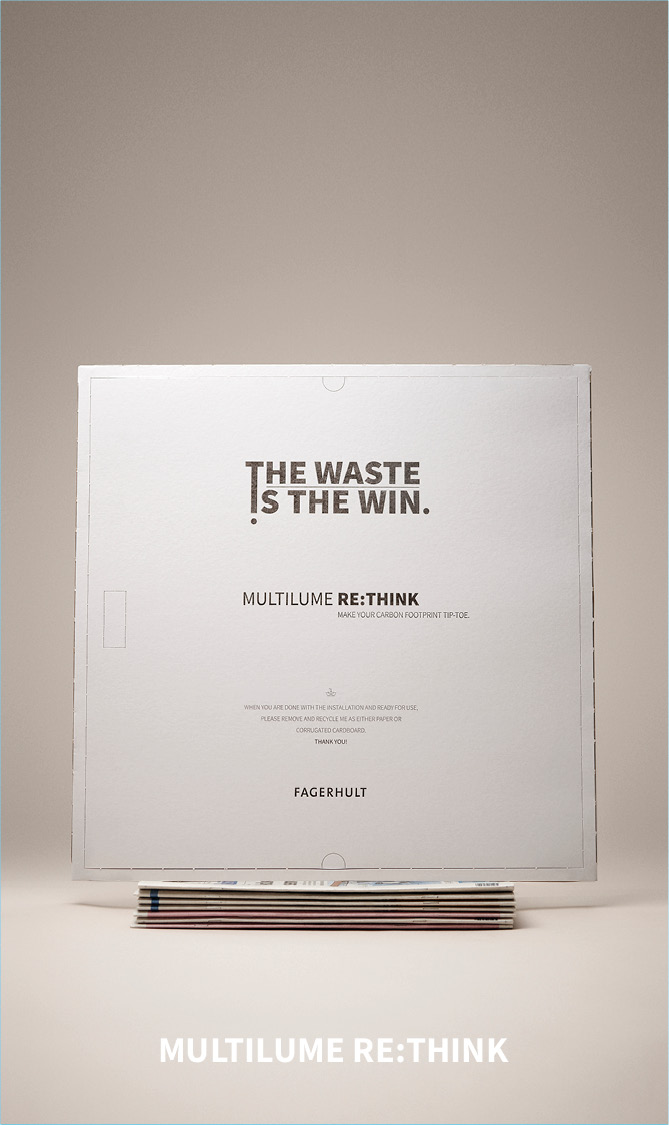
- Multilume Re:Think has reduced Scope 3 emissions by over 320 tonnes of CO₂e through smart design and environmentally sustainable material choices since its launch in 2021. This is equivalent to planting and growing 1,300 trees for ten years.
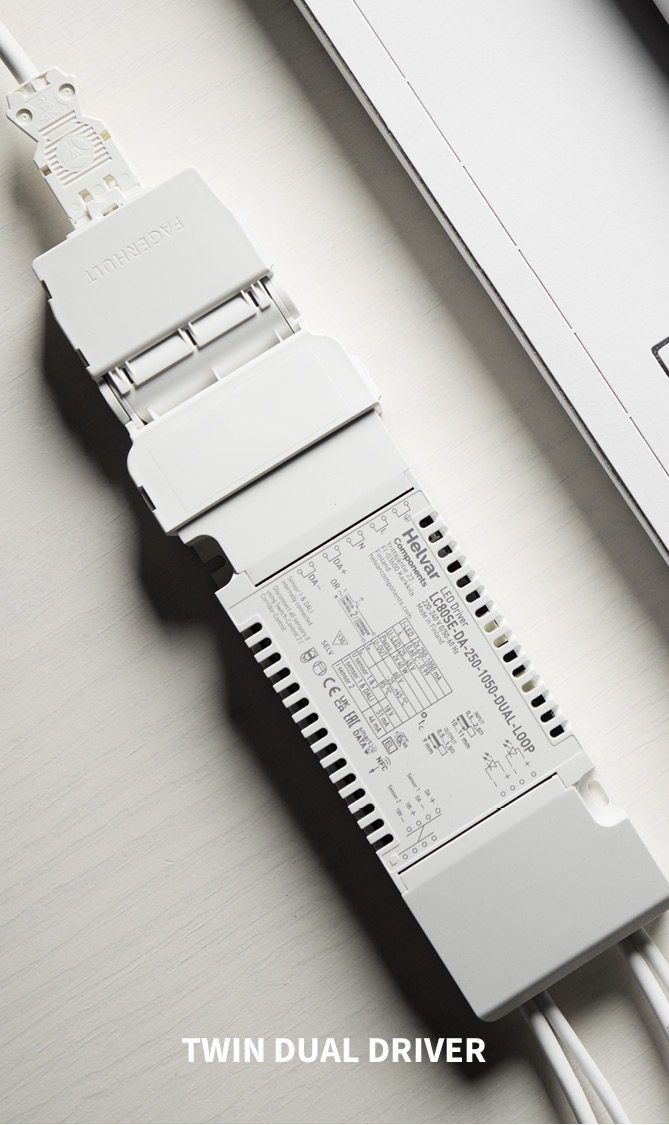
- Twin Dual Driver has reduced the climate impact of control gear by 49 per cent through more efficient electronics and improved material composition.
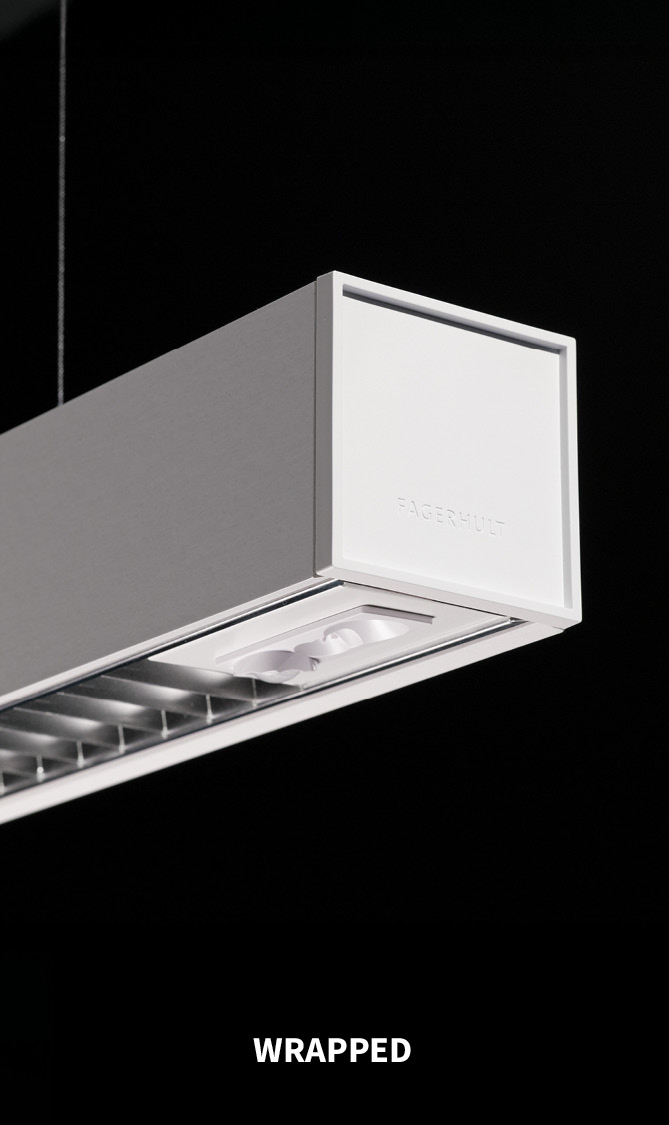
- Wrapped’s Solid Board housing has up to 89 per cent lower climate impact per kilogram compared with virgin aluminium.
At the same time, more than one in ten luminaires sold today includes an integrated sensor, helping to reduce energy consumption during operation. A key factor behind the success is the long-term, fact-based approach.
“Based on life cycle assessments, we have identified where and when climate impact occurs – and which actions have the greatest impact. We’re now carrying that knowledge forward in our continued efforts to further reduce our climate impact,” concludes Josefin Carlsson.