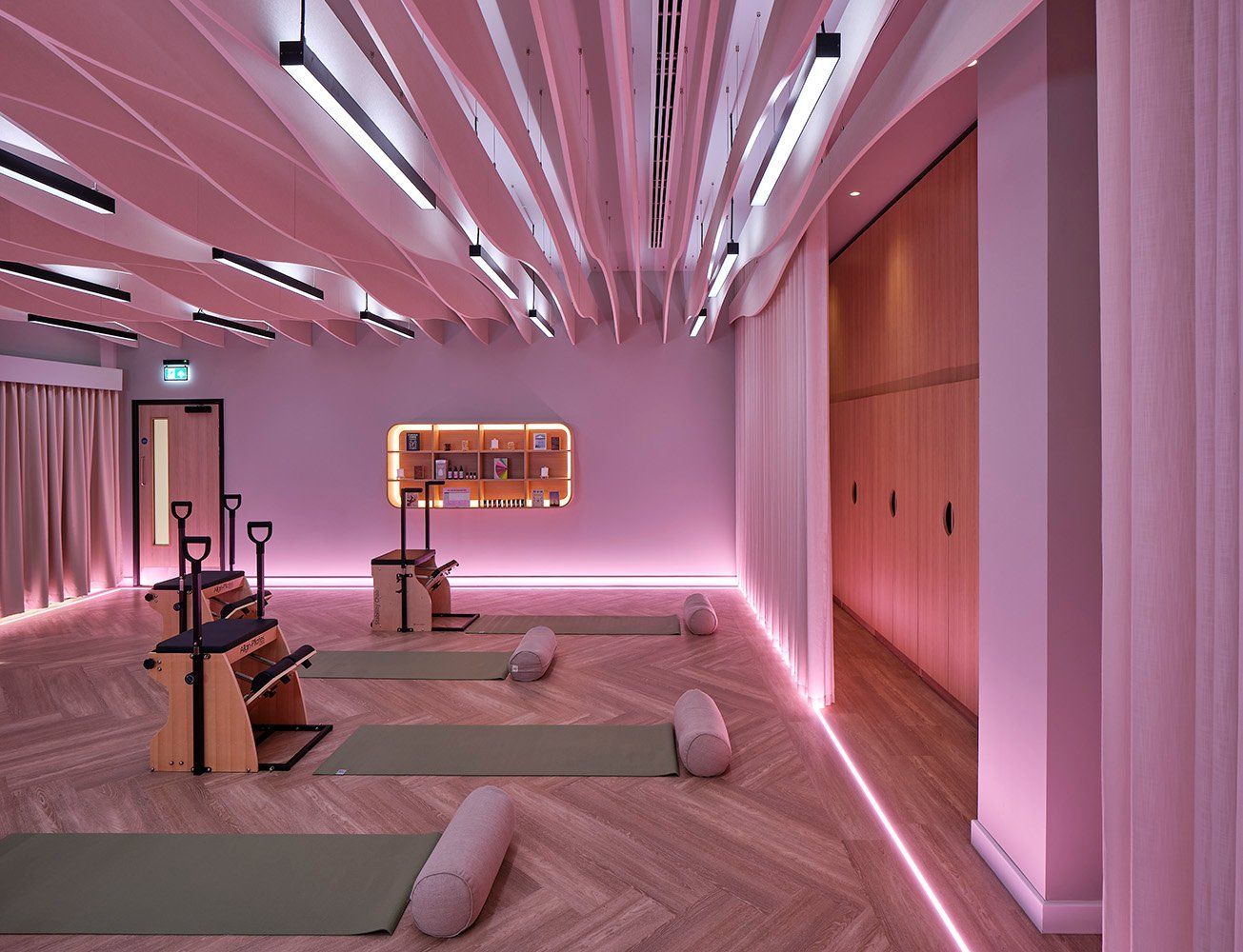
Fagerhult played a role in bringing this concept to life, providing lighting solutions to help realise the client’s vision of a human-centred wellness and retail space.
Store Concept and Design
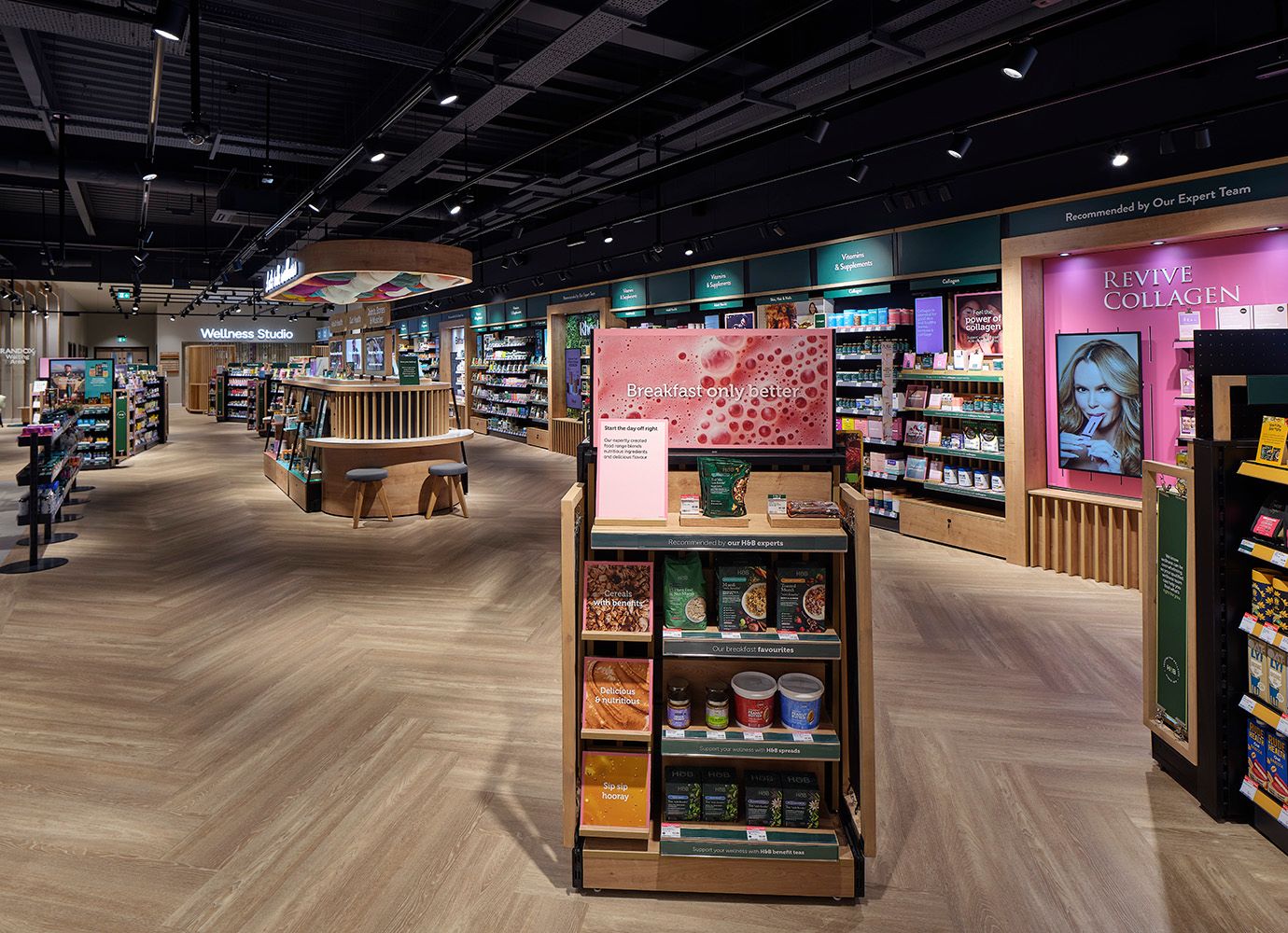
The Cardiff store is a major step in Holland & Barrett’s strategy to become a purpose-led wellness destination. The store was designed to evoke a feeling of calm and comfort, while remaining accessible and encouraging self-guided discovery of products and services.
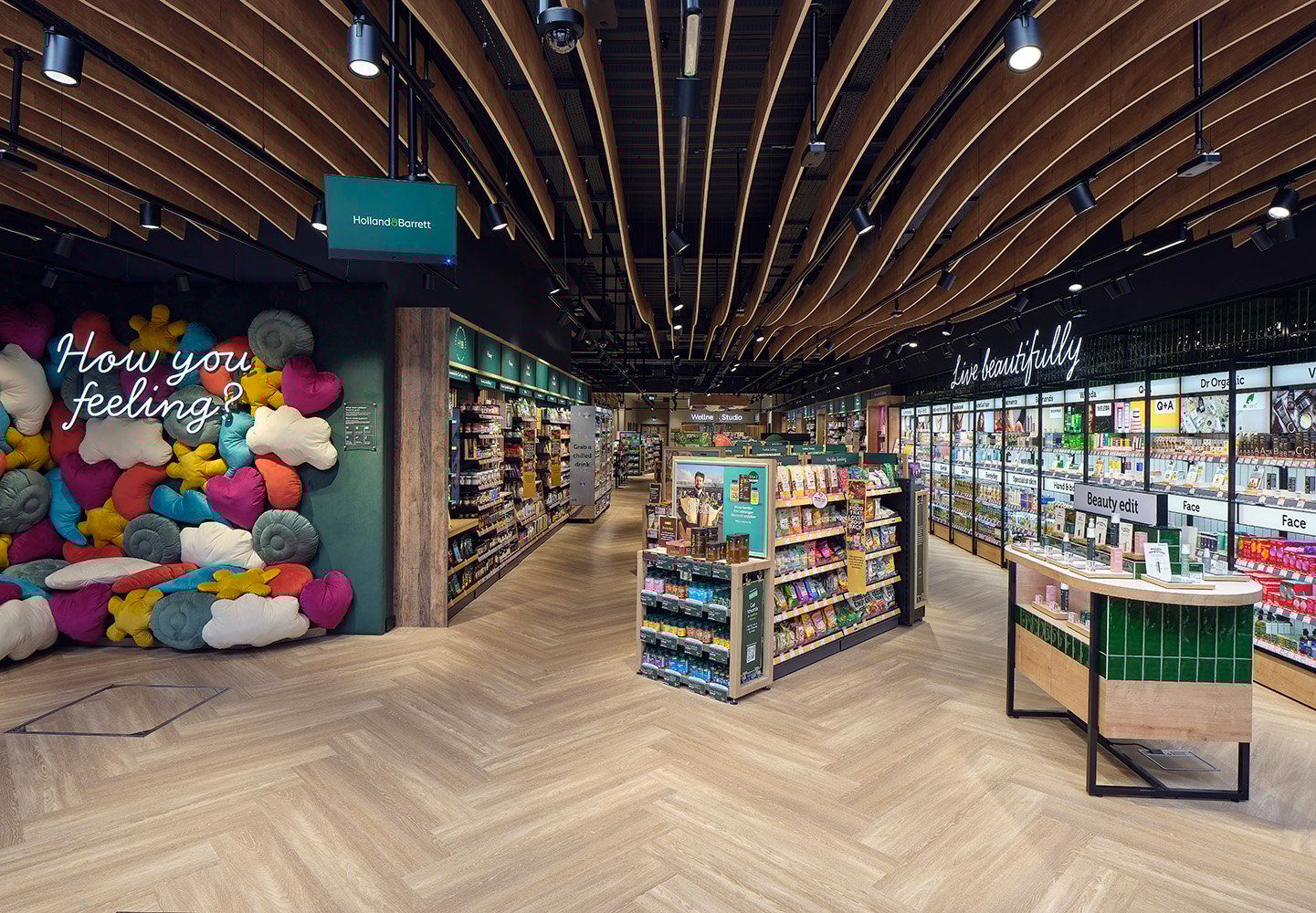
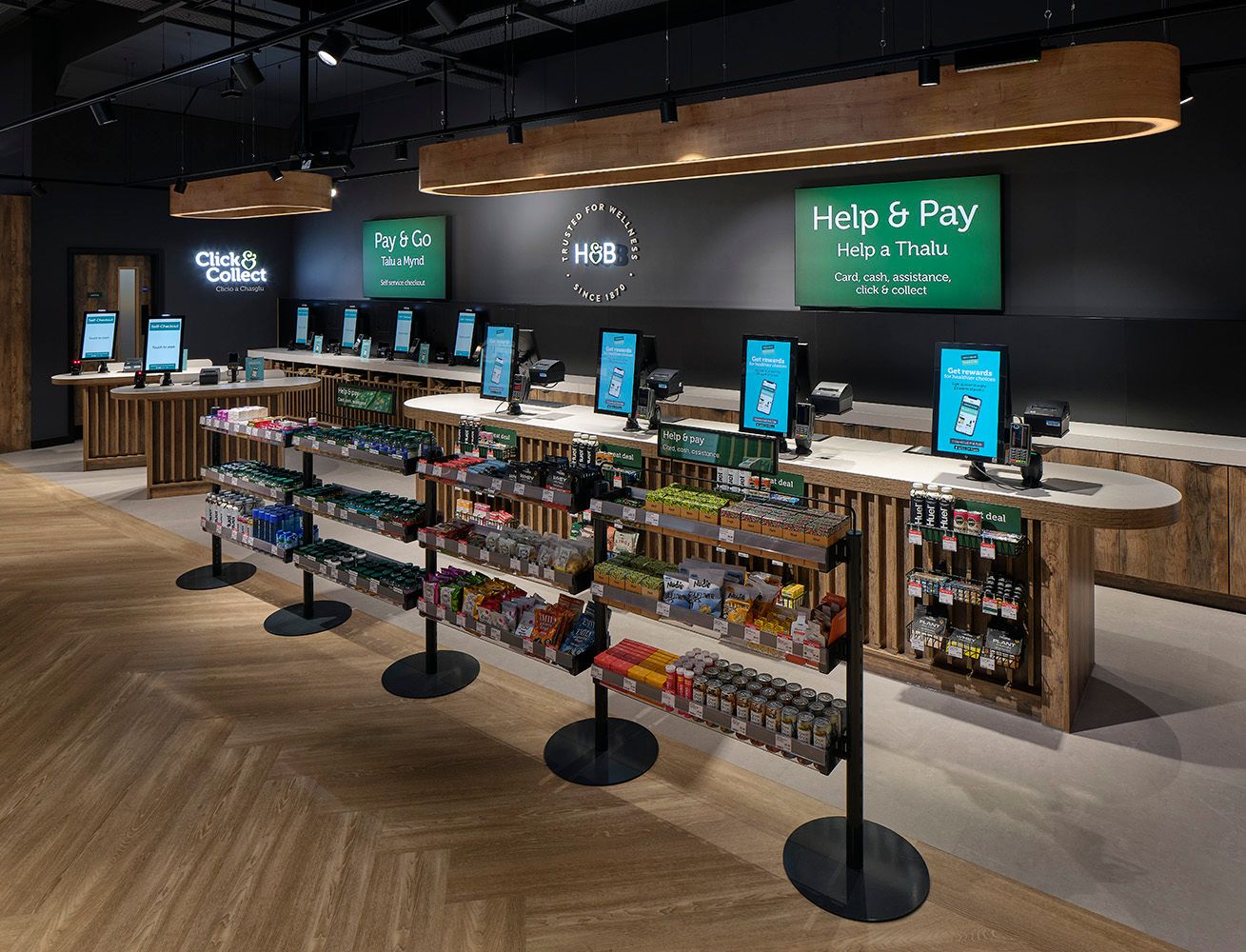
Fagerhult’s role was to provide lighting that supported the design, ensuring visual comfort and product clarity while adapting to the needs of each space - from retail areas to consultation rooms and the Wellness Studio. Fagerhult worked closely with the client and creative agency Syn to ensure the lighting complemented the store’s layout, materials, signage, and interactive features.
 “Holland & Barrett is transforming the way its stores look and operate, introducing wellness suites and a range of services that promote wellbeing alongside retail. We were selected to provide the lighting that would support this new approach at the Cardiff store” Charles Toomey, Country Manager, Fagerhult UK
Wellness Studio
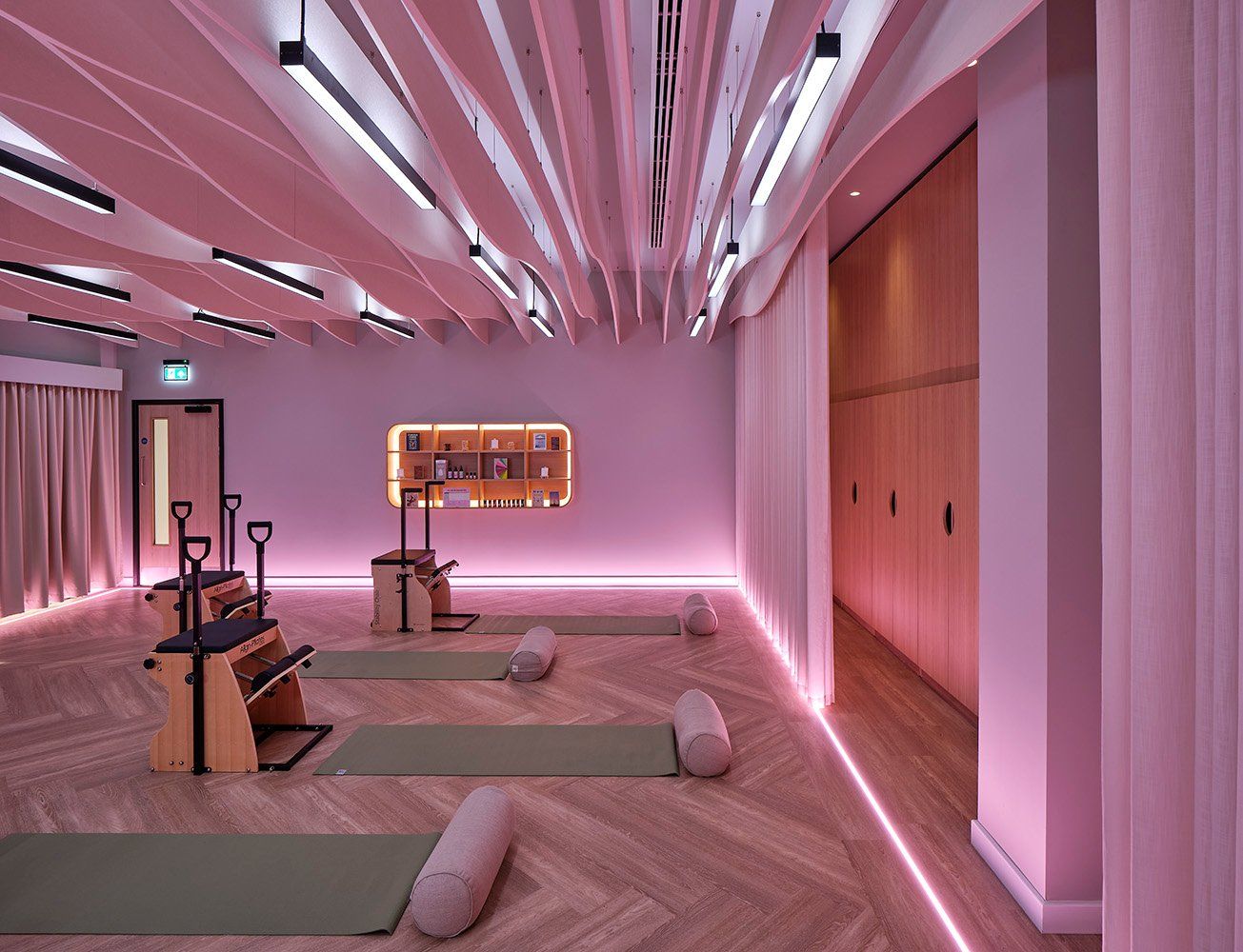
The Wellness Studio at the rear of the store is the centrepiece of the wellbeing concept. Tunable white lighting allows the colour temperature to shift between cooler, energising tones and warmer, calming light. RGBW in-ground luminaires add colour and support different moods for yoga, pilates, and other activities.
Lighting scenes are controlled via dedicated scene controllers, allowing instructors to adjust settings manually depending on the session.
“This area was really exciting to work on,” says Charles. “For sessions like yoga, the tone of light is important. Being able to adjust warmth and colour helps support the activity taking place. The ability to change light to suit the activity makes the space feel dynamic and responsive. It brings an extra layer to the experience and really supports the wellbeing focus of the studio.”
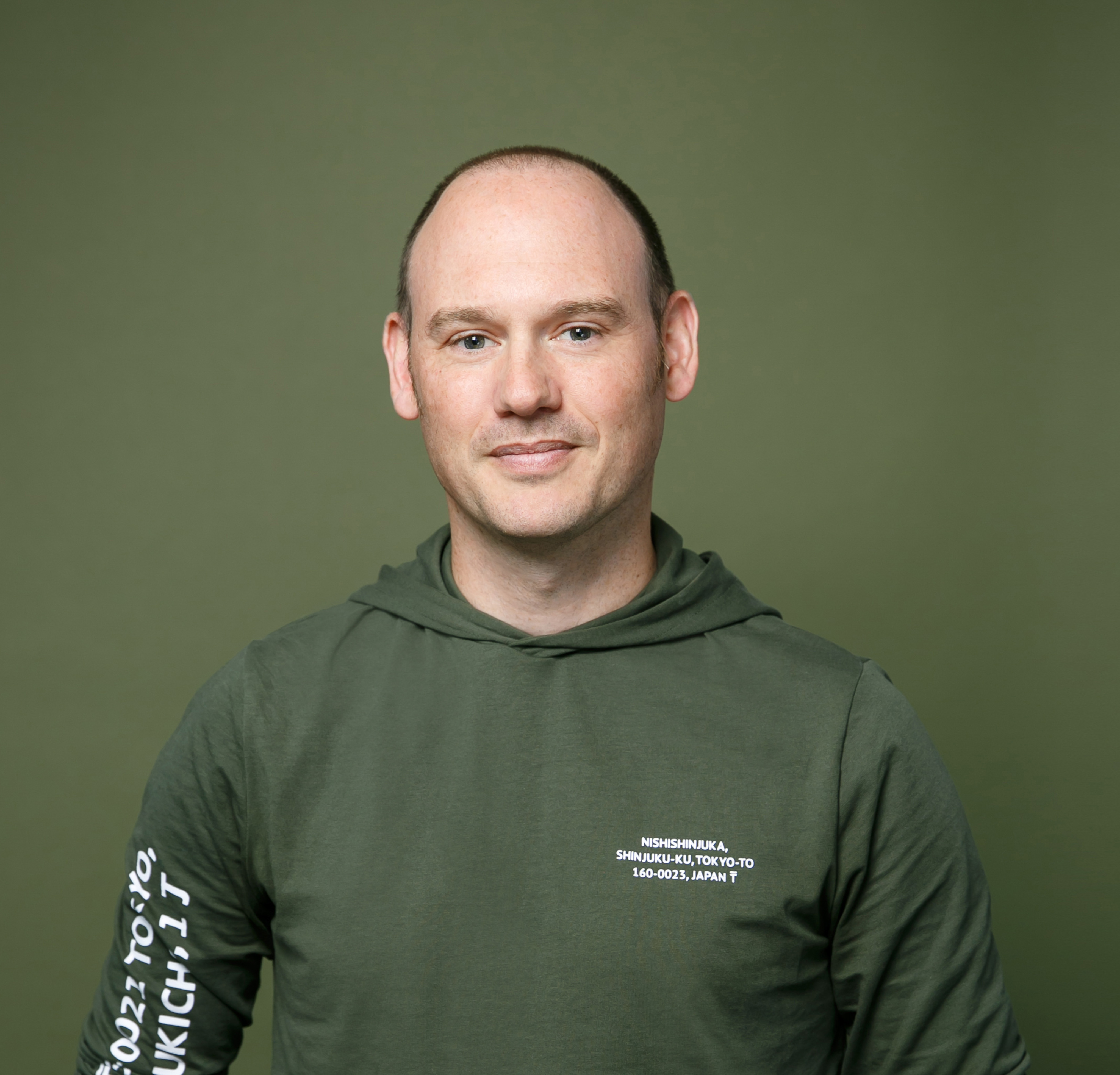 “The controls are straightforward to use. That was important so the space could be used confidently by different instructors.” Dave Hughes, Head of Lighting Design at Fagerhult UK
Supporting the Customer Journey Through Light
Lighting plays a key role in attracting customers into the store. As Charles explains, “From the street, the entrance is designed to stand out, using illuminated signage and a large digital display to draw attention and encourage people inside.”
Inside, the layout is long and relatively narrow, with clear views towards the rear of the store where the Wellness Studio is located.
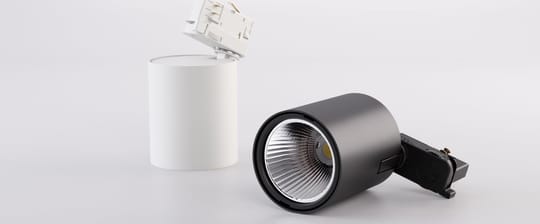
Streamer Mini Twin luminaires were installed throughout the retail areas. The twin-head design of these spotlights helped to reduce installation time and costs, while providing flexibility across different zones. Integrated dip switches allow the luminous output to be adjusted, making it possible to increase the light in a specific area or brighten the entire store if it feels too dark.
“The Streamer Mini Twin is an extremely efficient fitting, meaning energy efficiency is built into the lighting scheme,” says Dave.
Each bay is carefully illuminated with dedicated fittings aimed at product headers and shelving, keeping the focus on merchandise rather than surrounding surfaces.
“The lighting is designed so that shadows fall on the floor, not the products,” says Charles. “That way, attention stays on the merchandise, and the space isn’t over-lit.”
Consultation and Testing Areas
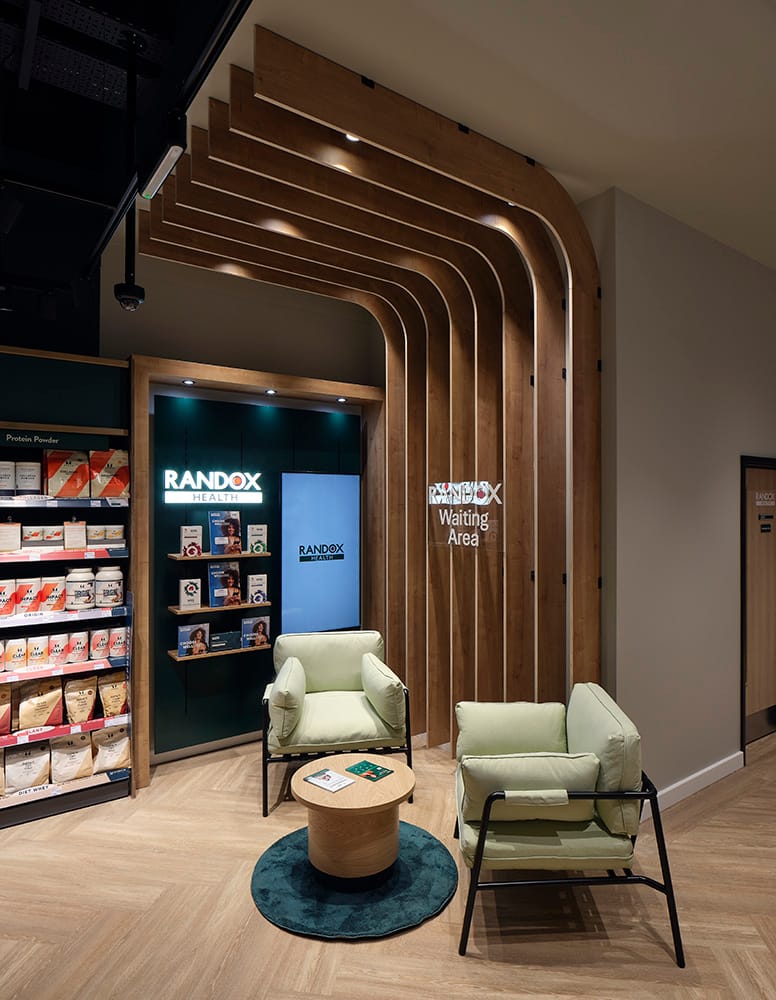
Consultation and testing rooms within the store were lit to higher levels to support clinical tasks and visual clarity. These spaces required a more neutral and functional lighting approach to ensure comfort and accuracy during health checks.
Collaboration and Delivery
Fagerhult worked alongside Syn and the wider project team during the design and delivery stages, particularly around the Wellness Studio and specialist areas. Coordination across disciplines helped ensure the lighting responded to both the spatial design and operational needs of the store.
All luminaires were held in UK stock and delivered within short lead times, supporting the project programme and Holland & Barrett’s wider store investment plans.
“Delivering reliably and on time is essential,” says Charles. “It allows the client to progress with confidence.”
Recognition
The day before the store opening, the client gathered designers, installers, and suppliers to celebrate the completed store and acknowledge everyone’s contribution.
“It was really rewarding to see everyone so pleased with the outcome,” says Dave. “The Wellness Studio, with its adjustable lighting, was particularly well received and made a real impact on everyone.”
“It was a real team effort,” adds Charles. “We worked closely with Syn and the wider project team to ensure the lighting complemented the design and operational needs. The recognition the store has received, including the New Store Game Changer award and being named Store of the Month, shows that this collaboration really paid off. Seeing the store completed and hearing the client’s feedback made it clear the lighting delivered exactly what was needed.”
Explore how Fagerhult can help you transform your retail and wellbeing environments; get in touch today.
Related News

Experts in retail lighting: Tom Harries
Our focus on retail lighting and design requires a high level of expertise to ensure client satisfaction and to bring their visions to life. With fast-paced project timelines, retail lighting must be tailored to meet specific needs while ensuring full compliance with energy regulations and fulfilling aesthetical needs. We spoke to Tom Harries, Business Development Manager at Fagerhult, to explore how his specialised background supports our retail clients and how his approach goes beyond a typical sales strategy. From product design to lighting expertise Can you tell us about your background and how you ended up in your current role? I earned a degree in Product Design at Brunel University, where I had the opportunity to take part in a year-long lighting design course - the first time such a course had been offered at the university level – which involved designing a light fitting as part of my dissertation. Following that, I had a placement at Aktiva, a UK-based company which designs and manufactures contemporary lighting solutions, specialising in high-quality, bespoke light fittings. After graduating, I joined Fagerhult, as a lighting designer. Initially, I was focused purely on design, but I soon realised I enjoyed the customer-facing side of the role, which led me to transition into sales. Having a design background is quite rare in a sales role and allows me to bring a different perspective to the position. My experience allows me to focus on discussing the scheme with the client, exploring how we can enhance it, and considering how materials can look and feel in the space. It’s very much a collaborative conversation. Overcoming challenges in retail lighting design What are the biggest challenges in retail lighting design? The main challenge is pace—when you’re working on a store refit, everything has to happen incredibly fast. While office projects might take two to three years, retail projects often need to be turned around in as quickly as one month to get the store open as quickly as possible. There’s often only time for quick sketches and drawings, so you need to find ways to quickly bring those concepts to life. Another challenge is the bespoke nature of retail design. Each project must be unique, which I find rewarding. I enjoy finding creative solutions that balance both aesthetic and practical needs. From concept to completion What does a typical day look like for you? A big part of my work revolves around managing accounts like Frasers Group, which owns a wide range of brands, ranging from Sports Direct to high-end stores like Flannels and Frasers and those in between like Jack Wills and Sofa.com. I often attend pre-site meetings in empty buildings, collaborating with architects and clients to explore what is possible. Once the design concept is agreed upon, we work to ensure that everyone is aligned and satisfied with the results. I also deliver CPD presentations to retail design agencies, sharing our expertise and building trust in our ability to bring client's visions to life through effective lighting solutions. Bringing brands to life What aspect of your work do you enjoy the most? I love working on concept development—trying to understand what a brand is aiming to achieve and then figuring out how we can realise that vision in a way that is both practical and visually striking. Sometimes we are working with tight budgets, so part of the challenge is making sure the concept works for everyone involved. Working with twelve brands under the Frasers Group umbrella, each with their own unique requirements, keeps things interesting, and being their sole lighting supplier allows us to create tailored solutions that fit each brand’s identity perfectly. Which project are you most proud of? I’m particularly proud of two standout projects. The first is the Sports Direct flagship store on Oxford Street, a massive 50,000 sq. ft space spread across four floors. This project, part of a £10 million investment from the Frasers Group, took about a year to complete. We incorporated various Fagerhult products, alongside LED Linear and LTS, as well as bespoke elements like the curved LED feature around a custom stretched fabric lightbox. Another favourite is the Flannels flagship store in Liverpool. This 120,000 sq. ft, six-floor store includes unique custom features along with a fully controllable DMX external lighting scheme. The scheme, primarily Fagerhult with contributions from WE-EF, LED Linear, and LTS brands, creates a high-contrast, luxurious atmosphere. This project earned several awards, including the Drapers Award for Best Store Design and Creative Retail Award for Store Design of the Year. What makes Fagerhult stand out? What do you think clients appreciate about working with Fagerhult? Retail is a diverse sector, and our range of brands within the Fagerhult Group allows us to tailor products and solutions to various budgets and needs. From WE-EF to LED Linear, we can provide installations for both standard and bespoke luxury retail spaces. Our team of five in-house designers collaborates closely with clients to create high-quality, customised designs. We’ve also introduced Revvit, a software for creating 3D models that enhances collaborative planning, ensuring clear communication among architects, clients, and designers, which helps to effectively bring concepts to life. Tom Harries' journey from product design to business development highlights the significance of expertise and creativity in retail lighting. His blend of technical knowledge and customer-focused service enables Fagerhult to meet clients' evolving needs with innovative, sustainable solutions. Whether working on bespoke designs for luxury stores or rapid rollouts for high-street brands, Tom effectively bridges the gap between concept and execution, ensuring every project excels.
The Latest Research on Retail Lighting Design: How Light Influences Shopper Behaviour, Perception, and Sales Outcomes
Retail environments are evolving fast. With online channels offering convenience and endless choice, physical stores must deliver compelling reasons for customers to enter, engage, and purchase. For retailers, lighting should be treated as an active contributor to customer behaviour and commercial performance. Retailers who integrate evidence-based lighting solutions are likely to see higher engagement and sales. This article draws together the most recent findings from 2025 studies, linking lighting design to customer psychology, perception, and business impact. Lighting as Part of a Holistic Retail Experience Studies of retail design often focus on singular elements such as store layout, failing to acknowledge that the act of shopping is always a multisensory, holistic experience. A 2025 study by the University of Kent sought to change this, examining flagship retail environments on Oxford Street, including Lush, Disney, and Primark. The research analysed atmospherics such as lighting, layout, flow, and sensory cues alongside observed shopper behaviour. In stores such as Lush and Disney, lighting reinforced brightness, colour, and product visibility, contributing to perceptions of energy, enjoyment, and immersion. By contrast, Primark’s lighting supported efficient, task-focused shopping. Shoppers were willing to accept a less enjoyable environment when their goal was rapid product acquisition. For retailers, this highlights that lighting should align with store purpose and brand positioning rather than follow generic standards. The study’s author, Cariad Martin, notes: “The process of shopping online is relatively one-dimensional, certainly not multisensory, and generally would be difficult for shoppers to differentiate much between shopping with one brand or another. This means that shoppers are much more likely to revert back to price being the sole factor when deciding between similar products.” “Multisensory, interactive retail experiences allow retailers to differentiate their goods from similar goods on the market, something that is significantly more difficult to do with ecommerce.” Exterior Lighting Affects Shopping Decisions A 2025 research paper, The Influence of Fashion Retailers on Customer Psychology Using Visual Merchandising and Store Layout to Improve Shopping Decision provides strong evidence that lighting influences how customers notice, enter, and navigate retail environments. The authors describe the window display as the store’s ‘first line of offence’, acting as a direct and immediate connection between the shopper and the merchandise. Lighting plays a key role in this interaction by enhancing visibility, creating contrast, and supporting visual storytelling. Key insights from the paper include: Well-designed exterior lighting helps create strong first impressions, particularly during evening or low-light conditions. Effective lighting increases the visibility of window displays, signage, and entrances, making stores easier to recognise and more inviting to approach. Brand colours, logos, and exterior lighting work together to strengthen brand identity and differentiation in competitive retail environments. The study concludes that: ‘Exterior lighting emerges as one of the most influential factors in shaping consumer behaviour and decision-making processes,’ and ‘Such findings underscore the importance of investing in high-quality, thoughtfully designed exterior lighting as an integral component of retail strategy, with a clear and measurable impact on attracting and engaging potential customers.’ Interior Lighting Affects Shopping Decisions The same study highlights the importance of interior lighting once customers enter the store. Adequate and well-distributed lighting allows customers to see fine details in fabrics, finishes, and colours, supporting confident product evaluation. Brighter environments are consistently associated with higher perceived value, better ambience, and more positive brand impressions. In the paper, the authors use the example of retailers like H&M, which use this concept to create a clean, well-lit shopping atmosphere that promotes a sense of value and quality. The study concludes that ‘The impact of interior lighting on customer shopping decisions is substantial and statistically significant.’ Light Influences Visual Perception and Product Evaluation A 2025 study published in the Journal of Business Research uncovered how lighting influences perceived product size. The research found that under bright lighting, certain products with convex shapes appear larger to customers — which shifts visual attention and can affect judgement of product desirability. Why this matters: lighting changes how products look in customers’ eyes, not just whether they can see them. This can influence choice, perceived value, and how merchandise is evaluated relative to competitors on display. Why Lighting is a Strategic Retail Investment “The latest research presents a consistent message: lighting is not decorative. It is a foundational element of retail design that supports experience, perception, and behaviour,” says Dave Hughes, Head of Lighting Design at Fagerhult. Key evidence-based insights include: Exterior and interior lighting are linked to store entry, exploration, and in-store behaviour. Lighting influences psychological comfort, mood, and well-being in retail spaces. Brightness and light quality affect how products are visually perceived and evaluated. Fagerhult combines research-led insight with technical expertise to help retailers translate evidence into lighting solutions that support both brand experience and commercial performance. Get in touch with our team to learn more about how we can help you.