Related News

NEWS ARTICLE |
Creating Human-Centric Workspaces with Double Dynamic Lighting
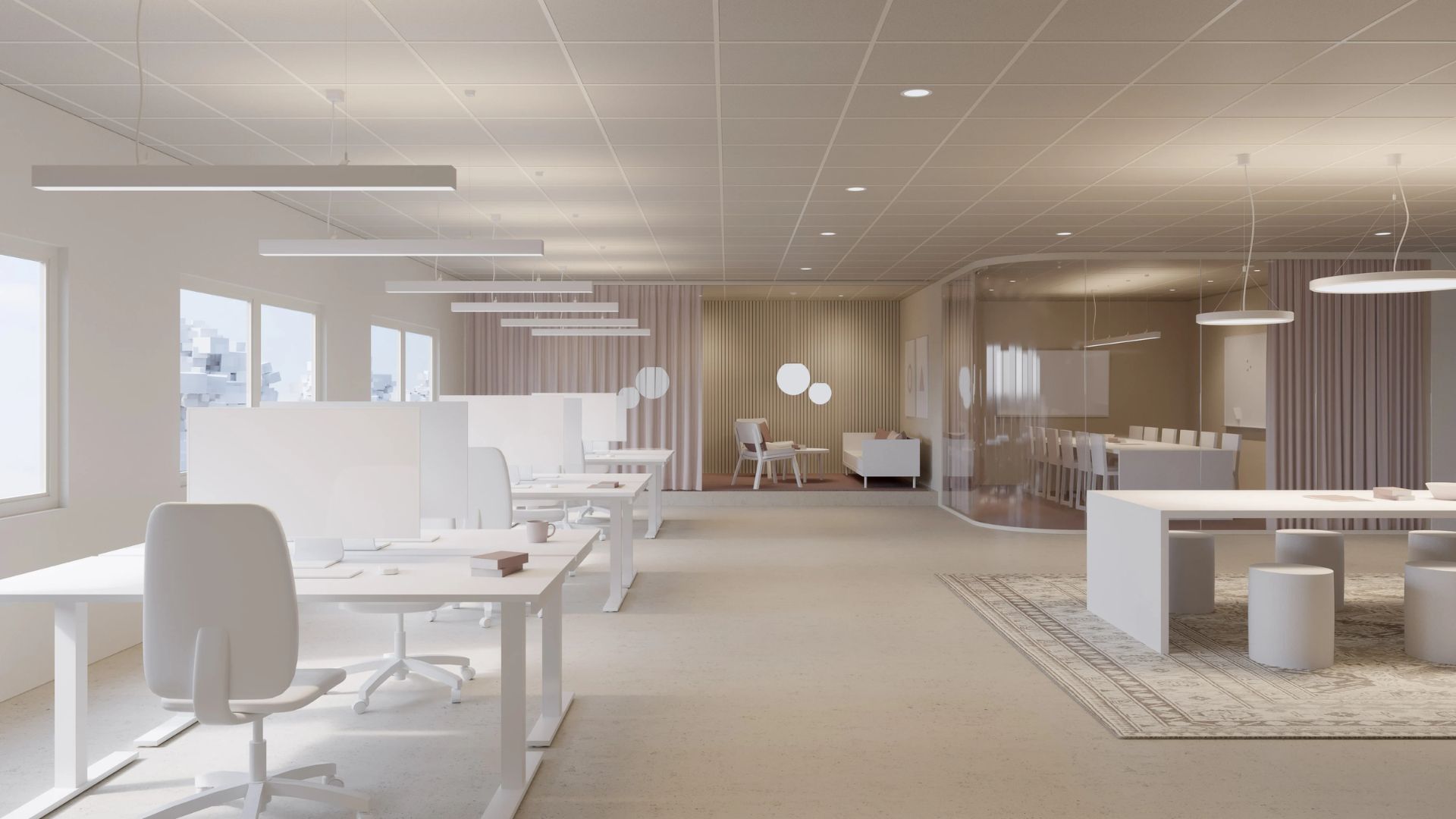
Lighting transcends its traditional role of mere illumination in modern, evolving work environments. Of course, providing the right light in the right places is still the core function, but it has also become a pivotal element in enhancing employee well-being, satisfaction, and productivity. Yet, a significant portion of the workforce remains dissatisfied with their current lighting conditions. A 2024 study by Ipsosrevealed that 32% of UK office workers are unhappy with their lighting, highlighting the need for increasingly innovative solutions. While another 2022 study by IEOM Society International found that 85% of employees strongly prefer natural light to be the dominant source of illumination in offices, and over 82% believe that access to natural light directly enhances their alertness, concentration, and productivity. This area was addressed by the groundbreaking Double Dynamic Lighting (DDL) study carried out, in collaboration with Fagerhult, at Aalborg University in Copenhagen. The results - by harmonising artificial lighting with natural daylight, and creating daylight-like effects, DDL creates dynamic, responsive environments that cater to human psychological needs, positively influencing visual comfort, naturalness, stimulation and leading to positive outcomes related to work engagement, motivation and concentration. Understanding Double Dynamic lighting (DDL) Double Dynamic Lighting is a design approach that integrates both direct and diffuse lighting, with colour temperature adapting in real-time to natural daylight variations. This method aims to replicate some of the characteristics and dynamic qualities of natural light within indoor spaces, enhancing the overall ambiance and functionality of the workplace. It’s not only about illumination levels but about creating lighting conditions that feel right to people. This includes changes in colour temperature over time and the balance between diffuse and focused light, both of which can have a significant psychological impact on how a space is perceived and experienced. Key features of DDL include: Dynamic adaptation: Lighting adjusts in response to external daylight conditions, ensuring optimal lighting conditions throughout the day. Enhanced visual comfort: The combination of direct and diffuse lighting helps deliver daylight-like effects, creating a comfortable visual environment. Work engagement, motivation and concentration: natural feeling, daylight-like effects delivered by DDL lead to positive psychological outcomes in the workplace. The research conducted at Aalborg University demonstrated that DDL positively influences employees' mood, concentration, and overall work engagement. Participants reported a more pleasant atmosphere and increased motivation when working under DDL conditions compared to static lighting setups. Going forward, Double Dynamic Lighting setups may also help us deliver better biological alignment in workplaces in line with the growing knowledge that human circadian rhythms can be positively supported by workplace lighting, potentially helping alertness during the day, relaxation in the evening, and deliver important health benefits. The science behind DDL The effectiveness of DDL lies in its ability to mimic the natural characteristics and progression of daylight. By adjusting colour temperatures, light intensities and the balance of direct and diffuse sources, DDL creates a dynamic environment that helps deliver natural-feeling workplaces. DDL's real-time responsiveness ensures that indoor lighting complements outdoor conditions. Whether the day is overcast, sunny, or anything in between, DDL can adjust the fundamental characteristics of indoor lighting to help provide lighting conditions that are, to all intents and purposes, naturally expected. Steve Shackleton, Lighting Application Manager at Fagerhult UK comments: “Human beings actually prefer daylight. We migrate to it if we get the chance. Double Dynamic Lighting lets you recreate just a bit of that, but it’s enough to completely change how a space feels. Try it. The effect is quite magical.” Implementing DDL in modern workspaces Fagerhult's DDL is not just a theoretical concept, it's a practical solution already enhancing workplaces worldwide. By integrating advanced sensors and control systems, DDL seamlessly adjusts lighting conditions to suit various tasks and activities. Key components of a DDL-enabled workspace include: Sensor Integration: Occupancy and daylight sensors monitor environmental conditions, informing lighting adjustments. Personalised Control: Employees can customise lighting settings to their preferences, enhancing comfort and productivity. Energy Efficiency: By closely aligning artificial lighting with natural daylight and the needs and whereabouts of building occupants, DDL can reduce energy consumption and support sustainability goals. Fagerhult's Control Track Versa system exemplifies this integration, offering modular lighting solutions that adapt to changing workspace needs. With features like adjustable luminaires and integrated sensors, it provides both flexibility and efficiency. Benefits beyond illumination Daylight-like lighting benefits extend beyond improved lighting conditions: Increased productivity: Comfortable and adaptable lighting environments can boost focus and efficiency. Sustainability: Optimised lighting and control reduce energy consumption, contributing to environmental conservation efforts. Employee satisfaction: Providing personal control over personal lighting preferences can lead to higher job satisfaction and retention rates. Enhanced well-being: Taken to its optimum, by aligning lighting with natural circadian rhythms, DDL can help support mental and physical health. One barrier to wider adoption is cost, though Steve is quick to challenge assumptions: “In the grand scheme of things, the benefits widely outweigh the costs. It’s not like the old days where tunable white lighting was double the cost. Today, we’re talking perhaps 20-30% extra. Not a great deal in a world where, as the BCO puts it, ‘it is becoming increasingly clear that there is a difference between office environments that are simply not harmful - that is the absence of bad - and environments that positively encourage health and wellbeing and stimulate productivity’”. He also points out the deeper value of the investment: “If you’re building a space for people and you know what helps them feel and perform better, can you justify not including it? Is it even sustainable NOT to include it?” Putting people first As workplaces shift to becoming more people-centric to meet the expectations of modern employees, lighting solutions must do the same. Fagerhult’s approach to Double Dynamic Lighting prioritises occupants and human well-being, as well as environmental sustainability and operational performance. By embracing DDL, organisations can transform their environments into dynamic, human-centric spaces that inspire, engage, and support. And it’s not just office workers who can benefit. In retail environments, where access to natural light is often limited by infrastructure, employees may spend 8–9 hours a day without any daylight exposure. DDL could help replicate the dynamic qualities of daylight, promoting a natural feeling environment, for better mood and comfort throughout the day. Similarly, in education settings, where focus, concentration, and cognitive performance are critical, DDL could create optimised, more stimulating classrooms that support both students and teachers. From corporate HQs to classrooms, and retail back-of-house to deep-plan floorplates, DDL isn’t just a lighting upgrade, it’s a shift toward environments that put people first.
NEWS ARTICLE |
Lighting for All: How Lighting Supports Universal Design
The spaces we design and build must serve the needs of everyone, regardless of age, background, or identity. This is the principle at the heart of Universal Design: a philosophy that seeks to create environments, products, and experiences that are intuitive, accessible, and welcoming for all, without the need for adaptation or specialised interventions. What is Universal Design? Universal Design, also known as Inclusive Design, is not just about compliance or accessibility, it’s about creating environments that work for everyone from the outset. Originating from architecture and product design, it has since evolved into a multidisciplinary framework that is now widely embraced by designers and urban planners worldwide. So, what role does lighting play? Whether in hospitals, schools, offices, or public buildings, lighting is more than a functional necessity. It shapes how people navigate, interact with, and feel within a space, which is why it’s a crucial element of Universal Design. From guiding movement and enhancing safety to creating comfort and supporting emotional wellbeing, lighting plays a pivotal role in making spaces inclusive for all. Research backs this up: lighting influences both the measurable (lux levels, colour rendering) and the experiential (mood, productivity). As noted in Applied Ergonomics[i], effective lighting supports both physical and psychological aspects, crucial for individuals with diverse sensory and visual needs. The Center for Universal Design (USA)[ii] outlines seven core principles that define Universal Design. These principles provide a valuable lens through which to consider how lighting impacts usability, comfort, and inclusion. The 7 Principles of Universal Design, and the Role of Lighting Equitable Use:Design is useful and marketable to people with diverse abilities. Good lighting ensures that everyone, from those with low vision to neurodiverse individuals, can perceive their surroundings safely and confidently. Uniform, glare-free illumination ensures no group is disadvantaged. Fagerhult’s DTI LED luminaires, for example, offer inclusive light levels and design aesthetics suitable for all users. DTI (Direct to Indirect) is a classic solution that covers the need for focused work and general lighting in the most varying environments. Direct light makes it easier to see and work, and indirect light defines the room, providing positive energy and making us feel good. Flexibility in Use: The design accommodates a wide range of individual preferences and abilities. Adjustability is key to inclusive lighting. Whether it’s dimmable fittings, tunable white colour temperatures, or presence-responsive control systems like Organic Response, adaptable lighting empowers individuals to tailor their environments to their personal needs, whether it be for concentration, calm, or visibility. Simple and Intuitive Use: Use of the design is easy to understand, regardless of the user's experience, knowledge, language skills, or current concentration level. Complex control systems can alienate users. That’s why intuitive interfaces and automatic lighting systems are important. Smart sensors that adjust to occupancy and daylight reduce the cognitive load, helping users navigate and use a space confidently, without unnecessary steps or stress. Perceptible Information: The design communicates necessary information effectively to the user, regardless of ambient conditions or the user's sensory abilities. Lighting enhances signage visibility, helps define spaces, and can highlight hazards or pathways. High-contrast lighting - such as illuminating doorways, stairs, and handrails - improves spatial awareness for people with visual or cognitive impairments. In retail or public settings, accent lighting can also guide attention and improve orientation. Tolerance for Error: The design minimises hazards and the adverse consequences of accidental or unintended actions. Glare, uneven lighting, and harsh shadows can lead to missteps or accidents, especially for older users or people with vision impairments. Consistent, diffuse lighting reduces risks and supports safe movement. In workplaces, corridors, and healthcare environments, Fagerhult’s Double Dynamic Lighting creates gentle transitions and minimises visual fatigue. Low Physical Effort: The design can be used efficiently and comfortably and with a minimum of fatigue. Lighting controls and switch placements must be reachable and easy to use. Automated lighting systems – such as Organic Response - that respond to motion or daylight reduce the need for manual interaction, which is ideal for users with limited mobility Size and Space for Approach and Use: Appropriate size and space is provided for approach, reach, manipulation, and use regardless of user's body size, posture, or mobility. Lighting should account for wheelchair users and people with walking aids by ensuring no obstructions from lighting infrastructure, for example low-hung pendants or poorly placed wall sconces. Equally, good lighting enhances spatial perception, making it easier for users to judge distances and avoid collisions. The Fagerhult Approach We design lighting systems that meet the practical demands of modern environments and support inclusivity. Our solutions support universal design through: Consistent, low-glare illumination Dynamic lighting that responds to time, use, and users Colour and contrast-aware design principles Controls that are intuitive and universally accessible We work closely with architects and lighting designers to integrate lighting strategies from concept to completion, ensuring every environment meets the diverse needs of its users. To discuss how Fagerhult can help you work within the seven principles of Universal Design, please get in touch. [i] https://www.sciencedirect.com/science/article/abs/pii/S0360132322008216 [ii] https://universaldesign.ie/about-universal-design/the-7-principles
NEWS ARTICLE |