

Related News
NEWS ARTICLE |
Lighting the Way: Creating Inclusive Retail Spaces
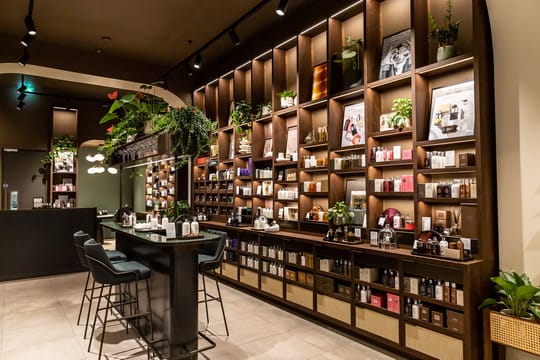
Dave Hughes, Head of Lighting Design at Fagerhult, shares his thoughts on how strategic lighting choices can enhance accessibility, comfort, and the overall shopping experience for everyone. Retail lighting has evolved far beyond its traditional role of simply illuminating spaces, products, or displays. Today, it plays a crucial part in shaping the overall shopping experience, creating an inviting, comfortable, and inclusive environment that works for both customers and staff, and showcases the products housed within. From a design perspective, truly inclusive retail spaces should not only reflect a brand’s identity and aesthetic but also enhance accessibility, wellbeing, and engagement. Thoughtfully designed lighting can make all the difference, influencing mood, navigation, and even purchasing decisions. To explore the role of lighting in fostering an inclusive retail experience, we spoke to Dave Hughes - Head of Lighting Design at Fagerhult - to gain his expert insights on how lighting can help transform retail spaces for everyone. Tell us a bit about your background. I’ve been with Fagerhult for just over eight years, primarily as a Retail Design Manager, and I recently stepped into the role of Head of Lighting Design. Before that, I spent over 11 years at iGuzzini, progressing from a Junior to a Senior Designer. I also have a background in product design, which definitely complements my current role. What does inclusivity mean for you, in your role? Inclusive lighting is about recognising and responding to the diverse needs of individuals, creating spaces that are welcoming, functional, and emotionally enriching for everyone. You can’t, therefore, take a one-size-fits-all approach, as what works for one person may not be suitable for another. What kinds of conditions do you take into account when considering lighting solutions for inclusive retail environments? We consider how lighting can best support a wide range of needs, from people with disabilities, people with health conditions, neurodivergent conditions, people with sight loss, as well as older customers. This is why there isn’t one, single recommended approach. For instance, someone with autism may prefer calm, low-light environments, while an older shopper may require higher light levels to read clearly. Balancing those needs in one space, like a busy bookstore, can be a challenge. We’ve worked on projects specifically aimed at supporting neurodiverse individuals, including those with autism. In one case for a major banking group, we collaborated with a charity to better understand the needs of autistic customers. We walked through a branch together, and they highlighted specific lighting triggers, such as areas that were too bright, high in contrast or glare, which could cause discomfort or distress. Based on their feedback, we provided tailored recommendations to help create a more supportive environment. It’s encouraging to see businesses increasingly aware of the diverse challenges customers may face and actively seeking ways to reduce those triggers through thoughtful design. What are the core principles you follow for inclusive lighting design? Reducing glare and avoiding high contrast is key. We advise a softer light scheme to avoid this. Sensory or breakout rooms are also starting to appear in retail spaces. These quiet, personalised spaces often feature adjustable lighting. They’re still relatively rare, but they can be a valuable addition for creating more inclusive and supportive environments. It pays to be aware that, in some cases, well-planned lighting schemes can be undermined during commissioning, for example when spotlights are repositioned to highlight a particular product without consideration for how that could impact the overall environment. What starts as a glare-free setup can quickly become uncomfortable if fixtures are aimed too sharply. Have technologies like control systems helped with inclusivity? Absolutely. Control systems have allowed far more flexibility. With digital lighting control systems like DALI or Casambi, you can customise environments more easily than with traditional mains voltage setups. Casambi offers wireless control via apps, making it easy to tweak lighting without rewiring, ideal for creating flexible retail spaces. These systems allow for more responsive, user-friendly environments, helping to make retail lighting both inclusive and efficient. How do you balance a brand’s aesthetic with inclusivity, comfort, and sustainability? It all has to be considered from the beginning. Too often, these essential considerations get brought into the conversation late, which makes integration harder. For inclusivity and brand aesthetics, it’s about compromise and prioritising the most critical needs for the environment you’re creating. At Fagerhult, we focus heavily on sustainability too, exploring new materials like hemp-based composites, and recycled aluminium in our fittings. What does the future look like for inclusive retail spaces? Creating inclusive retail environments is a balancing act, merging brand aesthetics, accessibility, sustainability, and comfort. Thoughtful lighting schemes play a crucial role, from reducing glare and contrast to enabling flexible, calming atmospheres for people with different sensory preferences. I’ve seen retailers now leveraging advanced technology to gain deeper insights into customer behaviour. With complete store mapping, a combination of cameras and sensors can be used to track movement throughout a space. One fascinating aspect of this technology is its ability to distinguish between staff and customers. By analysing movement patterns, the system can recognise individuals who spend extended periods in the store and automatically classify them as staff members. Though it doesn’t identify individuals personally, it can tag and follow a single person’s movements anonymously to build behavioural insights. Some stores have also integrated cameras into digital screens, adding another layer of data collection. These cameras can estimate a shopper’s age and gender in real time and link this information to heat mapping, allowing retailers to track how different demographics navigate the store. Additionally, facial expression analysis enables the system to gauge reactions to advertisements or displays, whether a person is engaged, indifferent, or even frowning. While this level of detail may seem daunting to some, it also opens up possibilities for enhancing the shopping experience, and could contribute to creating more inclusive environments. For example, if the system detects an elderly shopper, it could theoretically adjust lighting levels in their vicinity to improve visibility. However, implementing such personalised adjustments in a busy retail environment remains a significant challenge, and it’s not being commonly adopted – yet! This technology represents a powerful shift in retail analytics, offering opportunities for both businesses and customers, provided it is used ethically and with privacy in mind. While still early days, it’s a powerful reminder that the future of retail lighting isn’t just smart, it’s human-centred.
NEWS ARTICLE |
Experts in retail lighting: Tom Harries
Our focus on retail lighting and design requires a high level of expertise to ensure client satisfaction and to bring their visions to life. With fast-paced project timelines, retail lighting must be tailored to meet specific needs while ensuring full compliance with energy regulations and fulfilling aesthetical needs. We spoke to Tom Harries, Business Development Manager at Fagerhult, to explore how his specialised background supports our retail clients and how his approach goes beyond a typical sales strategy. From product design to lighting expertise Can you tell us about your background and how you ended up in your current role? I earned a degree in Product Design at Brunel University, where I had the opportunity to take part in a year-long lighting design course - the first time such a course had been offered at the university level – which involved designing a light fitting as part of my dissertation. Following that, I had a placement at Aktiva, a UK-based company which designs and manufactures contemporary lighting solutions, specialising in high-quality, bespoke light fittings. After graduating, I joined Fagerhult, as a lighting designer. Initially, I was focused purely on design, but I soon realised I enjoyed the customer-facing side of the role, which led me to transition into sales. Having a design background is quite rare in a sales role and allows me to bring a different perspective to the position. My experience allows me to focus on discussing the scheme with the client, exploring how we can enhance it, and considering how materials can look and feel in the space. It’s very much a collaborative conversation. Overcoming challenges in retail lighting design What are the biggest challenges in retail lighting design? The main challenge is pace—when you’re working on a store refit, everything has to happen incredibly fast. While office projects might take two to three years, retail projects often need to be turned around in as quickly as one month to get the store open as quickly as possible. There’s often only time for quick sketches and drawings, so you need to find ways to quickly bring those concepts to life. Another challenge is the bespoke nature of retail design. Each project must be unique, which I find rewarding. I enjoy finding creative solutions that balance both aesthetic and practical needs. From concept to completion What does a typical day look like for you? A big part of my work revolves around managing accounts like Frasers Group, which owns a wide range of brands, ranging from Sports Direct to high-end stores like Flannels and Frasers and those in between like Jack Wills and Sofa.com. I often attend pre-site meetings in empty buildings, collaborating with architects and clients to explore what is possible. Once the design concept is agreed upon, we work to ensure that everyone is aligned and satisfied with the results. I also deliver CPD presentations to retail design agencies, sharing our expertise and building trust in our ability to bring client's visions to life through effective lighting solutions. Bringing brands to life What aspect of your work do you enjoy the most? I love working on concept development—trying to understand what a brand is aiming to achieve and then figuring out how we can realise that vision in a way that is both practical and visually striking. Sometimes we are working with tight budgets, so part of the challenge is making sure the concept works for everyone involved. Working with twelve brands under the Frasers Group umbrella, each with their own unique requirements, keeps things interesting, and being their sole lighting supplier allows us to create tailored solutions that fit each brand’s identity perfectly. Which project are you most proud of? I’m particularly proud of two standout projects. The first is the Sports Direct flagship store on Oxford Street, a massive 50,000 sq. ft space spread across four floors. This project, part of a £10 million investment from the Frasers Group, took about a year to complete. We incorporated various Fagerhult products, alongside LED Linear and LTS, as well as bespoke elements like the curved LED feature around a custom stretched fabric lightbox. Another favourite is the Flannels flagship store in Liverpool. This 120,000 sq. ft, six-floor store includes unique custom features along with a fully controllable DMX external lighting scheme. The scheme, primarily Fagerhult with contributions from WE-EF, LED Linear, and LTS brands, creates a high-contrast, luxurious atmosphere. This project earned several awards, including the Drapers Award for Best Store Design and Creative Retail Award for Store Design of the Year. What makes Fagerhult stand out? What do you think clients appreciate about working with Fagerhult? Retail is a diverse sector, and our range of brands within the Fagerhult Group allows us to tailor products and solutions to various budgets and needs. From WE-EF to LED Linear, we can provide installations for both standard and bespoke luxury retail spaces. Our team of five in-house designers collaborates closely with clients to create high-quality, customised designs. We’ve also introduced Revvit, a software for creating 3D models that enhances collaborative planning, ensuring clear communication among architects, clients, and designers, which helps to effectively bring concepts to life. Tom Harries' journey from product design to business development highlights the significance of expertise and creativity in retail lighting. His blend of technical knowledge and customer-focused service enables Fagerhult to meet clients' evolving needs with innovative, sustainable solutions. Whether working on bespoke designs for luxury stores or rapid rollouts for high-street brands, Tom effectively bridges the gap between concept and execution, ensuring every project excels.
NEWS ARTICLE |