Can you really make money on sustainability?
“Of course! Some of the world’s most innovative companies make sustainability a central part of their strategy. And not because they’re paragons of virtue. They’re just being sensible rather than short-sighted.”
Per Grankvist is a trends analyst, writer and lecturer. He’s passionate about some of the key issues of our time: sustainability, ethics and social commitment at the private, political and professional levels. Viewing sustainability as a common-sense issue instead of a matter of policy and legislation makes it much easier to see what needs to be done and how to do it.
“We need to get away from all these silly abbreviations – CSR, ESG, GRI. They may sound impressive, but mostly they’re just confusing. If we want people and companies to understand what sustainability is all about, we need to explain it in a way that even my old mum would understand,” Grankvist says.
At the core it’s just plain common sense. It’s about getting back to how we used to act – up until around 100 years ago. It’s about conserving resources.
“We need to find a long-term sustainable way to take care of one another and our planet so it can support all of us. Sustainable development is about being able to make free choices now without robbing our children and grandchildren of that same opportunity.”
Conserving resources is everyone’s business. It’s something we’re all capable of, regardless of nationality or culture. Every time we use nature’s resources wisely, we save money. It’s about being sensible rather than short-sighted.
“Look at it this way: it’s great to have lights in the bathroom, but it’s wasteful to leave them on when you’re not there. So why not have lights controlled by motion sensors? That conserves your resources and saves money.”
Making money on sustainability is an abstract concept that seems hard to grasp. But making money on resources – physical and human – is easy. Every company wants to make money; that’s why they exist.
“Corporations are global, undemocratic organisations that are ruled by money. But consumers can make them listen through their buying power. When customers vote with their wallets, things start happening,” Grankvist says.
He puts the case of a certain global sports shoe manufacturer as an example. About 15 years ago, this company got into hot water when it emerged that their Indonesian supplier used child labour. Customers were not happy and started a boycott.
“It could have been one of the most ineffectual boycotts in history, but because the campaign went viral in the new social media, the company’s sales took a substantial hit. That made them get to grips with the issues in their supply chain.”
It’s a common misconception that prioritising sustainability is something companies do out of the goodness of their hearts.
“In much of northern Europe, particularly Scandinavia, we have a somewhat naive view of sustainability work. That you do it because it’s the right thing to do. Perhaps it’s a part of our Lutheran heritage, striving to be virtuous for virtue’s sake. But sensible companies see it as a way to make money.”
Grankvist describes how an international mining company brought that message home to him. “I met their marketing manager in New York, and she told me about their successful project to reduce the number of deaths in their mines. A very noble and worthy cause, I thought in my typical Swedish mindset. However, I soon felt foolish when she explained the company’s motivation: Digging a body out of the rubble takes days and costs a lot of money in terms of lost production time and unused equipment.”
Another example is an oil company replacing its pipelines to reduce the risk of leakage. Oil is simply too expensive to be leaked onto the tundra. The polar bears’ welfare is just an added bonus.
“If it’s possible to conserve resources whilst avoiding poisoning the world and still come in on budget – then of course we’ll do it!”
The US office furniture manufacturer Steelcase became a pioneer in its sector when it decided to clean up its textile dyes.
“They analysed every substance and slashed the list from 800 dyes to just 34 that were all environmentally defensible. As I recall, they were even edible, and still included every colour of the rainbow. They also consulted one of those famous Swiss analytical institutes and found that the local watercourses get less polluted when the dye process occurs upstream rather than downstream. Very smart!”
There are loads of examples like this. IKEA, famed for its flatpack furniture, switched to lightweight recyclable cardboard pallets instead of wooden ones, saving valuable volume and weight in transit. Then there was UPS, which redrew its delivery routes in New York so that its vans only make right turns.
“By eliminating left turns, you avoid idling at red lights, which saves time and minimises exhaust fumes. Not only can they deliver more parcels, they also save big money on fuel. So stop looking for ‘sustainability’ and ‘profitability’ solutions – if you look at resources instead, you’ll find all three!”
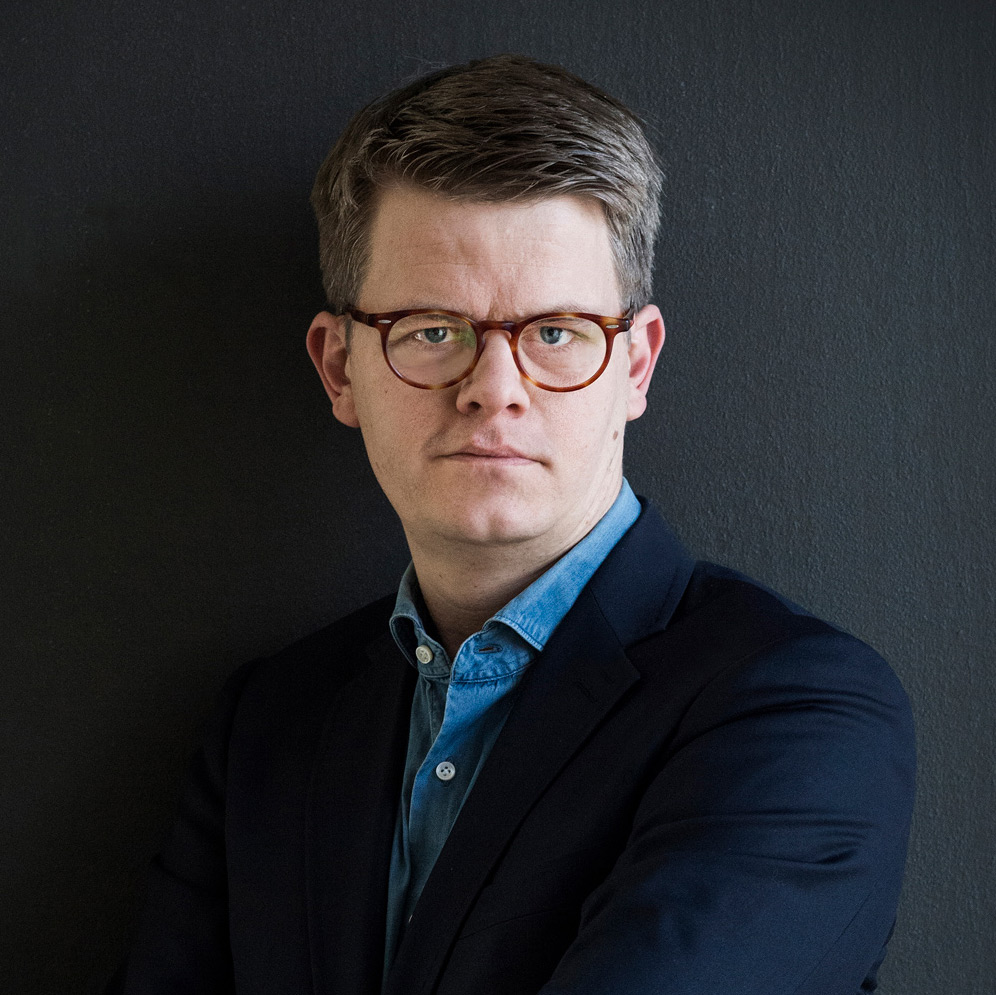 “If we want people and companies to understand what sustainability is all about, we need to explain it in a way that even my old mum would understand.” Per Grankvist, Swedish trends analyst specialising in sustainability issues
Sensible rather than short-sighted thinking has even become a key parameter of stock market analysis. Can the company turn a profit while conserving resources? Can it deliver what the customers want? Does it accept its social responsibility? If the answer is yes, the recommendation is: Buy! And if not – Sell!
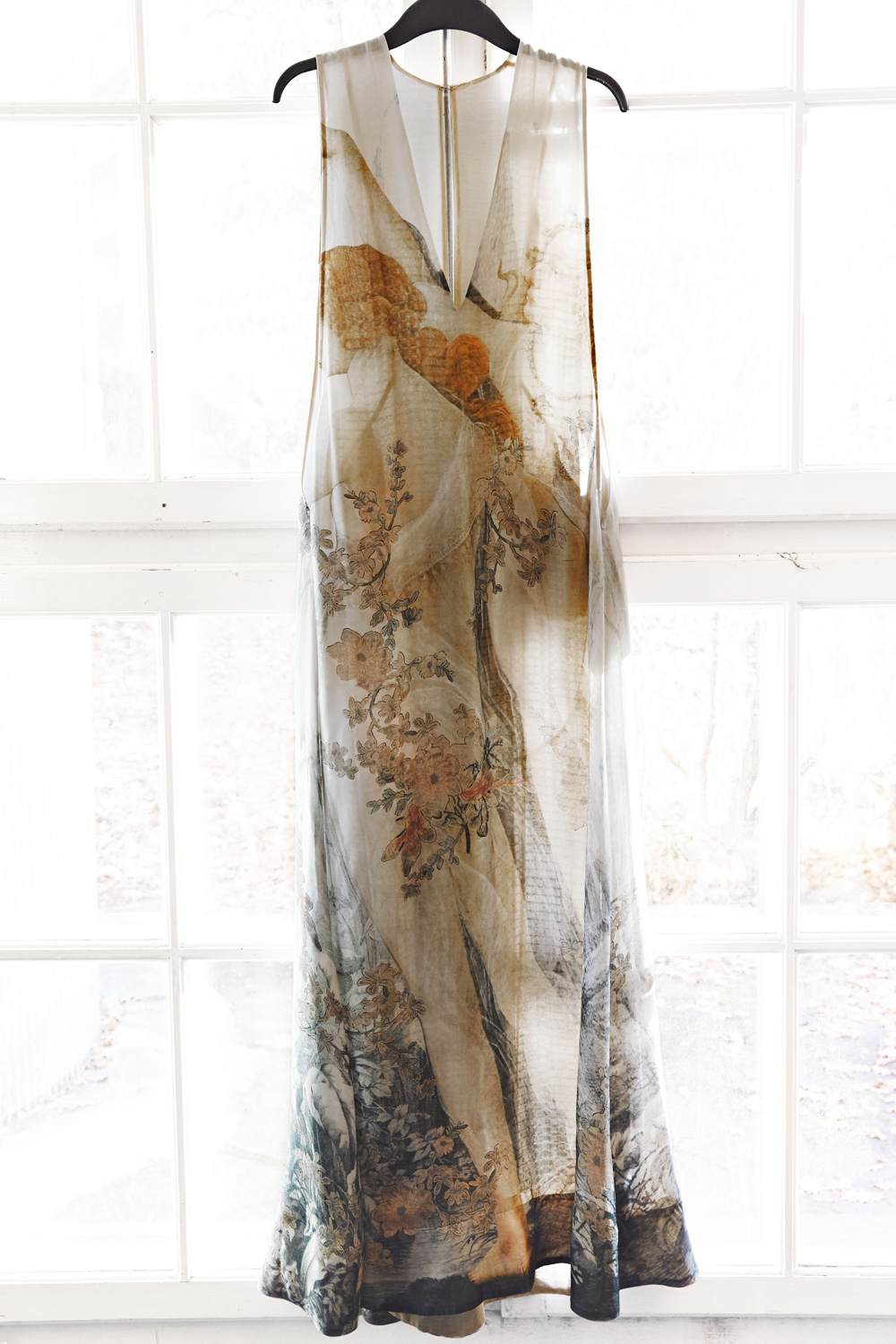
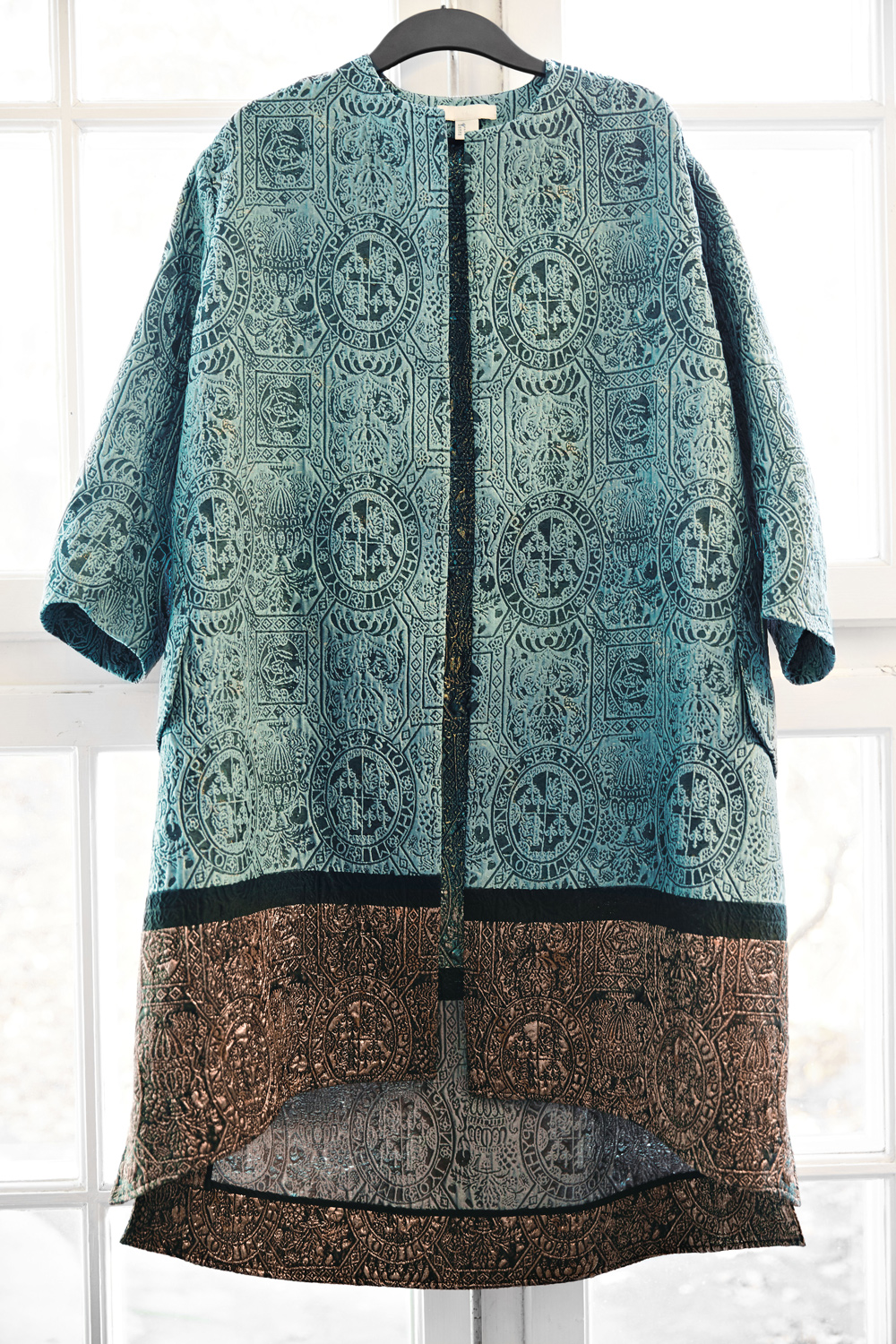
Sustainability has become a competitive advantage, an opportunity to meet the market’s demand in the long term. One company that embraced sustainability as an important part of its brand was the Swedish fashion giant H&M. With its sustainable Conscious Collection, H&M established itself as one of the most progressive fashion companies in the market. Film stars, royalty and ordinary people are all clamouring to wear the Conscious Collection.
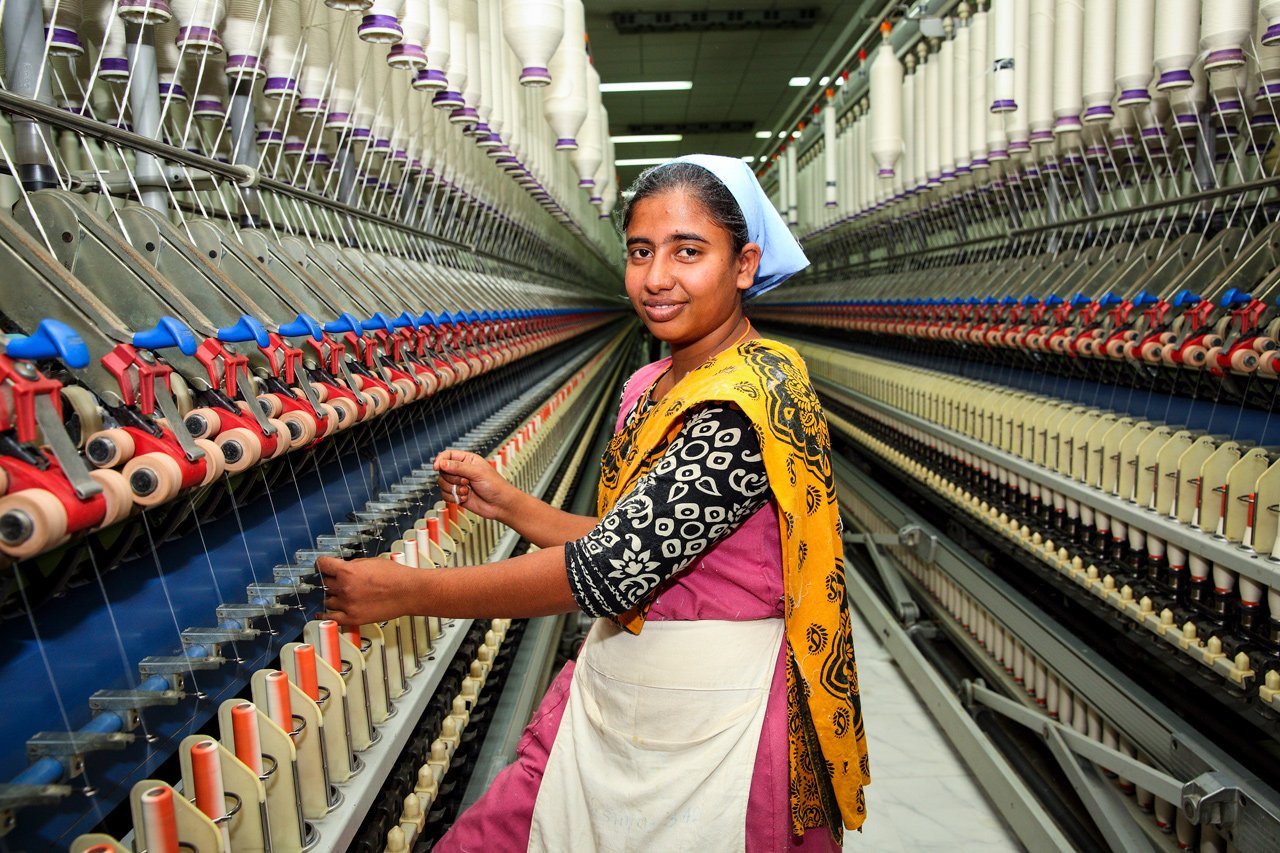
“Instead of overworked employees slaving in sweatshops, which is bound to negatively impact product quality, H&M ensure good working conditions from the start. The company learned from its previous mistakes. They changed their procedures and did it right. At first they just focused on having a sustainable collection – they forgot about being a fashion company. The trick, of course, was to combine high fashion with sustainable production. That’s when they hit the jackpot.”
Diversity is a much-vaunted word in companies’ CSR reports – but even this is all about resource management.
“It’s easy to reduce diversity to a focus on gender, ethnicity or age. But really, it’s about making the most of all the resources the company has. Consider language. Language is a unique resource. A company that can approach its customers in their own language will have a huge advantage in the global economy. At your local IKEA store, every employee wears a name badge with little flags indicating what languages they speak. It’s a lot easier to understand how to assemble your Billy shelves when it’s explained in your own language. Starbucks has a similar policy, where additional languages are seen as a bonus. The major banks have also started thinking along the same lines. How much better is it for customers to negotiate their home loans in a language they know? Diversity can always be converted into service, and service is money.
“The same thinking applies to diversity in the boardroom. Is it sensible to only have men on the board of a fashion company that manufactures and sells clothes for women? Or is it short-sighted?”
A company that works actively with its values and focuses on sustainability, and which integrates both into its brand, will be able to attract the very best staff. Assuming that it lives up to its values, of course.
“I don’t care if you have the most admirable values in the world emblazoned on the wall in your staff canteen. Your Code of Conduct means nothing until someone gets sacked,” Grankvist says.
If an employee is fired for visiting a brothel while on a business trip, it shows that the code of conduct is a force to be reckoned with. The alternative – playing down what happened or covering up the real reason the employee was fired – diminishes the code’s clout.
“If there’s one thing that makes companies take action, it’s when they mess up and lose business to their competitors. So there’s no question we’ll see companies step up. Politics is always local, but business is global. In the next 10 years, sustainability considerations will have a much greater impact on how companies do business than even the Internet has had. You can count on that.”
Related News

Cuando el material importa: Wrapped aporta una nueva visión de la iluminación sostenible
En un mundo donde cada gramo de material y cada gramo de dióxido de carbono cuenta, Wrapped emerge no solo como una luminaria - sino como una declaración de intenciones. Es la iluminaria suspendida más sostenible de Fagerhult hasta la fecha, y no es por casualidad. Cada detalle, cada decisión, cada material fue elegido a propósito. La sostenibilidad suele empezar con una simple pregunta: ¿De qué está hecho? Para Wrapped, la respuesta es un trío de materiales, cada uno con su propia historia medioambiental. Cartón compacto: un amigo conocido En Fagerhult, conocimos el cartón compacto en 2021 con Multilume Re:Think. Pero para Wrapped, hemos ido más allá. El material consta de tres capas: un núcleo 100 % reciclado, una capa superior renovable con certificación FSC y una fina película protectora de plástico. En total, un material reciclado en un 65 % y una reducción del 89 % de las emisiones de CO₂ en comparación con el aluminio extruido virgen. Galería de imágenes: Cartón compacto Wrapped está fabricada con cartón compacto orgánico, aluminio reciclado y plástico reciclado postconsumo. Reimaginar el plástico El plástico suele ser un tema candente en las conversaciones sobre sostenibilidad. Pero no todos los plásticos son iguales. Wrapped utiliza plástico reciclado postconsumo: del tipo que ha vivido una vida antes, quizá como bote de champú o envase de comida. En cambio, el plástico preconsumo es diferente, ya que nunca ha llegado a los lineales. Cita: Josefin Carlsson Aluminio con pasado En el interior de Wrapped, dos componentes estructurales están fabricados con aluminio 100 % reciclado postconsumo. Este material también forma parte de una infraestructura circular, e incluso puede haber formado parte alguna vez de una luminaria Notor. En comparación con el aluminio virgen, esta elección reduce las emisiones en un 83 %. Diseñar con menos: construido para durar Sin embargo, la sostenibilidad no consiste solo en lo que se usa, sino en cuánto. Con solo 900 mm, Wrapped es más corto que una luminaria suspendida convencional de 1200 mm. Esa reducción de tamaño por sí sola reduce el impacto climático en un 25 %, sin renunciar al rendimiento lumínico de la luminaria. Josefin Carlsson compara el impacto climático de los productos en el Centro de Experiencias de Fagerhult en Habo. Para entender la repercusión de Wrapped, es útil mirar dónde empezamos. En 2021, Notor 65 —fabricada con aluminio virgen— tuvo un impacto climático de 34 kg de CO₂e. En 2024, con un 75 % de aluminio reciclado, esa cifra se redujo a 25 kg de CO₂e. En la actualidad, Wrapped pesa unos 12 kg de CO₂e. «Eso es un tercio de la Notor 65 original y la mitad de la versión actual, y una revolución silenciosa, medida en kilogramos de CO₂e», afirma Josefin Carlsson. Tras su larga vida útil, estimada en 100 000 horas, Wrapped está lista para un adiós igualmente sostenible. Su diseño hace que sea fácil de desmontar, con cada material reciclable y preparado para su siguiente capítulo en la economía circular.
Cerramos el ciclo: y ampliamos el ciclo de vida de las luminarias
El concepto de reconstrucción de luminarias usadas para ahorrar material y energía está en auge. A veces, lo único que necesita una luminaria obsoleta para brillar de nuevo es un poco de cariño y capacidades de ingeniería. Quedamos con Emma Hallman, Mathilda Holl y Andreas Ekslätt, el equipo de ReLight de Fagerhult, para hablar sobre los desafíos de encontrar soluciones que llevarán las luminarias usadas al futuro. En Fagerhult, una cultura de la innovación profundamente arraigada influye en todos los aspectos del trabajo. Posiblemente, surge de la mentalidad del fundador Bertil Svensson de resolver problemas con medios a veces pequeños, y curiosidad y dedicación. A diferencia de lo que pasa hoy en día, la sostenibilidad puede no haber sido una palabra de moda por aquel entonces. Sin embargo, utilizar nuestros recursos de forma consciente y esforzarse por lograr una alta calidad siempre han sido los pilares de Fagerhult. Hoy en día, un nuevo enfoque sobre la circularidad nos ha instado a cuestionar nuestra forma de pensar y nos hace conscientes de la necesidad de encontrar soluciones duraderas El departamento de soluciones de iluminación a medida (BLS, por sus siglas en inglés) de Fagerhult ha desarrollado luminarias únicas y soluciones adaptadas durante muchos años. Por lo tanto, rehabilitar y actualizar las luminarias usadas es algo que nos resulta familiar. Sin embargo, la ambición de reutilizar y reconstruir luminarias usadas para reducir el impacto climático ha aumentado con el tiempo. En este proceso, el diseño y la tecnología de ayer se ponen al día con los avances de hoy para satisfacer los requisitos del mañana. Cita Haga que sus luminarias usadas se vuelvan a encender Para el equipo de ReLight de Fagerhult, no hay preguntas peculiares ni soluciones imposibles. A diario, gestionan consultas sobre soluciones de iluminación especialmente desarrolladas para proyectos de los mercados de Fagerhult. Es un proceso complejo, pero, con el tiempo, han aprendido que algunos proyectos son ideales para reutilizar luminarias usadas en lugar de invertir en otras nuevas. «Para nosotros, las cualidades de la luminaria en cuanto a comodidad, seguridad y estética de la iluminación son el núcleo de cada proyecto ReLight. También calculamos minuciosamente cuánto podemos reducir el impacto climático total de la luminaria a lo largo de su ciclo de vida, en caso de que se pueda reducir. Si se cumplen todos estos requisitos, comenzaremos a desarrollar y diseñar un nuevo kit», afirma Emma Hallman. En ReLight, existe una voluntad abierta de ahorrar materiales y energía, y hacer un esfuerzo medioambiental actualizando las luminarias. Sin embargo, no todas las luminarias usadas pueden vivir para siempre; algunas están obsoletas y es mejor reciclarlas que reacondicionarlas. Img «Si las circunstancias no cumplen con nuestros requisitos y no funciona para reacondicionar la luminaria, no dejaremos que el proyecto avance más. Nunca pondríamos en peligro la comodidad, calidad, seguridad o la expresión de la luminaria si no resulta en una solución final de primera clase», dice Emma Hallman. En Fagerhult, la seguridad y la calidad son los hilos conductores que unen todos los productos. Y ReLight no es una excepción. A lo largo del proceso, el marcado CE y los ensayos son factores cruciales. «Para garantizar la calidad general, no se deben montar piezas sueltas in situ. Queremos que el montaje sea lo más eficaz y rápido posible, y el nuevo kit encajará perfectamente con los orificios de tornillos antiguos. La unidad está lo más cerca posible de ser una luminaria completa», comenta Andreas Ekslätt.