
White Architects is one of the pioneers within BIM projects.
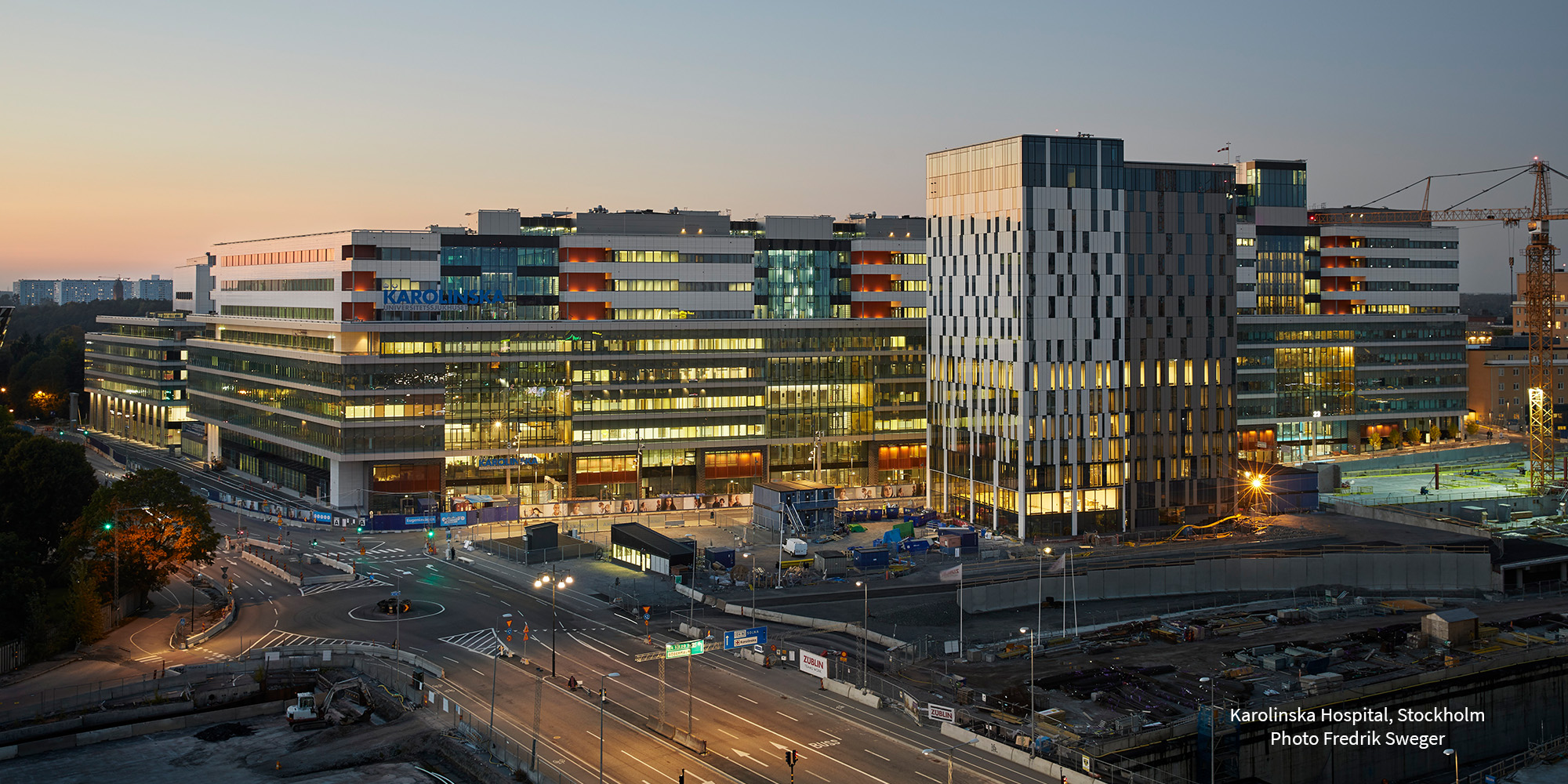
”It all began with the design of the new Karolinska hospital in Stockholm in 2010 – Europe’s most comprehensive hospital project so far. In collaboration with our colleagues at Tengbom Architects, we decided to work with BIM-models to increase the efficiency and quality of the project. In several ways, this project was the origin of the methodology that the industry now applies”, explains Christoffer Sundberg, building engineer and methodology manager specialized in Digital Design and BIM.
”As methodology manager, I focus on how we use digital solutions to ensure quality deliveries to our customers by using BIM models and objects. It’s all about functionality and how different technologies are used to maximize the customer benefit.”
White’s BIM-specialists are part of the company’s Digital Office organization.
The complete story
BIM is an important facilitator of the design process, says Christoffer.
”With BIM, we are able to visualize and work with information and not just geometries. The BIM-models also provide us with important data about size, materials energy consumption, daylight, shadows, GIS-maps and much more. It enables us to connect several disciplines within urban planning to create an incredibly detailed and reliable model that tells the entire story about the building project. For example, the model can provide information on how the new building will affect the green surfaces in the area or the daylight access in adjacent properties.”
At the moment, White often deliver models with more information than the customers require – but according to Christoffer, many customers have realized the possibilities and are constantly increasing their scope of specifications.
 "The BIM-models enables us to connect several disciplines within urban planning to create an incredibly detailed and reliable model that tells the entire story about the building project." Christoffer Sundberg, building engineer and methodology manager, White Architects
Visualization by gaming engines
Of course, lighting and luminaires play and important part in the BIM models created by White.
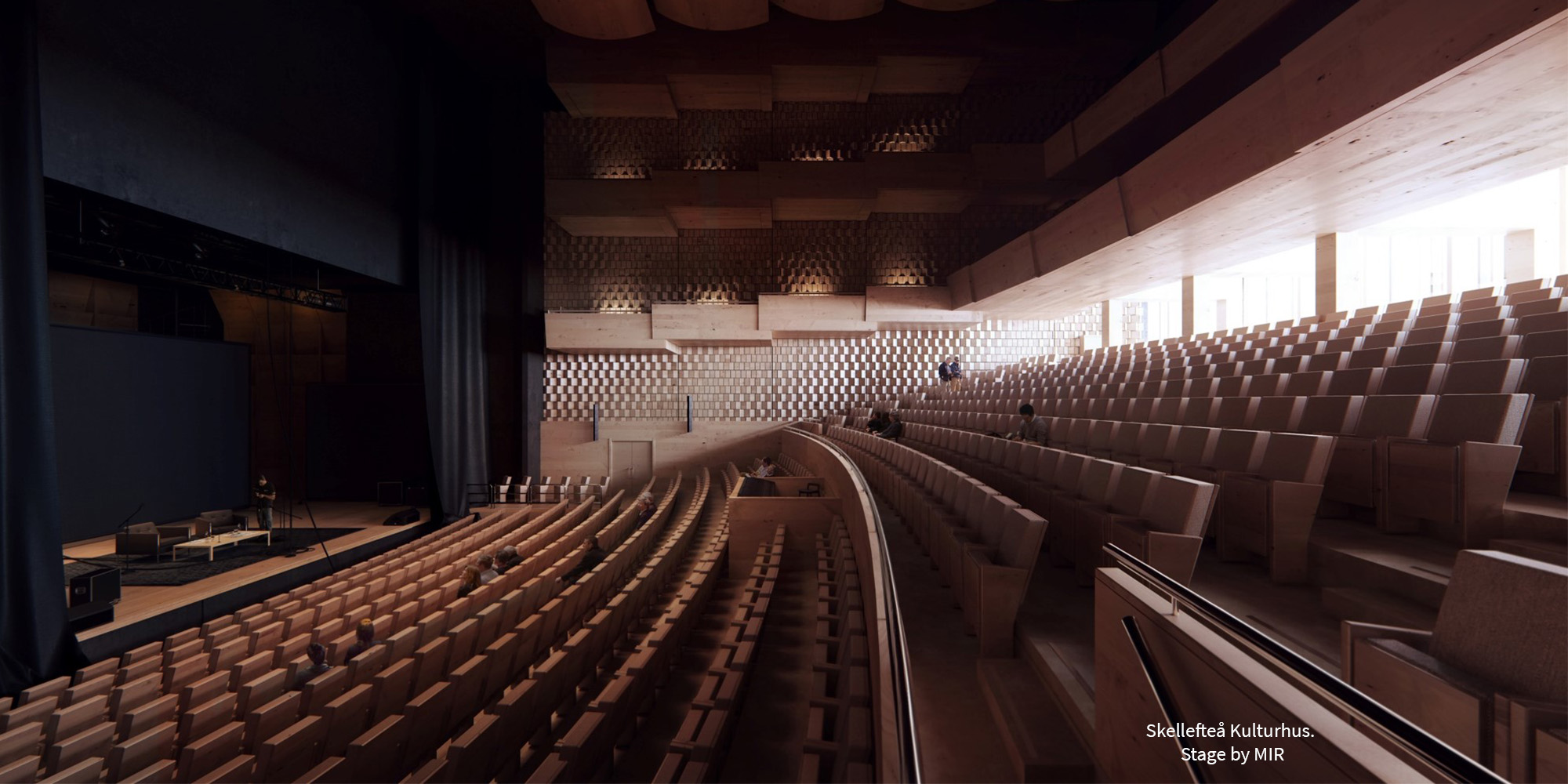
”We use luminaire BIM-objects to mark placements and to feed the model with practical and aesthetic information about volumes and installations. They also provide us with good information that can be linked to energy supply and consumption. Unfortunately, it’s hard to integrate the lightning calculations and scenarios into the actual BIM-model, but this is something we hope will happen in the near future. Today, renderings of light calculations are very capacity-consuming, but we are actually looking at the possibilities for our lighting designers to use gaming engines to be able to integrate light data into Revit. The game engines, such as Unity and Unreal, have the advantage of working with the graphics card instead of the processor, meaning much faster processing and visualizing”, Christoffer explains.
Open code – a revolution?
In the future, BIM models will have a great impact on how heavy projects are performed.
”We’ve already noticed that the number of physical drawings are decreasing. Instead, contractors choose to work directly with the BIM models. Building sites are equipped with digital BIM-stations with screens allowing construction workers on site to pick up the model and different objects for measuring and verifying the next step in their work.”
The next trend within BIM is accessibility. When a BIM-model can be stored in a cloud and accessed online, everyone involved gets the opportunity to work and see changes in real time.
”There is no limit for what a BIM-model can be or do – the different players of the industry have the power to choose direction. One of the more exciting initiatives right now is Autodesk’s decision to open up their software and launching the platform Forge, enabling other companies to connect their own tools and add-ins It's a great and really confident move that will impact the development in interesting ways!”